IN Brief:
- The autonomous Logic Pallet carries up to 2,000lb and operates for up to 160 hours.
- It supports storage, picking, consolidation, cross-docking, and vehicle-loading processes.
- LINK orchestration, item recognition, and weight-based counting provide real-time inventory control.
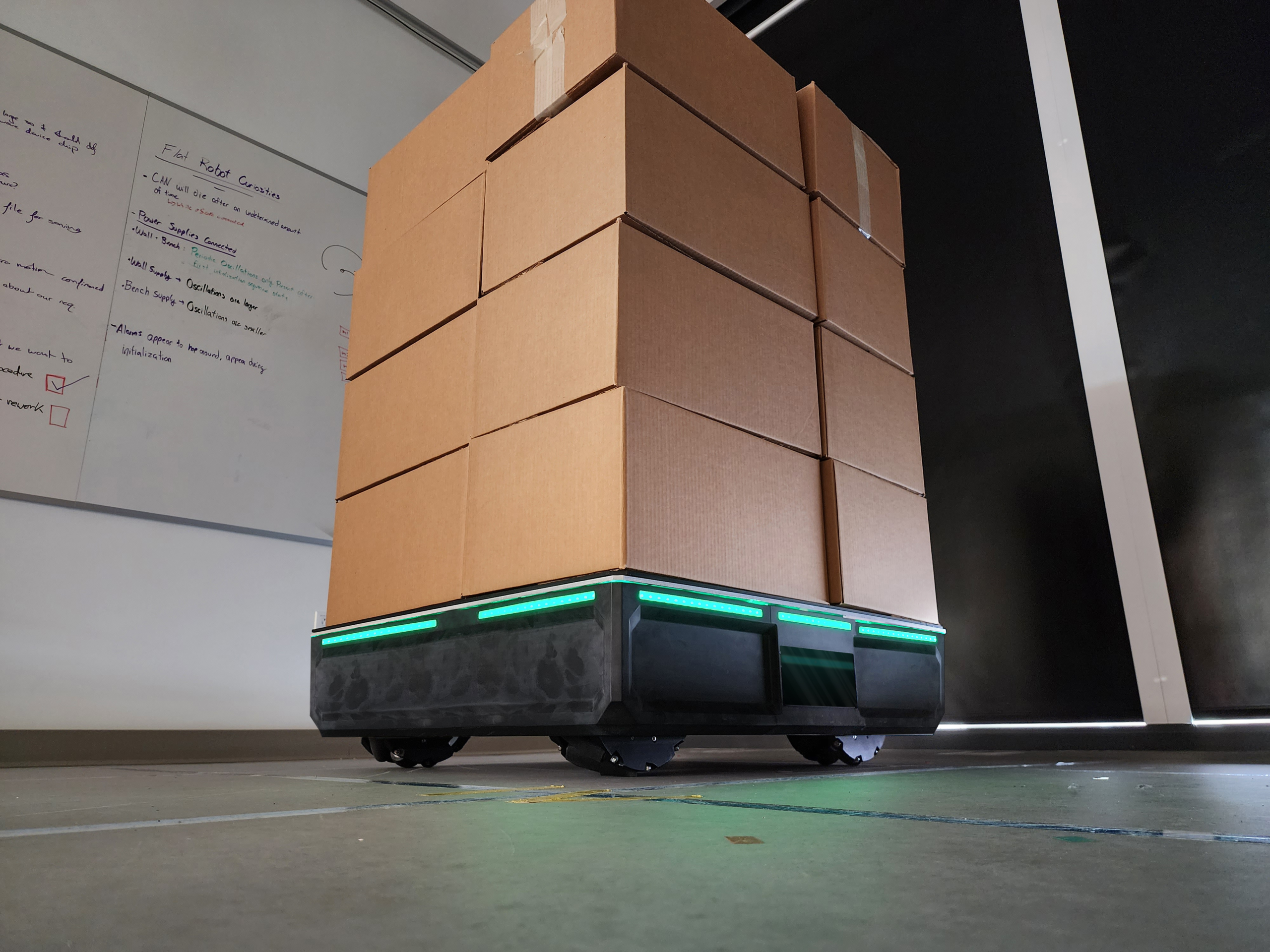
Logic Robotics is putting its autonomous Logic Pallet into production, combining transport, lifting, storage, inventory tracking, loading, and unloading within a powered 48-by-40-inch platform.
The US-built system carries up to 2,000lb, equivalent to approximately 907kg, and has a stated operating period of up to 160 hours. It is intended primarily for boxed food and consumer goods moving through receiving, storage, cross-docking, picking, and despatch.
Unlike a conventional wooden or plastic pallet, the Logic Pallet contains its own drive, navigation, lifting, control, and data systems. It can move autonomously between operational areas without requiring a forklift to complete every transfer.
The platform can also act as an in-facility shuttle beneath standard pallets, allowing businesses to retain existing load carriers where racking, products, handling equipment, or customers depend on established formats.
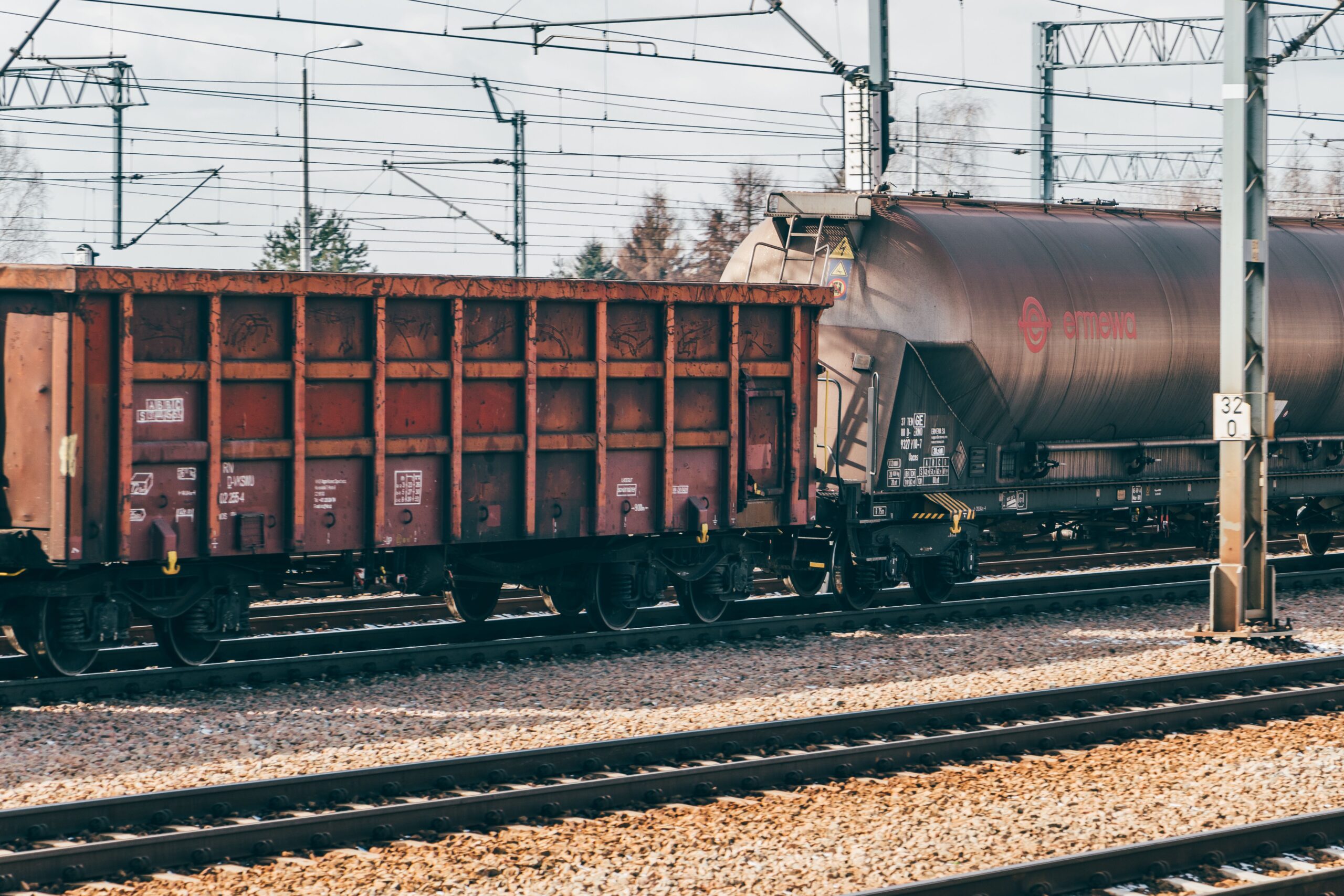
Logic has designed the unit for movement both within and between facilities, extending the automated workflow from origin through storage and vehicle transloading. The pallet therefore remains associated with the load for a larger proportion of the journey than a conventional mobile robot assigned to a single building.
Travelling at up to 2.2mph, or one metre per second, the platform is slower than an unrestricted forklift operating in open space. Its advantage lies in predictable autonomous movement without a driver, particularly across repetitive routes and densely configured storage areas.
LINK, Logic’s warehouse operating system, coordinates fleet missions and assigns storage and retrieval movements. The software is designed to use irregularly shaped spaces while supporting high-density configurations without conventional vehicle aisles.
The company states that an aisleless arrangement can provide up to three times the storage capacity of a traditional layout. Actual density will depend on building geometry, fire protection, throughput, access requirements, product mix, and the number of units required to retrieve loads without blocking others.
A weight-based inventory function supports cycle counting by comparing the measured load with item-master data. Product identity, weight, location, and movement history can then provide a continuously updated stock record as pallets travel through receiving, storage, picking, and despatch.
Packaging consistency will determine accuracy. Variable-weight food products, damaged cartons, mixed loads, packaging changes, and unrecorded manual handling can create differences between calculated and physical inventory, so the system will still require exception checks and disciplined master-data management.
The platform also supports consolidation and deconsolidation. Units can bring inbound loads to working areas, move completed orders to staging, and return remaining stock without waiting for a separate forklift assignment.
Cross-docking is among the more demanding applications because inbound cargo, destination, loading sequence, vehicle availability, and documentation must be known before physical movement begins. Automation can accelerate the transfer between doors, although it cannot compensate for missing data or an unavailable outbound trailer.
Logic’s current product information sets a target of returning trucks to the road within ten minutes or less. Achieving that cycle consistently would require close integration between transport bookings, dock scheduling, inventory status, and trailer-loading instructions.
The product enters a market where autonomous forklift and pallet-shuttle technologies are moving beyond heavily structured installations. ABB’s visual-SLAM autonomous forklift demonstrates how mobile equipment can navigate with less fixed infrastructure, while recent systems shown at LogiMAT and MODEX have pushed pallet shuttles towards denser and more adaptable storage.
Logic’s design combines elements of a pallet, shuttle, mobile robot, and inventory sensor. Removing several handovers can reduce handling time, although a low-cost load carrier becomes a powered asset that must be charged, maintained, tracked, recovered, and protected from damage.
Asset ownership becomes especially important when the pallet travels beyond a controlled building. Reusable networks already struggle with the loss and imbalance of conventional pallets, cages, totes, and containers; an autonomous platform carries far greater value and cannot remain indefinitely at customer sites.
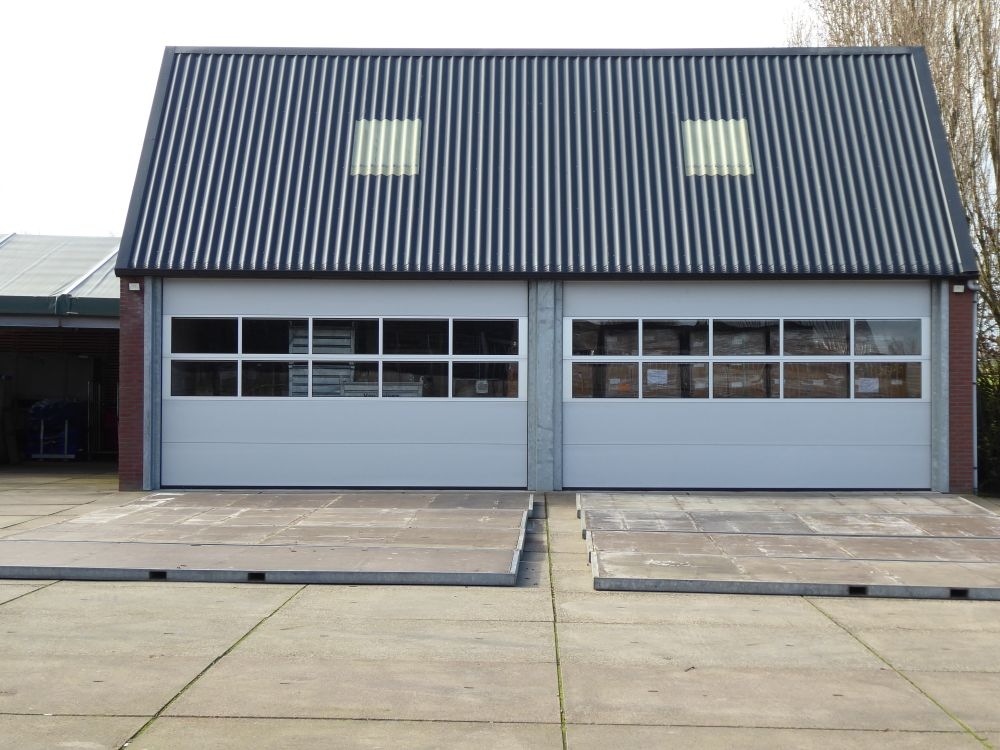
Vehicle and dock compatibility will also influence adoption. Trailers, ramps, dock levellers, floors, and loading procedures vary widely, so the platform must manage transitions without losing traction, stability, communication, or positional accuracy.
Food applications add hygiene and temperature requirements. The unit may encounter spills, chilled zones, freezer environments, washdown routines, packaging debris, and strict separation between raw and finished products.
Initial installations are likely to remain mixed environments where Logic Pallets work alongside conventional pallets, forklifts, conveyors, and manual processes. Traffic rules and transfer interfaces must prevent autonomous and manually driven equipment from competing for the same space.
The 160-hour operating period should reduce charging interruptions, although actual battery performance will vary with payload, travel distance, temperature, congestion, lift frequency, and idle time. Fleet software must schedule charging before energy constraints affect urgent missions.
The strongest application will combine high volume, repeatable flows, controlled destinations, and several handling stages that can be removed. Fragmented networks with irregular loads or uncontrolled external customers may find it harder to retain and utilise the asset through the complete journey.
Logic Robotics has expanded the pallet from a passive base into part of the handling system, inventory record, storage layout, and transport process. Commercial performance will depend on whether reductions in labour, aisles, errors, and dock time outweigh the cost and management demands of a powered fleet.