IN Brief:
- APM Terminals’ Valencia concession has been extended to 2049.
- The extension is linked to €10.4 million of investment in OPS shore power and Levante Quay upgrades.
- The package combines terminal decarbonisation with berth works aimed at handling larger vessels more effectively.
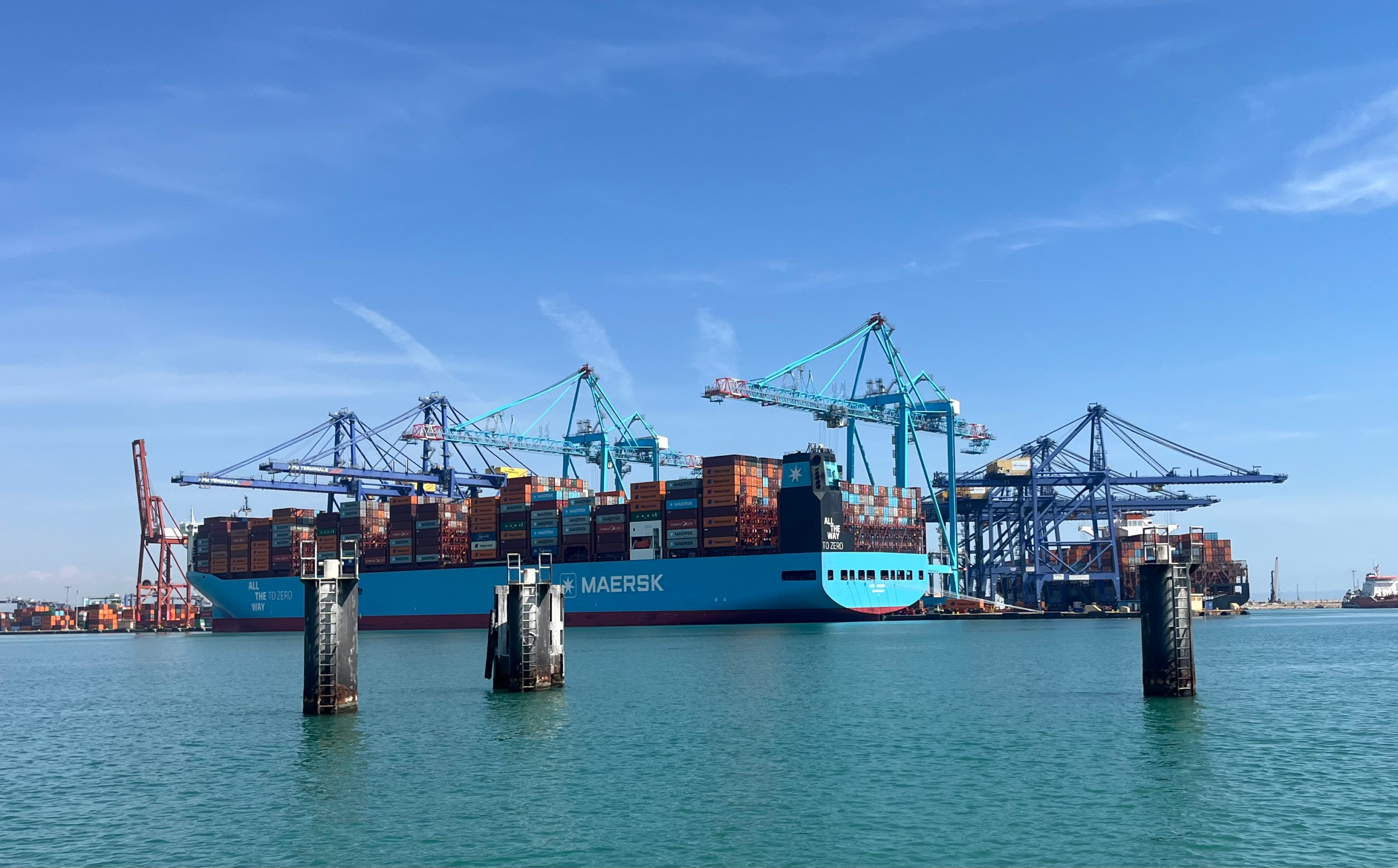
APM Terminals has secured an eight-year extension to its concession in Valencia, taking the term through to 2049 and linking the new period to a €10.4 million investment programme focused on shore power and berth upgrades. The approval was confirmed alongside wider board decisions at Valenciaport, with the spending aimed at improving terminal productivity, energy efficiency, and environmental performance.
The package centres on power infrastructure that will allow ships to connect to electricity at berth instead of running auxiliary engines while alongside. It also includes work to extend and upgrade fenders at Levante Quay so the terminal can better accommodate large vessels. The two strands of investment reflect the direction of travel in European ports, where environmental performance and physical capacity are increasingly being addressed in the same capital programme.
Concession extensions are often the mechanism that turns those plans into real projects. Shore power systems, electrical upgrades, and quay works are long-cycle investments that depend on a stable operating horizon. Operators need enough runway to justify the spend, align it with asset life, and absorb the slower returns that often come with decarbonisation infrastructure. Without that certainty, major projects are easier to postpone.
Valencia is an important setting for this kind of investment. Mediterranean terminals are competing on more than location and carrier calls. They are under pressure to improve emissions performance, support larger vessels, and sustain throughput in networks where port time, berth reliability, and infrastructure readiness all matter. Shore power is increasingly part of that baseline. It serves air-quality and emissions goals, but it also speaks to the broader modernisation of terminal infrastructure.
The commercial side is just as important. Large-vessel calls place demands on berths, quay equipment, yard planning, and landside coordination. Terminals that can adapt berth infrastructure while reducing emissions are likely to be in a stronger position as alliances and carriers continue to reshape service patterns across Europe and the Mediterranean. Capacity and compliance are no longer separate conversations in port investment. They are converging into the same set of engineering decisions.
For APM Terminals, the concession extension provides the operating certainty needed to put that spending into the ground. For Valencia, it supports a broader effort to keep the port competitive while aligning with changing environmental expectations. And for the sector more widely, it adds another example of how port infrastructure is being reworked around a combined agenda of larger ships, cleaner operations, and longer-term network resilience.