IN Brief:
- Laldia represents a $550 million investment in additional container capacity at Bangladesh’s principal maritime gateway.
- The terminal will add more than 800,000 TEU annually, supported by electric yard equipment and larger-vessel capability.
- Commissioning is targeted for 2030, with port productivity and inland connections determining how effectively the extra capacity reaches exporters.
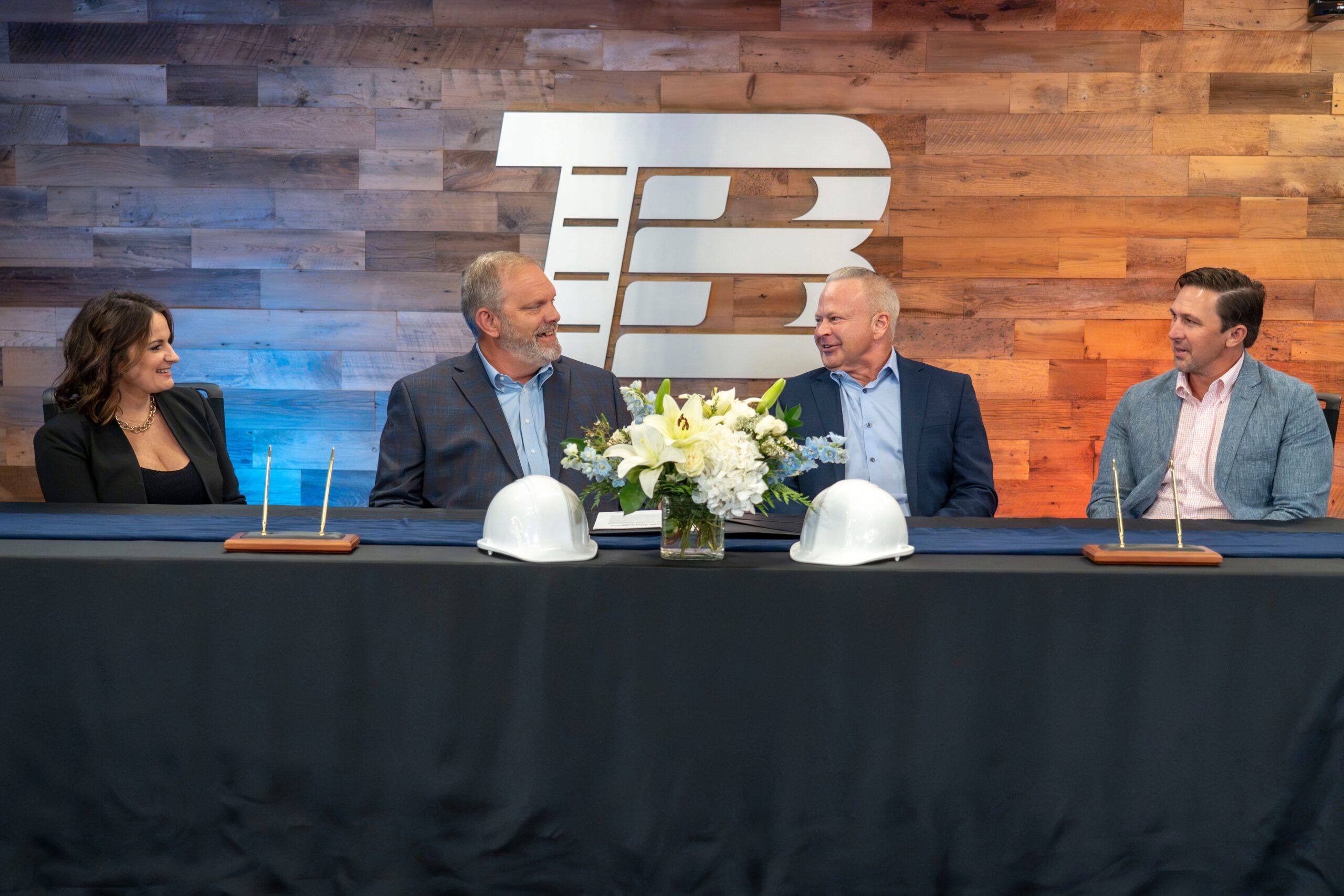
APM Terminals has started construction of the $550 million Laldia Container Terminal at Chattogram, advancing one of Bangladesh’s largest port public-private partnerships into physical delivery.
The greenfield terminal is being developed at Laldia Char on the Karnaphuli River and is expected to add more than 800,000 TEU of annual container-handling capacity. Bangladesh’s Public Private Partnership Authority has put the increase at about 44% of existing capacity, giving Chattogram additional room as container volumes and export traffic grow.
The project is being delivered with Chattogram Port Authority under a design, build, finance, operate, and transfer structure. APM Terminals is expected to operate the facility for 30 years after construction, while commissioning is targeted for 2030.
Planned marine infrastructure includes a 616-metre jetty capable of accommodating container vessels of up to around 6,000 TEU. Larger direct calls would increase the range of ships that can use Chattogram and could reduce some of the constraints associated with operating a major export gateway around comparatively small vessel sizes.
The cargo-handling specification is also heavily electrified. Current plans include seven ship-to-shore cranes, 32 electric rubber-tyred gantry cranes, and 41 electric terminal tractors, alongside solar generation and shore-power-ready infrastructure. Remote crane operation is also planned.
Those systems will have to operate as a single terminal rather than as isolated equipment upgrades. Quay productivity, yard density, equipment availability, gate performance, customs processing, and inland transport determine whether nominal berth capacity produces faster cargo flows or simply shifts congestion from one part of the port to another.
Laldia follows a broader attempt to attract more private capital into Bangladesh’s logistics infrastructure. Proposals around Chattogram include greater private participation in terminals, inland container depots, off-dock facilities, customs-linked storage, and free-trade zones as the country tries to align logistics capacity more closely with its export base.
The timing is particularly relevant to Bangladesh’s manufacturing economy. Ready-made garments remain dominant in merchandise exports, while pharmaceuticals, electronics, and engineered goods place additional demands on shipment reliability, customs processing, and handling quality. Exporters working to fixed retail or production schedules can absorb only limited uncertainty around vessel cut-offs and departure dates.
More terminal capacity should provide additional operating headroom, but throughput alone will not resolve those constraints. Larger vessels require suitable channel and berth access, while additional containers need enough truck, rail, depot, and warehouse capacity once they leave the terminal. Congestion outside the gate can erode much of the value created by faster ship handling.
The inland interface will therefore be central to Laldia’s commercial performance. Chattogram already concentrates a large share of Bangladesh’s international cargo, and increasing marine capacity around the same gateway raises the volume that surrounding road and logistics infrastructure may have to absorb.
For carriers, the ability to deploy larger ships can improve slot economics and service design where cargo volumes justify them. For exporters, the more immediate benefit would be greater schedule choice and more reliable access to capacity during peak periods, particularly if the new terminal can maintain consistent crane, yard, and gate performance.
The investment also gives APM Terminals a long-term operating position in a market where container infrastructure has struggled to expand at the pace of trade. Its international terminal network provides established operating systems, equipment practices, and carrier interfaces, although local execution will determine whether those capabilities translate cleanly into Chattogram.
Construction leaves several years of delivery work ahead. Civil engineering, equipment procurement, power infrastructure, digital systems, workforce preparation, and terminal commissioning all have to be completed before the first commercial vessel can use the facility.
The project also has to be integrated with a port that remains operational throughout construction. Sequencing works around existing marine traffic, maintaining navigation access, and preparing landside connections will be as important as installing cranes on the finished quay.
Electrification adds another layer to that programme. Electric terminal tractors and yard cranes reduce direct diesel use during cargo handling, but they increase dependence on resilient electrical distribution, charging infrastructure, control systems, and maintenance capability. Solar generation can contribute to the terminal’s energy mix, while shore-power readiness creates the option for suitably equipped vessels to connect to electricity at berth.
The eventual emissions benefit will depend on utilisation, electricity supply, equipment duty cycles, and whether shore power is adopted by visiting ships. Even so, designing the terminal around electric handling equipment from the outset avoids the more complicated task of replacing a large diesel fleet after operations have begun.
Laldia is now beyond the point at which concession terms and capacity forecasts are the only measures available. Ground works, marine construction, equipment delivery, and commissioning will provide a clearer test of progress towards the 2030 target.
Bangladesh has spent years trying to close the gap between a large export manufacturing base and the infrastructure moving its goods. Laldia puts $550 million of capital behind that objective. The harder test begins after construction starts: delivering the terminal on time and ensuring the road, customs, depot, and distribution systems around it can absorb the capacity once the cranes begin moving boxes.