IN Brief:
- Axpo supplied a container vessel with an LNG blend containing more than 50% bio-LNG at Valencia on 13 October 2026.
- The transfer was conducted by Alisios, a bunkering vessel with 12,500 cubic metres of storage capacity, not a disclosed fuel-delivery volume.
- Valencia becomes Axpo’s fourth Spanish LNG bunkering port after Málaga, Algeciras and Barcelona.
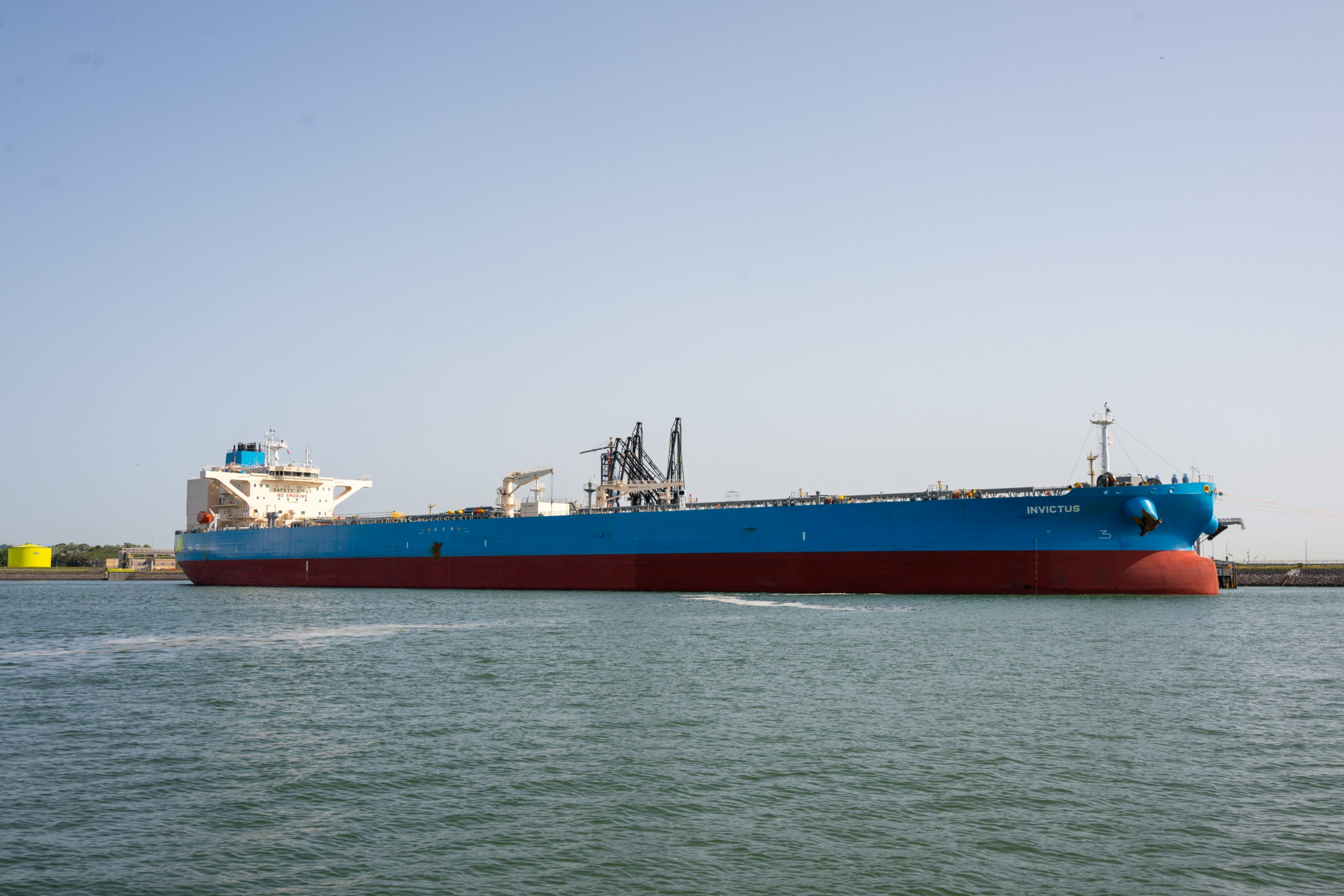
Axpo has completed its first liquefied natural gas bunkering operation at the Port of Valencia, supplying a container vessel with a fuel blend containing more than 50% bio-LNG. The ship-to-ship transfer took place on 13 October 2026 using Alisios, a bunkering vessel operated by the Swiss energy company. Valencia is now the fourth Spanish port where Axpo has carried out LNG refuelling, extending an established service that previously covered Málaga, Algeciras and Barcelona.
Axpo has not identified the receiving container ship or its operator, nor has the company stated how much fuel was transferred. The bunkering vessel Alisios can carry 12,500 cubic metres of LNG, but its storage capacity is not a measure of what the container ship received on 13 October. In reporting the new service at Valencia, that distinction prevents a vessel specification from being mistaken for cargo throughput. No minimum annual delivery commitment or long-term supply contract with the unnamed customer was announced.
In a ship-to-ship bunkering operation, a specialised supply vessel moves alongside an LNG-fuelled ship and connects cryogenic transfer equipment. LNG must be kept cold enough to remain liquid, so transfer procedures account for pressure control, hose connections, emergency shutdown systems and an agreed safety area. The receiving ship must have compatible tanks and fuel equipment, and the port must authorise the movement. Axpo’s completed Valencia transfer confirms operational activity at that port, although the company has not reported the transfer duration, flow rate or berth.
Bio-LNG is liquefied methane produced from organic feedstocks, including agricultural residues and waste. It can enter fuel systems designed for LNG, but the emissions attributed to a particular consignment depend on its feedstock, production energy, methane leakage and certification method. Axpo says renewable bio-LNG accounted for more than half of the fuel delivered at Valencia. It has not disclosed a transaction-specific lifecycle emissions calculation, the associated certification documentation or the final delivery volume. A precise greenhouse gas saving for this operation therefore cannot be calculated from the release.
Alisios entered service in March 2026 at Huelva in south-western Spain. A mobile bunkering vessel can serve several ports without requiring a dedicated LNG transfer system at every container berth, although each operation still needs a suitable location, fuel inventory and authorisation. Axpo operates the 12,500-cubic-metre vessel along the Iberian coast. Its presence does not guarantee that a receiving ship can obtain fuel on any requested day: schedules, berth access and deliveries must be coordinated with existing cargo and passenger movements.
Axpo began LNG bunkering in Málaga in April 2025 and subsequently completed operations at Algeciras and Barcelona, alongside Sines in Portugal. Valencia is the fourth Spanish port in that record, rather than the fourth port across the whole Iberian network. Daniele Corti, Axpo’s Head of Small-Scale LNG, identified Valencia’s container traffic as a reason for expanding the service. No named shipping line, annual refuelling schedule or expected Valencia volume accompanies that announcement.
The company has also conducted maritime LNG operations in Italy. Axpo and ferry operator GNV completed a bio-LNG ship-to-ship delivery in Genoa in December 2025, while further operations followed at Naples in May 2026 and Civitavecchia in August. Those activities used an Italian bunkering operation distinct from Alisios’s Spanish service. The record establishes experience with different ports and receiving vessel types but does not indicate how frequently the Valencia operation will be repeated.
A container line using LNG propulsion must coordinate its fuel stops with route length, cargo handling time and the availability of a compatible bunker vessel. A bio-LNG component may also affect the operator’s fuel accounting, provided its origin and environmental attributes can be documented. The physical compatibility of the blend does not itself demonstrate a defined lifecycle carbon reduction. Ship operators must still assess fuel consumption, engine performance, upstream emissions and any methane released during the fuel chain.
Alternative maritime fuels include renewable methane, methanol and emerging ammonia pathways, while electrification has a role in suitable shorter routes and auxiliary systems. Fossil LNG can reduce some local air pollutants relative to conventional marine oils, but its overall climate performance depends partly on methane slip from engines and upstream infrastructure. The renewable share reported for the Valencia transfer could change the calculation, but Axpo has not provided an independently verified result for this particular shipment. The receiving vessel’s propulsion equipment is not described as modified.
Valencia has now been added to Axpo’s Spanish LNG bunkering network through a completed ship-to-ship delivery. Its measurable milestones are the 13 October 2026 transfer, a fuel mix containing more than 50% bio-LNG and the use of Alisios, which has a 12,500-cubic-metre storage capacity. Future volumes, repeat customer calls and verified renewable fuel accounting would establish whether the service develops beyond its inaugural operation. Axpo has supplied no forecast for those measures.