IN Brief:
- Flooding is affecting road access and container movements across Bangkok, particularly in eastern districts.
- Rail connectivity between ICD Lat Krabang and Laem Chabang Port is also disrupted.
- Further thunderstorms could prolong pickup, delivery, terminal gate, and equipment return delays.
Severe flooding across Bangkok is disrupting road, rail, and container movements, with Kuehne+Nagel warning of longer collection, delivery, terminal gate, and container return times as water affects key logistics corridors in and around the Thai capital.
The logistics group said the disruption is affecting road access and container movements as well as rail connectivity between ICD Lat Krabang and Laem Chabang Port. The eastern Bangkok districts of Lat Krabang, Prawet, and Bang Kapi have been among the locations hit after exceptionally heavy rainfall, with around 300mm reported over 48 hours during Thursday and Friday.
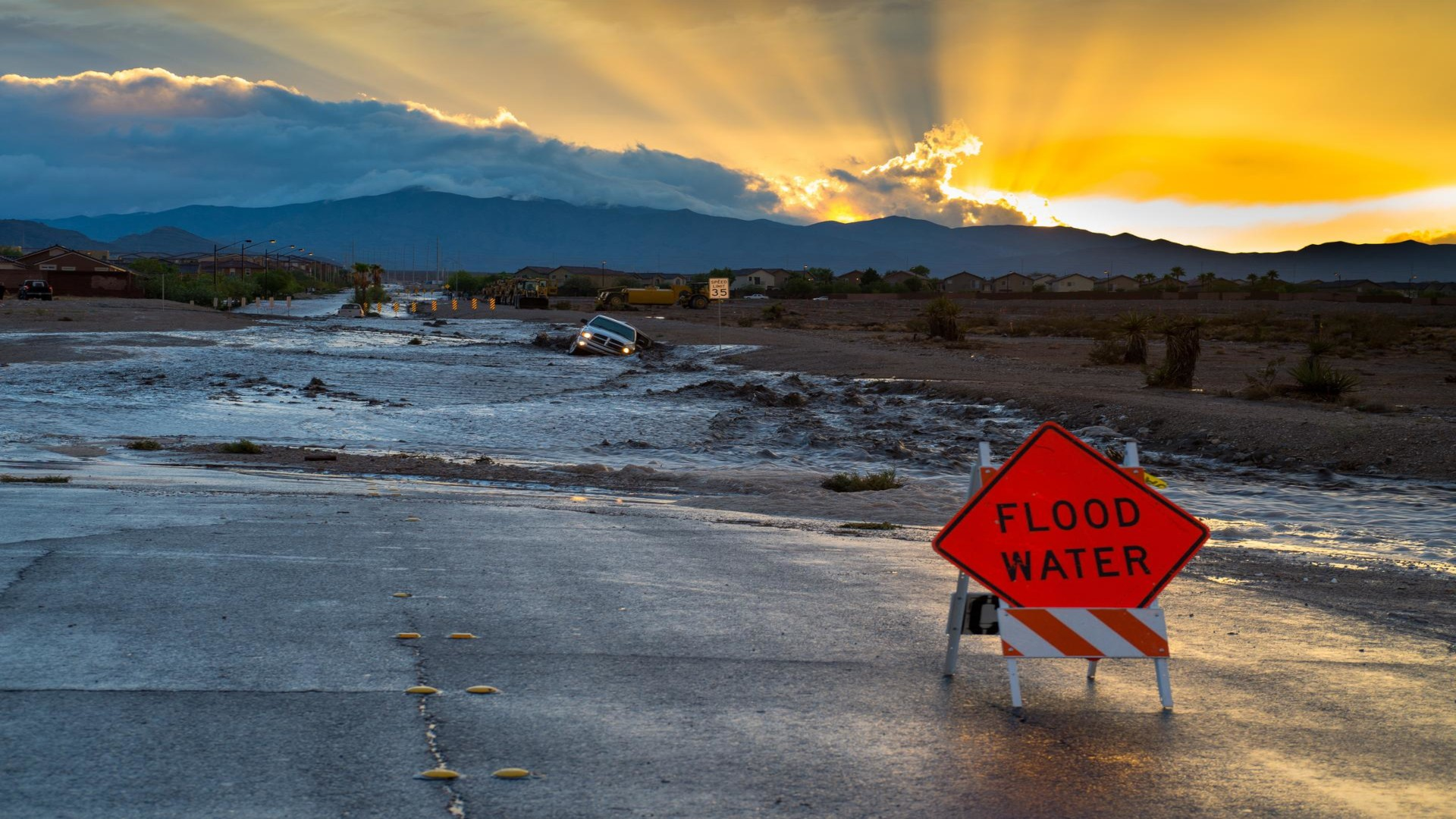
Floodwater has reached around 60cm in some areas, while submerged roads and vehicles have contributed to severe congestion and longer journey times. Authorities have extended the flood disaster declaration across all 50 Bangkok districts, and further thunderstorms could add to the disruption. Kuehne+Nagel has advised customers to expect longer lead times around pickup, delivery, and container handling while conditions remain unstable.
Lat Krabang is an important inland container node linking Bangkok’s industrial and consumption centres with Thailand’s main container gateway at Laem Chabang. When road access and rail connectivity are degraded at the same time, containers can miss terminal cut-offs, empty equipment can remain in the wrong place, and collection schedules can become harder to recover even after individual roads reopen.
Delayed import collections can push delivery appointments back at factories and distribution centres. Exporters face the reverse problem, particularly where cargo must reach the port inside a fixed gate window for a booked vessel. A few hours of road disruption can therefore become a multi-day problem if a container misses its planned sailing and has to be rebooked.
Rail can provide an alternative to road on some container flows between inland terminals and ports, but modal diversity does not remove weather risk. Where flooding affects access to the inland terminal or interrupts rail connectivity itself, operators can lose both the primary route and its usual contingency at the same time. Recovery then depends on available truck capacity, terminal operating conditions, and the ability of carriers to accept revised bookings.
Container equipment management adds another constraint. Import boxes must be collected, unloaded, and returned within agreed periods, while exporters need empty equipment positioned before loading. Longer round trips reduce the effective productivity of trucks and drivers and can leave containers circulating more slowly through depots and terminals, increasing uncertainty around lead times even when nominal transport capacity remains available.
The flooding can constrain international freight even when port operations continue. Vessels may still be working and terminal capacity may remain technically open, yet inland access can prevent cargo from reaching the quay. For tightly scheduled inbound components or time-sensitive exports, visibility into road conditions and terminal status becomes as important as the ocean schedule itself.
Kuehne+Nagel is directing customers to its sea freight alert tools for current port and vessel information. Live operational monitoring is particularly useful in this type of disruption because conditions can differ by district, terminal, road, and mode, making city-wide alerts too broad for individual shipment decisions.
Nominal capacity can remain available while usable throughput falls. A terminal may technically have space, a rail service may be scheduled, and trucks may be available, but the network still loses effective capacity when access roads are flooded or vehicles cannot complete their normal number of turns. Delays then accumulate across collection points, inland terminals, depots, and port gates rather than remaining at the original flooded location.
Recovery will depend on sequencing as much as reopening. Containers closest to vessel cut-offs, urgent factory inputs, and equipment needed for subsequent loads may all compete for the same restored road and rail capacity. Operators that can see where cargo, vehicles, and empty equipment are located will be better placed to rebuild schedules once individual corridors become passable again.
The immediate operational priority is likely to be protecting booked export movements, prioritising time-sensitive imports, and avoiding unnecessary container moves through the worst affected areas. Once water levels fall, congestion can persist as delayed collections and returns are worked through, particularly if trucks, chassis, and drivers have accumulated on the wrong side of blocked routes.
Further rainfall remains the main variable. If access to Lat Krabang and the corridor towards Laem Chabang improves quickly, operators can begin clearing the backlog within existing networks. Continued storms would extend the period in which road and rail schedules remain unreliable, increasing the likelihood of missed vessel connections and further pressure on container availability across Bangkok’s freight system.