IN Brief:
- Bangladesh and China Exim Bank signed a $335.78m Mongla Port loan on 10 October.
- Planned works include two equipped container terminals, container delivery areas and cargo-handling yards.
- A separate Pashur Channel dredging programme is intended to improve navigational access to the port.
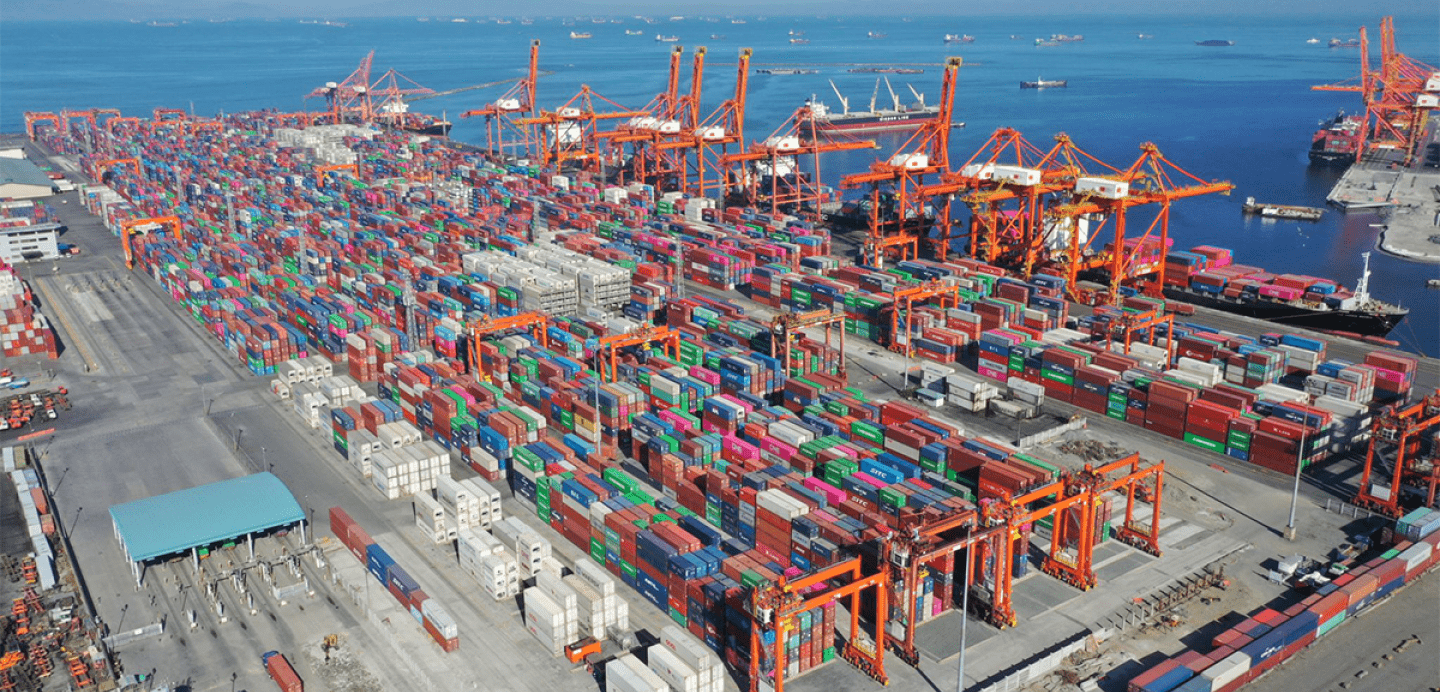
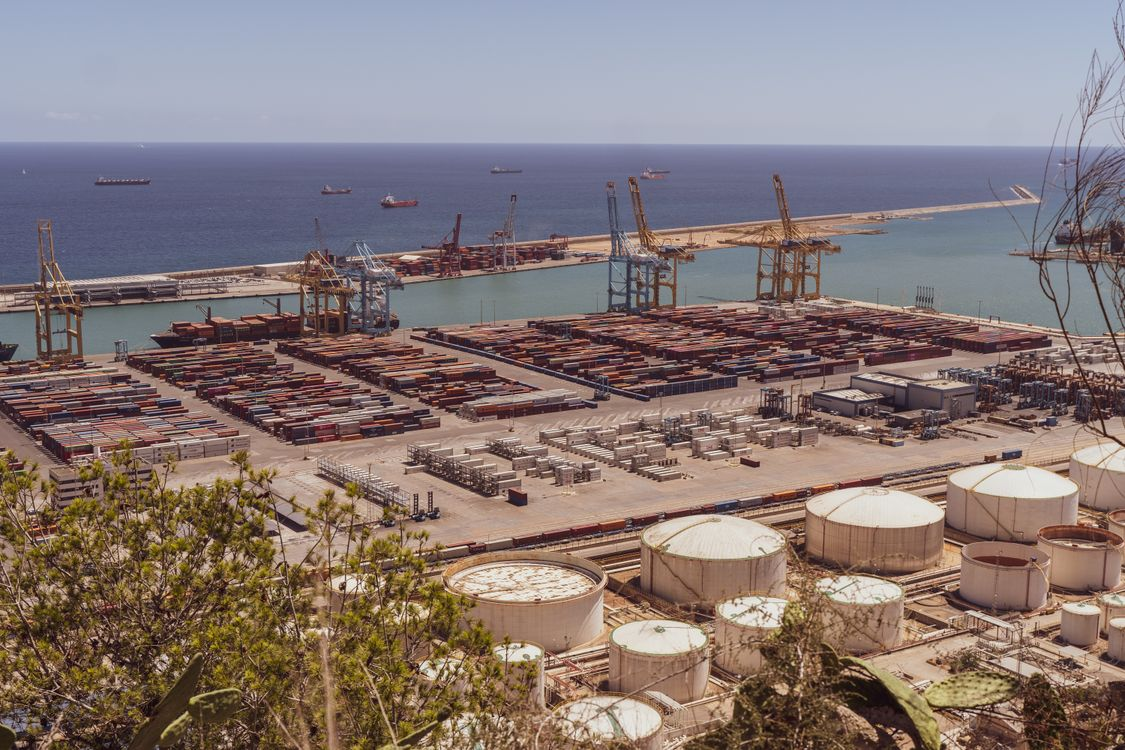
Bangladesh has signed a $335.78 million concessional loan agreement with the Export-Import Bank of China for the expansion and modernisation of Mongla Port, advancing plans to add container-handling infrastructure at the country’s second-largest seaport. The agreement was signed on 10 October and reported by the government’s Economic Relations Division on 12 October. It provides financing for two new container terminals equipped with modern machinery, alongside additional container and cargo yards.
The loan is valued at RMB2.404 billion, with a stated interest rate of 2% and a repayment period of 20 years, including a five-year grace period. Alia Meher, joint secretary of Bangladesh’s Economic Relations Division, and Fengjun Tian, assistant general manager of China Exim Bank, signed on behalf of their respective parties. The Mongla Port Authority, operating under the Ministry of Shipping, will implement the project.
The works described in the financing announcement include two container terminals, a container storage yard, a container delivery yard and a cargo-handling yard. Although the announcement establishes the financial structure and principal facilities, it does not supply a final construction timetable, detailed annual terminal capacity or confirmed procurement awards for individual equipment packages. Those details will determine how quickly the investment can translate into additional operational capability.
At a September briefing, Mongla Port Authority reported 815 vessel arrivals in the 2025–26 financial year and 12.251 million tonnes of cargo handled. Container throughput reached 29,714 TEU, representing a reported year-on-year increase of 38.49%. Those figures describe a port handling more activity, although they should not be confused with the substantially higher annual container volumes handled by Bangladesh’s largest maritime gateway at Chittagong.
Quay equipment alone cannot increase terminal throughput if navigational access, container yards and gate capacity remain constrained. A container terminal needs sufficient waterside access, reliable cargo-handling machinery and space to arrange containers before they are collected or transferred. Additional storage and delivery areas can reduce interference between different operations, but their effectiveness depends on truck access, gate processing, vessel schedules and the speed at which containers leave the port. The planned storage and delivery yards provide separate areas for holding containers and organising collection, complementing the equipment proposed for the two new berths.
The development also needs to be considered alongside navigability in the Pashur Channel, which provides access to the port. Separately from the Chinese financing agreement, the port authority has described a multiyear maintenance dredging programme intended to improve access for deeper-draught vessels. The authority has referred to a future ability to handle ships drawing up to 9.5 metres at its jetties once relevant channel works are completed. That target should not be represented as capacity already available, nor should the channel programme be presented as financed by this newly signed Chinese loan.
More terminal space can improve the handling of containers once vessels arrive, but it cannot independently determine the size of ships able to use a river approach. Similarly, dredging without complementary terminal investment would leave other possible capacity constraints. The commercial benefit is likely to depend on the timing and integration of improvements throughout the port system, rather than the nominal size of the loan alone.
The concessional loan specifies its interest rate and repayment schedule, but does not establish the final project cost after procurement, construction and potential variations. Nor does a signed loan automatically confirm that all contracts have been awarded or that civil engineering is already under way. Equipment specifications, construction sequencing and procurement awards have yet to be announced; those decisions will determine how the loan-financed works proceed.
Bangladesh is seeking to develop Mongla as a stronger alternative for suitable maritime traffic, particularly where its position in the south-west offers useful access to industrial and distribution customers. A more capable facility could provide carriers with additional routing choices and give importers and exporters another point through which to organise cargo. Such gains depend on service frequency, reliability and inland connections as much as on terminal design.
The signed agreement moves the Mongla expansion into a financed project phase, while construction and equipment contracts remain unconfirmed. Construction and equipment awards, confirmed delivery dates, progress on the channel programme and throughput records will provide firmer measures of implementation. The investment is substantial, but it is the coordinated operation of berths, yards, navigation and inland transport that will determine how much additional freight Mongla can handle.