IN Brief:
- PortCalls reports proposed closure of existing Valenzuela container yards by 31 December 2026; no ordinance has been enacted.
- Local reports describe interim five-high stacking and setback instructions; hauliers warn that a wider ban could constrain empty-container returns.
- The complete proposed legal text and the volume of displaced container capacity remain unverified pending council hearings.
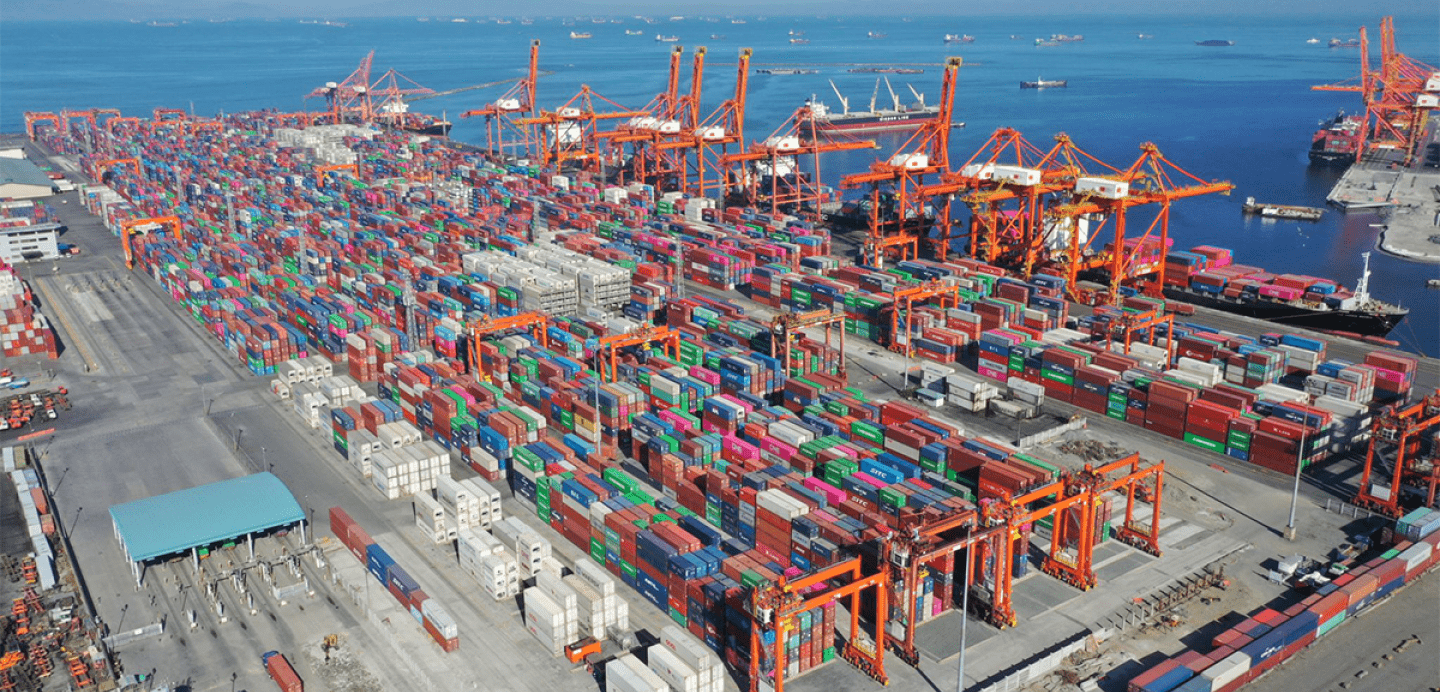
Valenzuela City in Metro Manila is considering a ban on container yards from 1 January 2027, bringing local concerns about heavy truck movements into conflict with the freight industry’s need for places to return empty containers. According to a proposed ordinance examined by Philippine logistics publication PortCalls and reported on 10 October, existing yards would be required to close by 31 December 2026. The city has not enacted that measure. Mayor Weslie Gatchalian has said consultations and council hearings are continuing, so the proposed dates, final scope and legal effect remain open.
PortCalls reports that the draft goes considerably further than a restriction on new developments. In the text it examined, the proposed ban covers establishment, operation and maintenance of container yards, including a phase-out for sites already handling containers. The publication says that its draft would apply irrespective of existing permits, leases or zoning classifications, and would seek to prevent an operator continuing essentially the same activity under another business description or temporary-staging arrangement. The complete proposed ordinance has not been independently obtained from an authenticated city record, so these provisions are attributed to that documented reporting rather than verified as final legal text.
Public comments by city officials describe concerns distinct from the text of the proposed ordinance. After discussing complaints from residents of Barangay Paso de Blas, Gatchalian described stacks reaching eight containers near homes and raised traffic, noise and safety concerns. Contemporary local reporting says he directed operators to move stacks away from residential boundaries, place containers toward the centre of yards and limit stacking to five levels. The reported instructions are not an enacted citywide ban, and no authenticated municipal enforcement document establishing their precise scope or penalties has been obtained.
The proposal has met opposition from the Haulers and Truckers Association in the Watersouth, known as HATAW. Its president, lawyer Don Mañebo, argues that closing yards would aggravate existing difficulties in returning empty shipping containers, push up transport expenditure and potentially transfer costs to importers and consumers. The association has called for more proportionate regulation and intends to submit its position to the city. Those outcomes are industry warnings, not costs established by an enacted policy.
Empty-container logistics are unusually sensitive to the location of available storage. After an importer unloads goods, the box normally has to be returned in accordance with the shipping line’s instructions. It may go to a nominated off-dock depot rather than directly back to a crowded marine terminal. When designated depots are full, distant or operating limited acceptance windows, a truck can spend additional time moving an empty box that no longer generates an inbound freight movement.
Delayed empty-container returns can tie up a tractor, driver and chassis that would otherwise be available for another collection or delivery. For a shipping line, limited alternative depot storage can complicate container repositioning and the supply of suitable equipment for export bookings. For nearby residents, however, the depots that support those movements can concentrate heavy vehicles on roads not intended for extensive industrial traffic. The proposed rule therefore concerns competing operational needs rather than a straightforward choice between logistics efficiency and urban amenity.
Philippine port stakeholders have also been discussing pressure on empty-container returns and congestion around Manila, which could compound disruption if storage sites close before replacements are ready. On 9 October, PortCalls reported Philippine Ports Authority general manager Jay Santiago saying that additional empty-container yards, potentially in Valenzuela and neighbouring provinces, could offer an immediate way to relieve the problem. That view contrasts with the city’s proposed direction and illustrates the absence of an agreed location strategy for the region’s container storage.
A separate proposed joint administrative order at national level is intended to address aspects of container returns, but it was still awaiting relevant government signatures when the local proposal was reported. The eventual relationship between national procedures and municipal land-use controls is therefore unresolved. An improvement in acceptance rules or documentation would not, on its own, create physical storage capacity if existing sites were required to close.
Operators assessing their exposure would need to establish which current container flows use Valenzuela depots, where substitute yards could legally operate and whether alternative sites have sufficient handling space and road access. Shifting container storage farther from the port could reduce local disruption in Valenzuela while adding distance and waiting time elsewhere. The net effect would depend on actual yard capacity, operating hours, collection arrangements and any transitional period that the final ordinance permits.
No verified count of affected yards, estimate of displaced TEU capacity or quantified additional cost has been established by the original report. Those figures should not be assumed. The city’s stakeholder consultations and the final ordinance text will establish which sites and activities would be affected, while any arrangements for alternative empty-container returns have yet to be confirmed. Until then, the proposed January implementation remains a material planning risk, rather than a change already imposed on Manila freight operators.