IN Brief:
- Boluda Shipping has agreed to acquire Samskip, with completion targeted for 1 January 2027, subject to regulatory approval.
- The proposed network would comprise 32 vessels, 18 routes, 21 maritime terminals, five rail terminals and more than 500 trucks.
- Annual logistics throughput is expected to exceed 750,000 TEU across services connecting 28 countries.
Boluda Shipping has agreed to acquire Netherlands-headquartered Samskip in a transaction intended to combine their European maritime and multimodal logistics operations. The proposed business would connect Northern Europe with the Iberian Peninsula, the Canary Islands and West Africa through an expanded network of short-sea shipping services, terminals and inland transport connections.
The acquisition is expected to close on 1 January 2027, subject to approval by the relevant authorities and fulfilment of the agreed conditions. Until completion, the companies will continue operating independently. The agreement therefore establishes a proposed ownership change and integration programme, with the vessels, terminals and transport services remaining under their existing operational arrangements in the meantime.
Following completion, the combined network is expected to comprise 32 vessels operating 18 routes across markets in 28 countries. Its maritime infrastructure would include 21 terminals, supported by five rail terminals and more than 500 company-owned trucks. The companies anticipate annual logistics throughput exceeding 750,000 twenty-foot equivalent units, reflecting the scale of the transport operations they intend to bring together.
Those assets would connect maritime transport more closely with inland freight movements. A container arriving at a port may continue by rail towards an industrial centre, transfer to a regional shipping service or be collected by truck for delivery to its final destination. The availability and timing of those connections determine which routes can be offered and how many separate transport arrangements are required to complete a shipment.
Short-sea shipping provides regular maritime services between regional ports, allowing cargo to move between neighbouring markets without relying exclusively on long-distance road transport. Within a multimodal network, the vessel forms one part of a journey that may also involve rail and road. The commercial performance of that journey depends on sailing frequency, container availability and the cost and reliability of transferring cargo between the different services.
Boluda Shipping contributes established container shipping, port logistics and associated transport activities, while Samskip brings a substantial Northern European multimodal network. The companies already cooperate on services in Spain, providing an existing operational relationship across part of the proposed combined network. Their established routes and customer connections would form the basis for developing additional transport arrangements after completion.
A customer moving goods between Northern Europe and the Iberian Peninsula may require a maritime service followed by road or rail transport to reach an inland destination. Combining the companies’ operations could create additional options for arranging those movements through the same network, provided that suitable connections and capacity are available. The practical benefit will depend on how the existing services are coordinated rather than simply on the number of routes brought under common ownership.
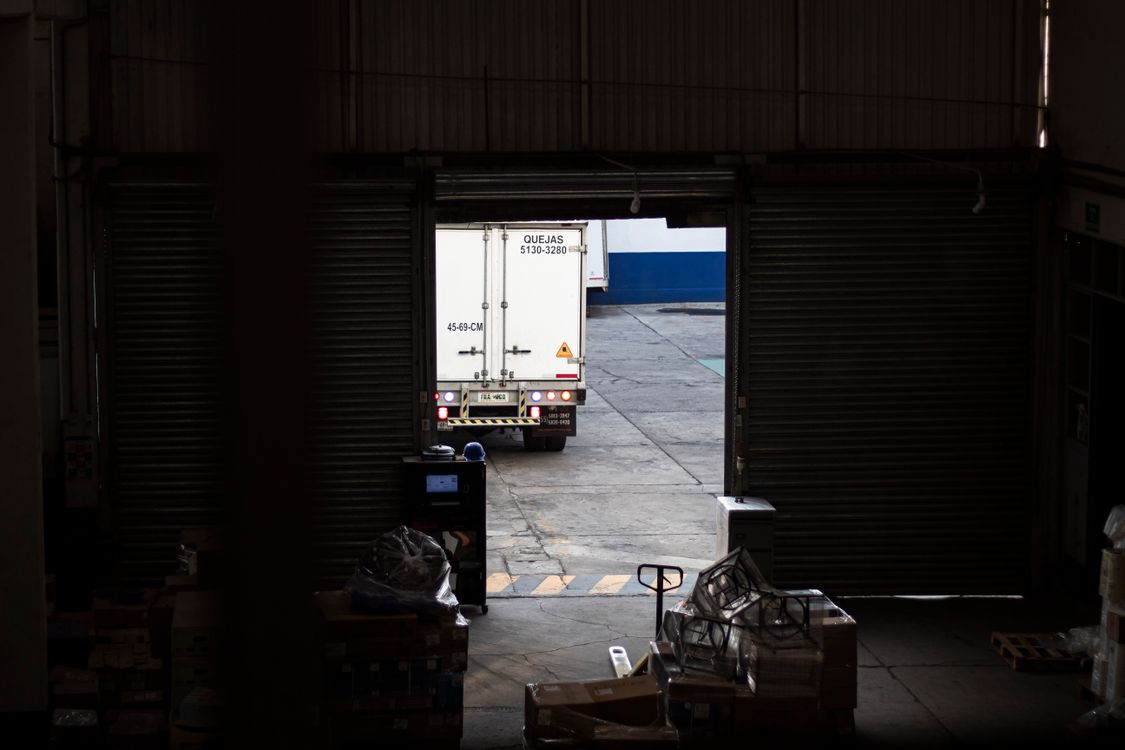
Coordinating those journeys requires cargo to move through the network’s 21 maritime terminals without unnecessary delays between transport stages. Containers discharged from a vessel must be transferred to storage, positioned for another sailing or prepared for inland collection. The availability of handling equipment, yard capacity and transport access determines how quickly those movements can be completed and whether cargo is ready for its next scheduled departure.
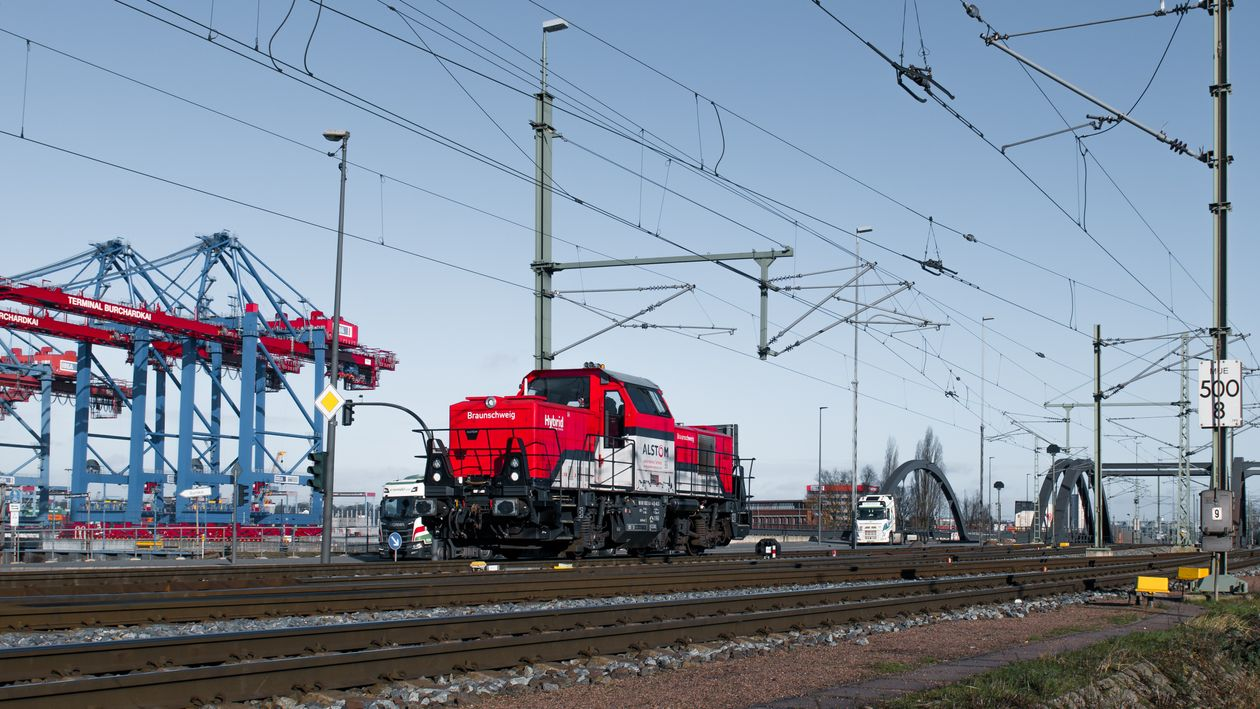
The five rail terminals would extend those connections inland, allowing containers to transfer between maritime services and scheduled freight trains. A rail departure must have sufficient capacity, while the terminal must ensure that the relevant containers have arrived, been processed and are available for loading. Where the rail service ends short of the final destination, the truck fleet provides the remaining transport connection, subject to vehicle availability and delivery arrangements.
Rotterdam provides an established operating location for coordinating these movements. Samskip is headquartered in the Netherlands and has extensive regional transport activities, while Boluda has expanded its Northern European presence through maritime operations and harbour towage services. Boluda Shipping opened new offices in Rotterdam in June, adding to the infrastructure available for managing its shipping and logistics activities in the region.
With both businesses already active around Rotterdam, the proposed integration would bring together transport management functions serving established maritime and inland corridors. The companies intend to develop further connections across the expanded network, although the detailed allocation of responsibilities, service schedules and operating systems will be determined after the transaction closes. Existing customer agreements and transport arrangements will continue to govern the services provided until those changes are implemented.
Closer coordination could also support alternative routes where cargo can move by sea or rail rather than travelling the entire distance by road. The companies identify opportunities to reduce carbon dioxide emissions by combining maritime and rail services with shorter collection and delivery journeys. The actual emissions associated with a shipment will depend on vessel and train utilisation, the fuels used, journey distances and any additional handling required at transfer points.
Those conditions also determine whether a multimodal journey is commercially competitive. A direct truck movement may offer greater scheduling flexibility, particularly for smaller consignments or destinations without convenient terminal access. Maritime and rail services can consolidate larger volumes along established corridors, but their handling charges and fixed departure schedules must be considered alongside the transport cost. Customers will therefore need to assess the available combinations against their individual cargo and delivery requirements.
Equipment availability forms part of that calculation. Containers arriving at one terminal may be needed for later export shipments elsewhere in the network, while differences between inbound and outbound volumes can leave equipment concentrated in particular locations. Moving empty containers to where they are required consumes transport capacity, making the coordination of equipment with vessel, rail and road schedules an important aspect of operating the enlarged network.
The proposed combination would provide a broader set of services through which those movements could be managed, although the extent of any improvement will depend on the integration of planning systems and transport operations. The companies intend to invest in additional capacity and strengthen network connections after completion. Samskip will retain its established brand, while its chief executive, Ólafur Orri Ólafsson, is expected to continue contributing to the business through the ownership transition.
Boluda has not disclosed the purchase price or a detailed timetable for individual operating changes. Regulatory approval and the agreed closing conditions must first be satisfied before ownership can transfer and the proposed integration can begin. Completion on the targeted date of 1 January 2027 would establish the structure under which the companies can coordinate their vessels, terminals, rail services and trucking operations across the expanded European network.