IN Brief:
- Intermodal counted 82 PCTC orders in the first nine months of 2026, compared with nine throughout 2025.
- The orderbook-to-fleet ratio reached 26%, versus a long-run average of about 14%.
- Approximately 64% of the current orderbook by tonnage is scheduled for delivery from 2028 onwards.
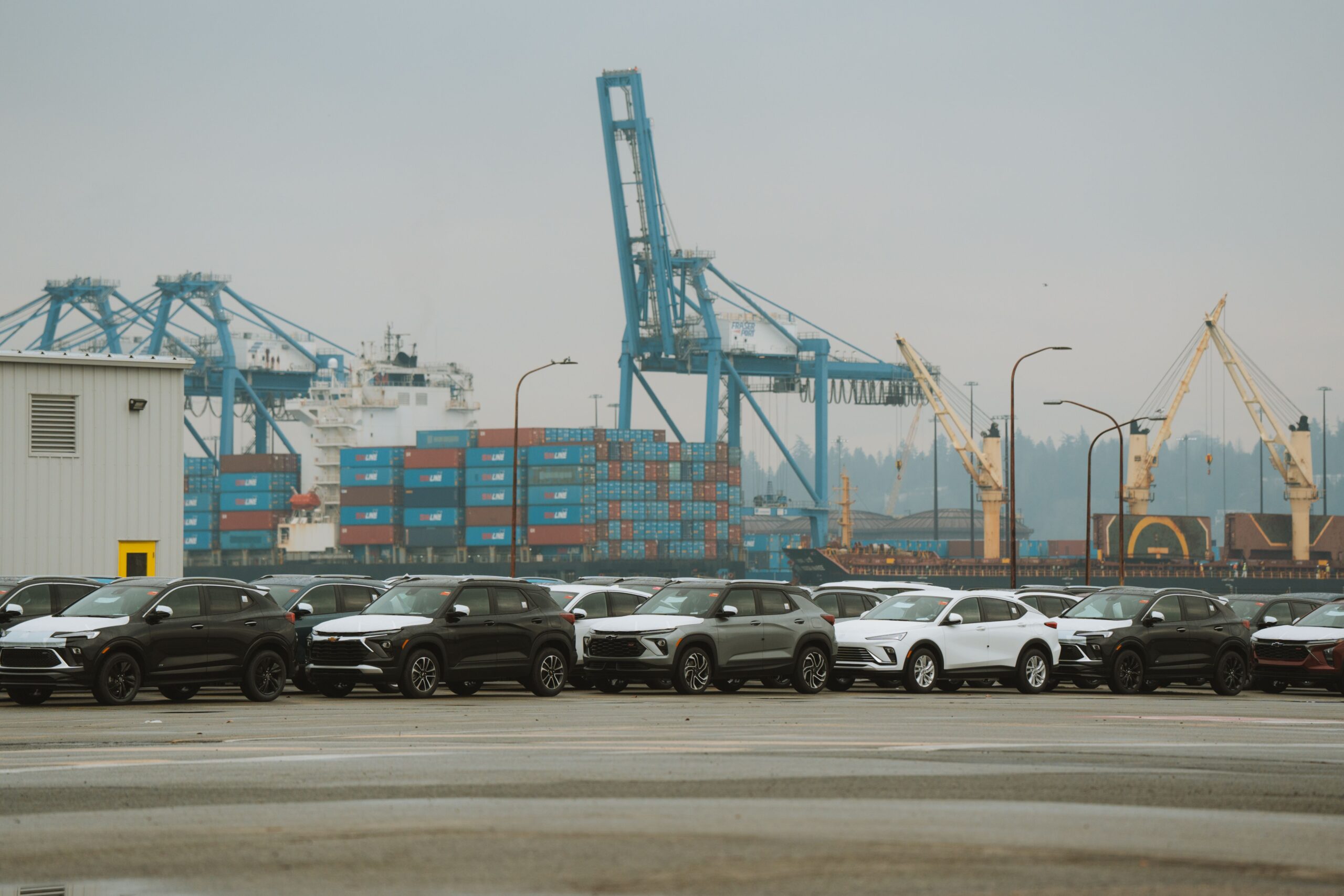
Orders for pure car and truck carriers are accelerating as Chinese vehicle exports continue to expand. Greek shipbroker Intermodal reported 82 PCTC newbuilding contracts in the first nine months of 2026, compared with just nine orders during the whole of 2025. The increase will enlarge the fleet over several years, even though ships contracted now are not yet available for freight operations.
The first nine months of 2026 also exceeded Intermodal’s 10-year average of about 35 car-carrier orders in a full year. Outstanding contracts now amount to approximately 26% of the operating fleet, compared with a historical average of 14%. This orderbook-to-fleet measure expresses incoming vessel supply relative to ships already trading. It is an indicator of future capacity exposure, not evidence that unused vessel space has already accumulated at ports or in the charter market.
China exported approximately 8.2 million vehicles in January–September, up 66% on the equivalent 2025 period according to figures cited in the brokerage coverage. That export growth has required additional vehicle transport capacity on long-distance routes to Europe, Latin America and other destination markets. The total number of exported cars is only one part of the calculation: the distance travelled and time taken to reposition a ship after discharge determine how many vessels are needed to move a given annual volume.
A PCTC differs from a conventional container ship in its cargo-handling arrangement. Multiple enclosed decks, internal ramps and roll-on/roll-off access allow finished cars, vans and other wheeled vehicles to be driven aboard, secured and discharged without lifting each unit in a container. Usable capacity is commonly expressed in car-equivalent units, while actual carrying potential depends on the dimensions and weight of the vehicles shipped, deck configurations and restrictions at destination terminals.
A PCTC committed to a voyage from East Asia cannot accept another loading until it has reached the discharge terminal and, where necessary, returned or repositioned. Longer routes around the Cape of Good Hope can occupy ships for more days; the limited availability of return vehicle cargo on some routes adds sailing time without earning the same cargo revenue. This combination explains how rapid exports and longer voyages can tighten effective ship supply even while more vessels enter the global fleet.
One-year time-charter rates for some car carriers reached about $95,000 a day in September, according to industry reporting of Intermodal’s figures. The reported level is a market reference, not the daily earnings of every vessel; rates depend on capacity, age, duration and trading restrictions. Charter income supports newbuilding investment, but the economics of a ship delivered several years from now will depend on the rate available then rather than the price achieved when its construction contract was signed.
Delivery dates spread the effect of the ordering wave. Intermodal estimates that approximately 64% of the current orderbook, measured by tonnage, is scheduled to arrive from 2028 onwards. The distinction between ordered tonnage and vessel count is important because carrier size varies. Much of the new capacity will therefore be absent from the immediate 2026–27 market. Yard completion dates, vessel specifications and cancellations may change the eventual delivery profile, but the reported distribution concentrates supply risk later in the decade.
An EU–China understanding on hybrid-vehicle trade adds uncertainty to the future route mix. Reports have described an initial quota of roughly 350,000 imported vehicles, compared with earlier industry expectations of substantially larger annual deliveries, but the full mechanism and implementation terms have not been established in a publicly accessible binding EU measure. China’s Ministry of Commerce described principles for an arrangement on hybrid vehicles on 12 October without confirming that figure in its statement. The potential effect on car-carrier demand must remain conditional until the formal scope and timetable are settled.
Chinese vehicle manufacturers are also expanding their own shipping arrangements. When a manufacturer controls more of its transport, some export volumes can move in dedicated fleets instead of being offered to independent operators on the charter market. Fleet ownership and voyage allocation may therefore change demand for third-party PCTC capacity even if the total number of cars shipped remains high. Meanwhile, logistics groups investing in dedicated car-carrier capacity will have to decide which trades justify those long-term commitments.
The immediate market remains supported by export growth and lengthy vessel cycles, while the orderbook points to a different supply position from 2028. Cargo owners arranging finished-vehicle transport can face high near-term charter costs without assuming that the same conditions will persist after deliveries accelerate. The balance will depend on where Chinese exports are routed, whether import rules become effective, how many vessels are actually delivered and the extent to which manufacturers use their own fleets.