IN Brief:
- Chennai Port Authority is offering alternative or additional calls to container vessels affected by network disruption.
- Its existing container infrastructure provides another east-coast option for carriers managing altered vessel rotations.
- Berth availability, yard capacity, customs coordination, and inland transport will determine how much diverted traffic can be absorbed.
Chennai Port Authority is offering container lines alternative or additional calls as disruption continues to alter vessel rotations, giving carriers another Indian gateway to consider when scheduled port calls become difficult to maintain.
The authority has said it will facilitate vessels affected by congestion, diversions, geopolitical developments, weather, and other operating constraints. Requests will be handled according to available capacity rather than through a blanket commitment to accommodate every diverted service.
Chennai is one of India’s 12 Major Ports and serves a large manufacturing and consumption base across southern India. Its position on the Bay of Bengal connects it with regional and east-west shipping networks, while established road and rail links feed industrial areas across Tamil Nadu and neighbouring states.
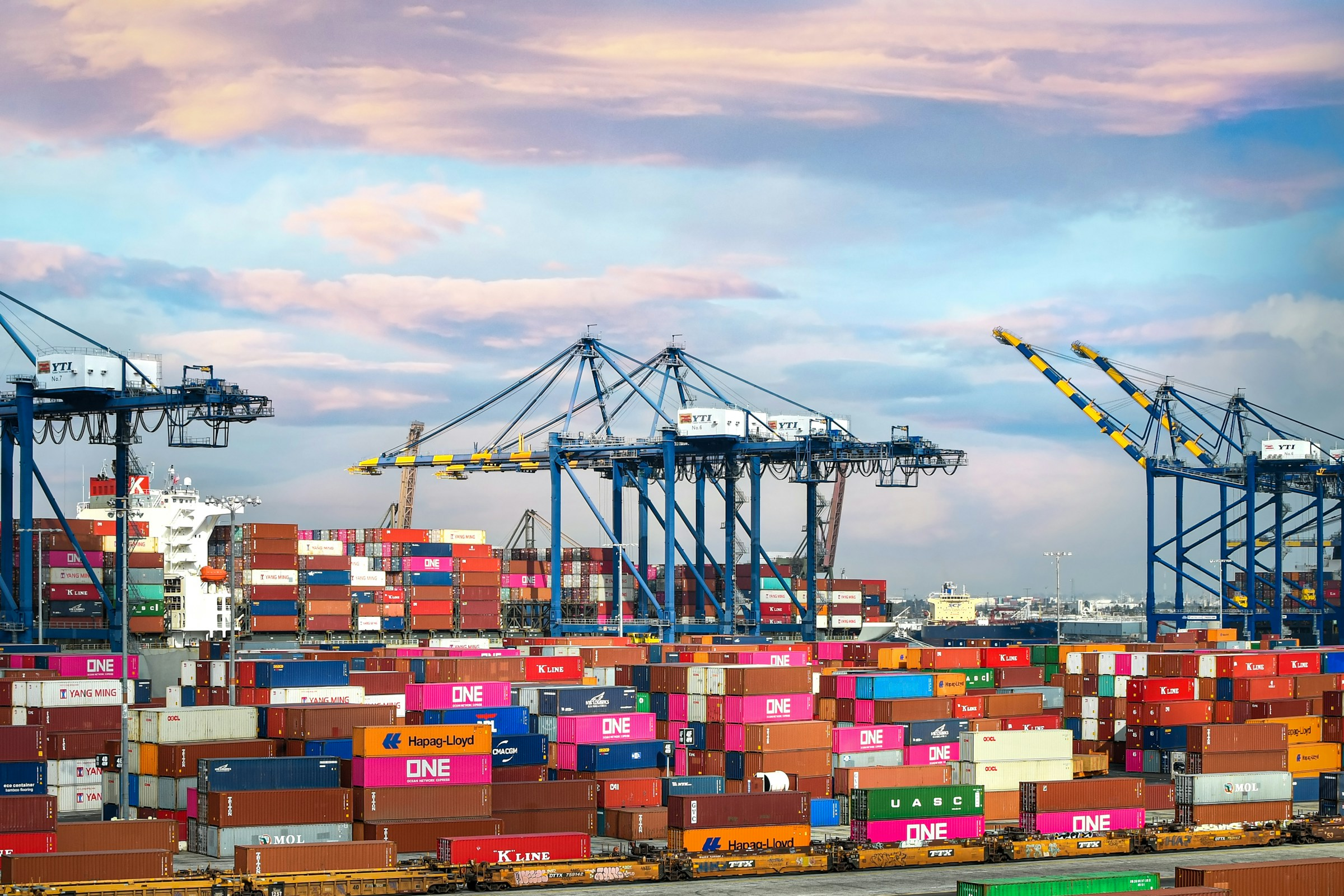
The port’s container infrastructure gives the offer practical weight. Chennai Container Terminal has four container berths with a combined quay length of 885 metres and annual capacity of about 1.6 million TEU. Infrastructure includes seven quay cranes, almost 4,000 ground slots, reefer connections, and facilities for ships of up to roughly 6,400 TEU.
That infrastructure still places limits on how much disruption Chennai can absorb. An additional vessel call requires a workable berth window, sufficient crane capacity, yard space, labour, customs support, and a plan for moving the discharged boxes inland. Diverting a ship solves little if the containers then wait for trucks, trains, storage, or documentation.
Such coordination has become harder as disruption moves between shipping corridors. Carriers have had to adjust schedules around security risks, port congestion, adverse weather, and longer routings, with delays at one gateway affecting subsequent calls throughout a vessel rotation.
India has already introduced temporary customs arrangements for internationally routed cargo affected by disruption around the Strait of Hormuz. Those measures allow specified containerised and bulk cargo to be unloaded, stored, and transhipped under Customs control when normal routings are disrupted.
Chennai’s offer adds a physical port option to that regulatory flexibility. Customs procedures can keep diverted cargo within a workable legal framework, but they cannot provide berth space, cranes, yard capacity, or an onward vessel. Port operators and carriers still have to assemble the physical route around the paperwork.
Schedule recovery is one reason an additional call can be valuable. A ship waiting several days for its planned berth can lose windows at later ports, disrupting connections and equipment flows across the service. Switching to another viable gateway may reduce that knock-on effect where cargo and inland transport can be rearranged quickly enough.
The calculation is different for cargo owners. An importer may gain little from an earlier vessel discharge if the replacement port is substantially farther from its factory or distribution centre, while exporters need confidence that boxes can reach the substitute gateway before the revised cut-off.
Automotive, engineering, electronics, textiles, and other manufacturing sectors around southern India depend on regular container services for both components and finished goods. Those supply chains often work around production schedules rather than simply accepting whichever shipping option becomes available, so changes in port routing can affect inventory buffers and inland transport requirements within days.
Chennai’s surrounding logistics network is therefore part of the contingency offer. Road capacity, rail services, container freight stations, depots, customs brokers, and hauliers all determine whether an extra vessel call remains an isolated port event or becomes a workable alternative supply chain.
The port handled 57.9 million tonnes of cargo during the 2025/26 financial year, while Chennai and neighbouring Kamarajar Port together handled about 107 million tonnes. Existing volumes show that the gateway already operates at substantial scale before additional diverted calls are added.
Extra calls can also arrive in clusters rather than neatly filling spare periods. Weather events and route disruptions often affect several ships at once, while vessels that were previously delayed can reach a region in quick succession. Capacity that appears available on a weekly planning sheet can disappear quickly when arrival patterns become irregular.
Terminal operators consequently have to protect existing services while accommodating opportunistic traffic. Accepting an additional vessel at the cost of delaying several scheduled customers would simply redistribute disruption across the network.
Communication between the port, terminal, carrier, customs authorities, forwarders, and inland transport operators becomes especially important when rotations change at short notice. Cargo documentation may name one gateway while the physical container arrives at another, and trucking or rail bookings may need to be rearranged before the ship reaches the berth.
Reefer cargo creates another constraint because temperature-controlled boxes require electrical connections and monitoring while they wait. Hazardous cargo, oversized units, and specialist industrial freight can also require handling arrangements that cannot be created simply because an empty berth is available.
Chennai is therefore offering flexibility rather than spare capacity without conditions. Its value to carriers will depend on whether the port can match an incoming vessel with an operational window and a landside plan quickly enough to improve the disrupted schedule.
That is a narrower proposition than becoming a permanent substitute for another gateway, but it is commercially useful during unstable shipping periods. Ports traditionally compete on throughput, service frequency, and cost; the ability to absorb an unscheduled call without destabilising existing operations has become another measure of resilience.
Chennai’s offer will be tested vessel by vessel. If alternative calls can be accommodated while boxes continue moving through customs and inland networks, the port provides carriers with another pressure-release point on the east coast. If berth or landside capacity tightens, the practical limit will emerge quickly — disruption has a habit of finding the next bottleneck rather than disappearing.