IN Brief:
- CILT says West London Orbital proposals could increase passenger trains through Acton Wells Junction from eight to 16 per hour without demonstrating sufficient freight protection.
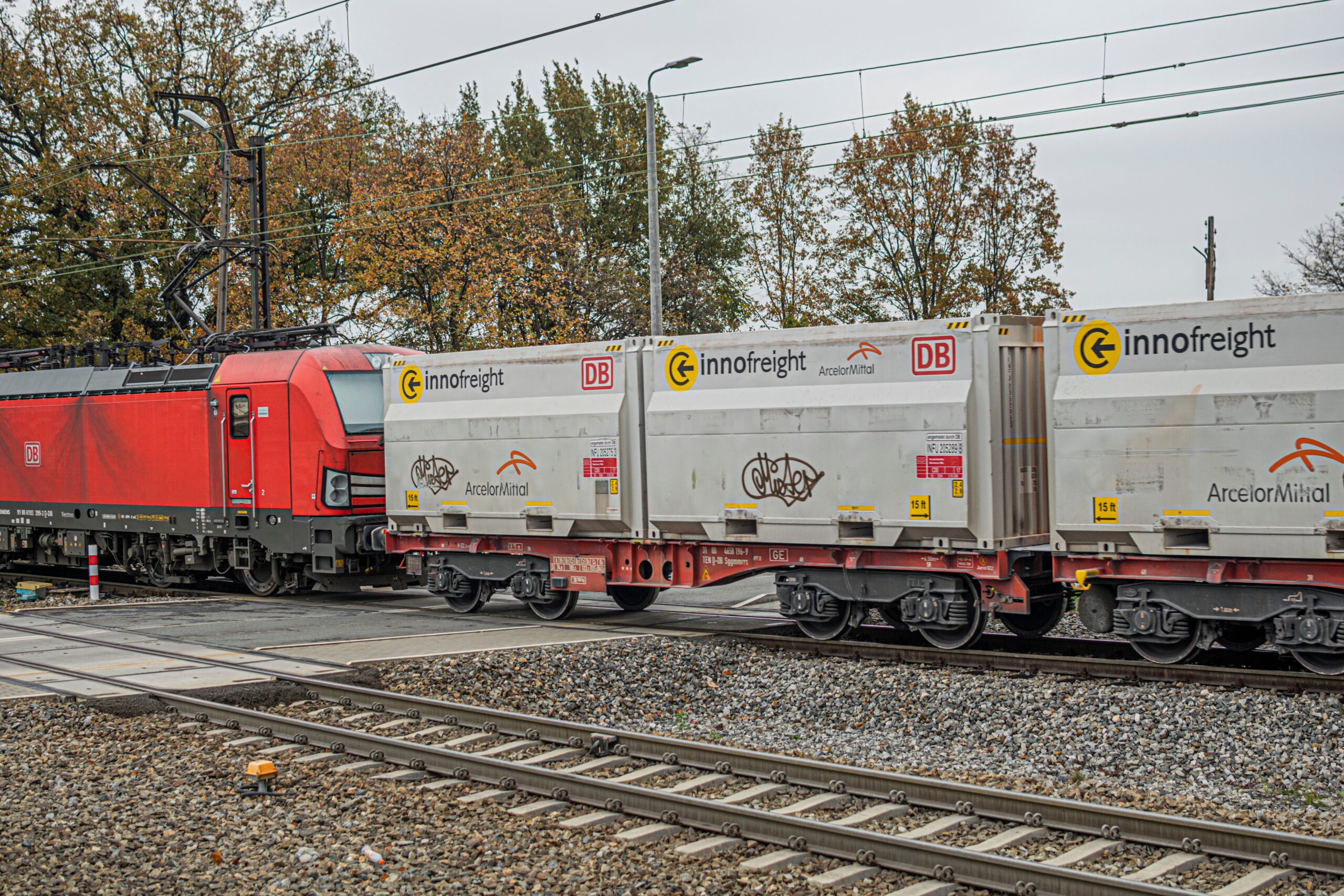
- The institute reports that around 72 freight trains use the junction daily, including movements of construction materials and port containers.
- TfL proposes additional tracks and a bridge, while CILT requests a joint operational assessment and consideration of grade separation or comparable solutions.
The Chartered Institute of Logistics and Transport in the UK has warned that the proposed West London Orbital passenger railway could restrict strategic freight movements unless capacity at Acton Wells Junction is assessed and protected. In its 17 November consultation response, the professional body calls for further joint work involving Transport for London, Network Rail, freight operators, and customers before the scheme is developed further.
CILT supports better passenger links across west and north-west London, particularly the additional access envisaged for communities such as Harlesden. It nevertheless questions how the planned service frequency will interact with freight trains already moving construction materials and containers across the capital. Its consultation response says the proposed operating arrangements have yet to demonstrate adequate protection for freight paths.
The West London Orbital would create a London Overground route between Hendon and Hounslow, using existing railway infrastructure including the Dudding Hill line, which currently carries freight rather than scheduled passenger services. Transport for London proposes a service covering twelve stations, including four new stops at Neasden, Harlesden, Old Oak Common Lane, and Lionel Road, alongside upgrades at existing stations.
According to CILT, the proposals would increase passenger train movements through Acton Wells Junction from eight to sixteen per hour. The institute estimates that the junction already handles about 72 freight trains each day, many transporting construction materials. Its concern is that added passenger frequency would leave fewer opportunities to route freight trains through a complex junction unless conflicting movements are removed or operating arrangements change.
Acton Wells lies on routes that connect freight flows serving London and the South-East. CILT identifies aggregates, limestone, sand, and gravel as important traffic, including supplies brought from quarries in Somerset, Gloucestershire, and South Wales. These materials feed housebuilding and infrastructure work, making reliable train paths relevant to construction supply chains rather than solely to railway performance statistics.
Julian Worth, a member of CILT’s Strategic Rail Policy Group, said: “Rail freight already delivers around 50% of London’s construction materials and this is set to grow substantially.” The figure is attributed to the institute’s submission and should not be treated as a fresh independent measurement of all materials reaching the capital by every transport mode.
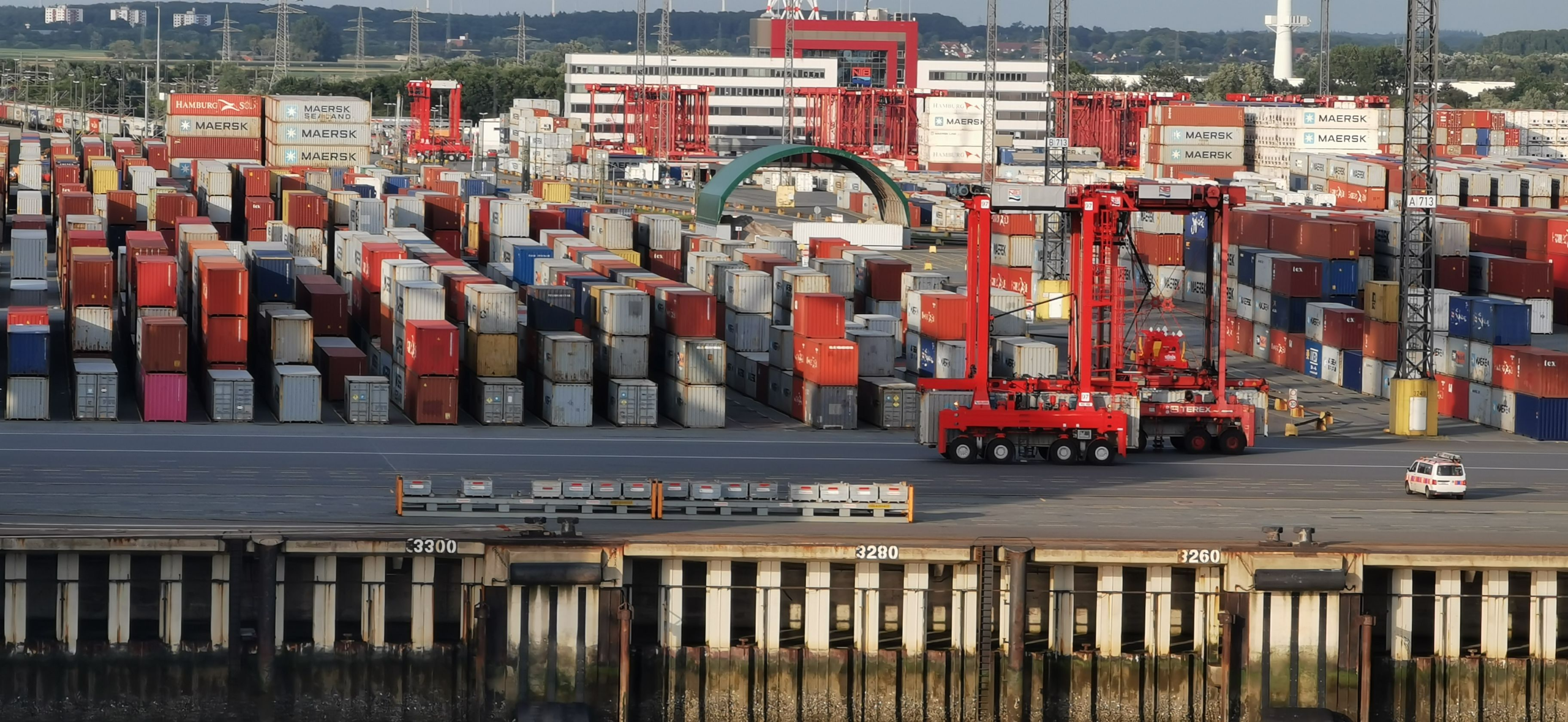
The same network accommodates container traffic associated with London Gateway and Tilbury, providing inland connections for goods moving through the Thames ports. Freight demand may change as terminals expand and additional logistics facilities are developed, so a timetable assessment based solely on existing train counts could underestimate future requirements. CILT wants the capacity analysis to include growth associated with these ports, the proposed Barking Eurohub, and international traffic using the Channel Tunnel.
Transport for London acknowledges that Acton Wells is one of the main constraints in its published infrastructure proposals. It envisages increasing the number of tracks at the junction from two to four and constructing a new bridge over the Central line to accommodate the additional tracks. The proposals form part of a wider package involving track, signalling, station, and junction changes needed for the planned passenger service.
CILT argues that additional tracks alone may not resolve the conflicts where trains need to cross one another’s routes. A train occupying one junction movement can block another even when parallel tracks are available elsewhere; the constraint depends on the junction layout, signalling, and the sequence of routes that can safely be set. The institute therefore wants grade separation, or another solution that removes those crossing conflicts, assessed rather than assuming track multiplication will provide sufficient capacity.
Grade separation generally involves routing one rail movement over or under another so the crossing no longer depends on trains taking turns at the same level. That approach can remove a specific operational conflict, but would introduce its own design, land, construction, and cost considerations. CILT has not supplied an approved engineering scheme or cost estimate, and its proposal remains a recommendation for further examination rather than an agreed infrastructure change.
CILT has asked TfL to pause development of the current proposal until a comprehensive operational assessment is completed with Network Rail, freight operators, and customers. TfL has made no such decision; its public consultation is due to close on 18 November, with the responses to inform further design and assessment of project impacts.
TfL says it is still testing the railway timetable and developing the designs and cost-benefit case. Subject to funding and further work, a decision on whether to prepare a Transport and Works Act Order application could be made at the end of 2027. Construction is provisionally envisaged for the early 2030s, with passenger operations potentially starting by 2035 if the necessary approvals and investment are secured.
The capacity assessment sought by CILT would need to test workable freight paths against the proposed passenger timetable, not simply compare track numbers with the total trains per hour. Junction route conflicts, signalling headways, diversions, and operating conditions during disruption all affect whether a train can traverse the network as planned. The institute wants future port and aggregates movements included alongside today’s train counts.
CILT is seeking an assessment that tests passenger service frequency against protected freight paths and future port and construction traffic, before TfL commits to the junction design. TfL’s own plans recognise the need for more infrastructure at Acton Wells; the unresolved question is which layout can accommodate both passenger connectivity and reliable freight access as volumes change.