IN Brief:
- Aalborg Container Terminal has joined Portchain Connect, which exchanges vessel schedules and planned container move counts between carriers and terminals.
- Terminal planners can respond to proposed arrivals, counterpropose berth windows, and maintain a shared record of vessel-call updates.
- The addition is separate from Portchain’s recent Euroports Rauma deployment; no Aalborg-specific waiting-time, fuel, or throughput benefit has been quantified.
Aalborg Container Terminal has joined Portchain Connect to coordinate vessel schedules and berth plans with shipping lines through a shared digital system. The arrangement was announced on 16 November and will allow the Danish terminal to receive carrier updates on expected arrivals and container moves, then propose or accept berthing windows using the same information.
Portchain describes the exchange as a digital handshake between carrier and terminal. Shipping lines send an expected arrival and handling requirement, while terminal planners can accept the proposal or return a different berth window. The common record is intended to reduce successive manual revisions when vessel arrival times or berth availability change.
The agreement establishes Aalborg as a participant in the network but does not demonstrate that waiting times or fuel use have fallen. Neither the terminal nor Portchain has reported a measured change in berth productivity, crane use, or vessel punctuality specifically attributable to the new arrangement. Operational results will depend on carriers supplying accurate updates and planners agreeing workable windows.
Container terminal schedules are vulnerable to changes that begin well beyond the harbour entrance. A vessel might depart a previous port late, alter its speed, experience adverse weather or encounter congestion while completing earlier calls. The terminal must then reassess when a berth, crane team and storage area will be available for the boxes the vessel needs to load or discharge.
Where arrival and handling information is exchanged through separate emails, telephone calls, and spreadsheets, different participants may hold incompatible versions of the plan. A terminal could prepare a crane allocation for a vessel whose expected arrival has moved, while a carrier might still plan its approach around a berth slot that is no longer available. Shared updates are intended to reduce that mismatch.
Portchain Connect can receive schedule and planned move-count updates directly from connected carrier systems. The move count represents expected handling activity during a call, helping planners compare vessel workload with available berths, cranes, and yard resources. It is a planning input rather than a verified count of containers already handled.
Timely estimates of the expected workload can support more precise allocation of resources. If a vessel is scheduled to handle a larger number of boxes than previously expected, the terminal may need to review its crane plan, equipment allocation and yard capacity before confirming the berth. Conversely, a smaller expected call can release capacity that could be made available for another vessel, subject to local restrictions.
An agreed berth window may provide earlier information for a vessel operator considering arrival speed. Where a ship can adjust its passage without missing a confirmed terminal slot, slower steaming may reduce fuel consumption compared with racing to port and waiting. No such saving has been demonstrated for Aalborg, and the outcome depends on voyage length, speed, weather, and the reliability of the berth plan.
Portchain reports a wider network of more than 200 container terminals and six major shipping carriers, representing over 40% of global terminal capacity. These are company-level measures, not counts of carriers exchanging data with Aalborg. The announcement does not establish that every line calling at the Danish terminal is connected to the system.
Aalborg handles container traffic in northern Denmark and connects with larger international services through a weekly feeder route to Hamburg and Bremerhaven. These feeder links enable regional importers and exporters to use the global container networks that operate through those hub ports. Where a feeder ship’s port rotation includes several calls, accurate berthing information can affect the timing of containers joining onward services.
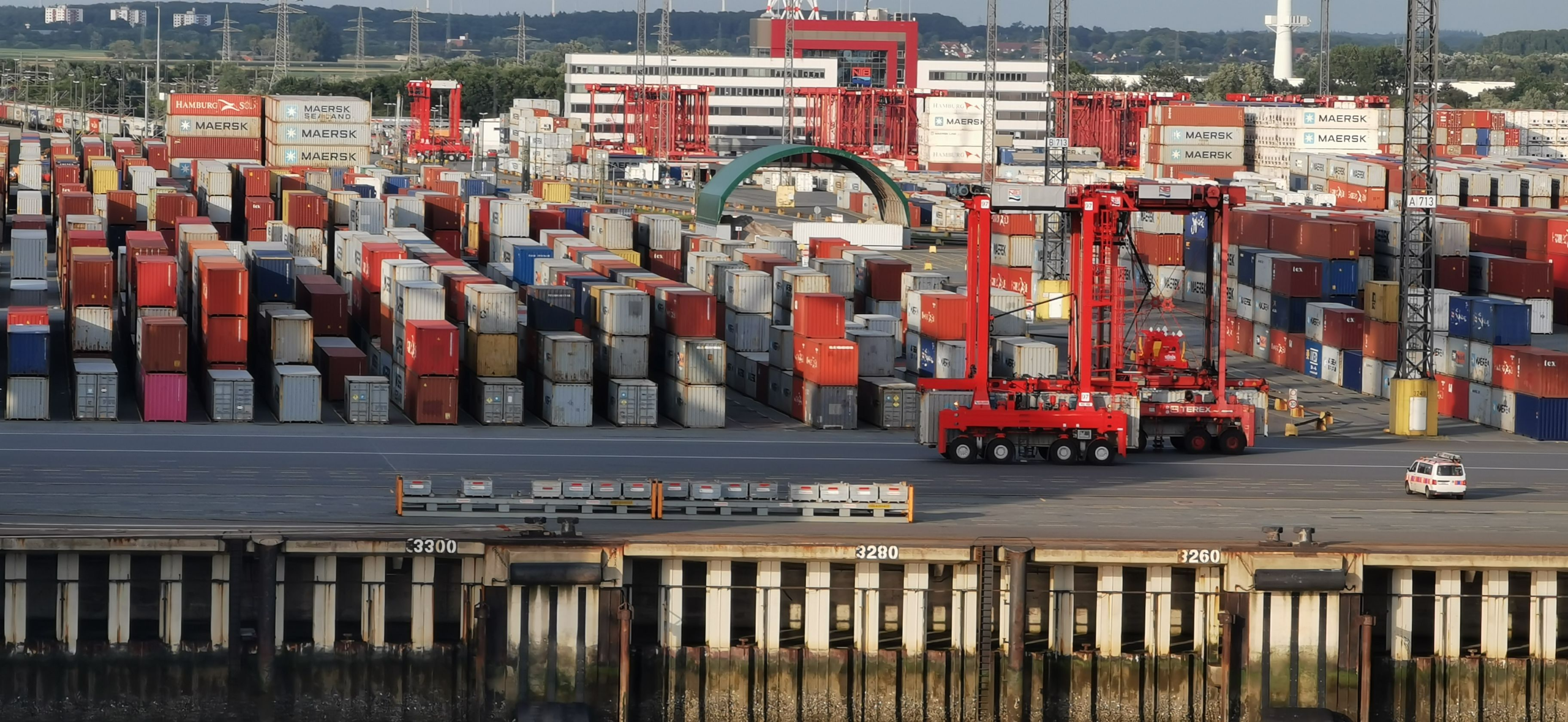
The port’s container operation has an 89,000 sq m terminal and direct road and rail connections. Those transport links make coordinated vessel calls useful for importers and exporters transferring cargo towards other modes, but Portchain Connect is a berth-planning interface, not a newly commissioned rail service or cargo-handling machine.
StormGeo acquired Portchain in October 2026, bringing a berth-planning business into a group active in weather intelligence and voyage optimisation. The ownership change could enable future information sharing between voyage and terminal planning, but Aalborg has announced only its Portchain Connect participation; no separate StormGeo system has been confirmed at the terminal.
The Danish rollout follows a separate Portchain Connect deployment at Euroports Rauma reported on 16 November. Both sites can use comparable scheduling functions, but they have different berth plans, carrier relationships, and local operating constraints. Aalborg is a distinct terminal implementation rather than a new release of the software.
Aalborg’s next measurable results would come from changes in agreed arrival windows, vessel waiting time, or resource utilisation once carrier-terminal exchanges are operating. Portchain has given no deployment timetable beyond the announced network participation and has not published a baseline against which those outcomes can be assessed.