IN Brief:
- Claire’s has opened a 248,000 sq ft distribution centre in Elgin, Illinois.
- The site is designed to reduce handling, improve inventory visibility, and increase speed and accuracy.
- The facility supports a smaller and more dynamic distribution platform for around 900 stores nationwide.
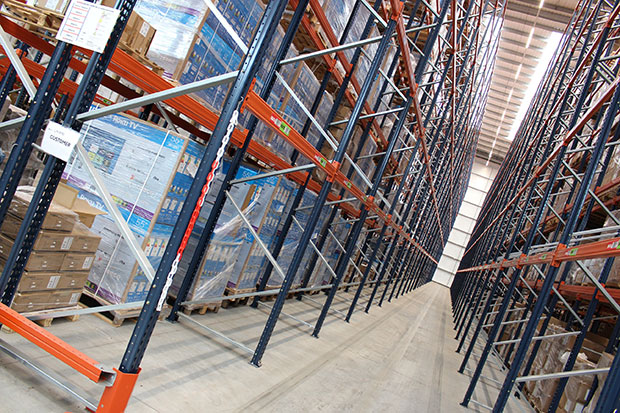
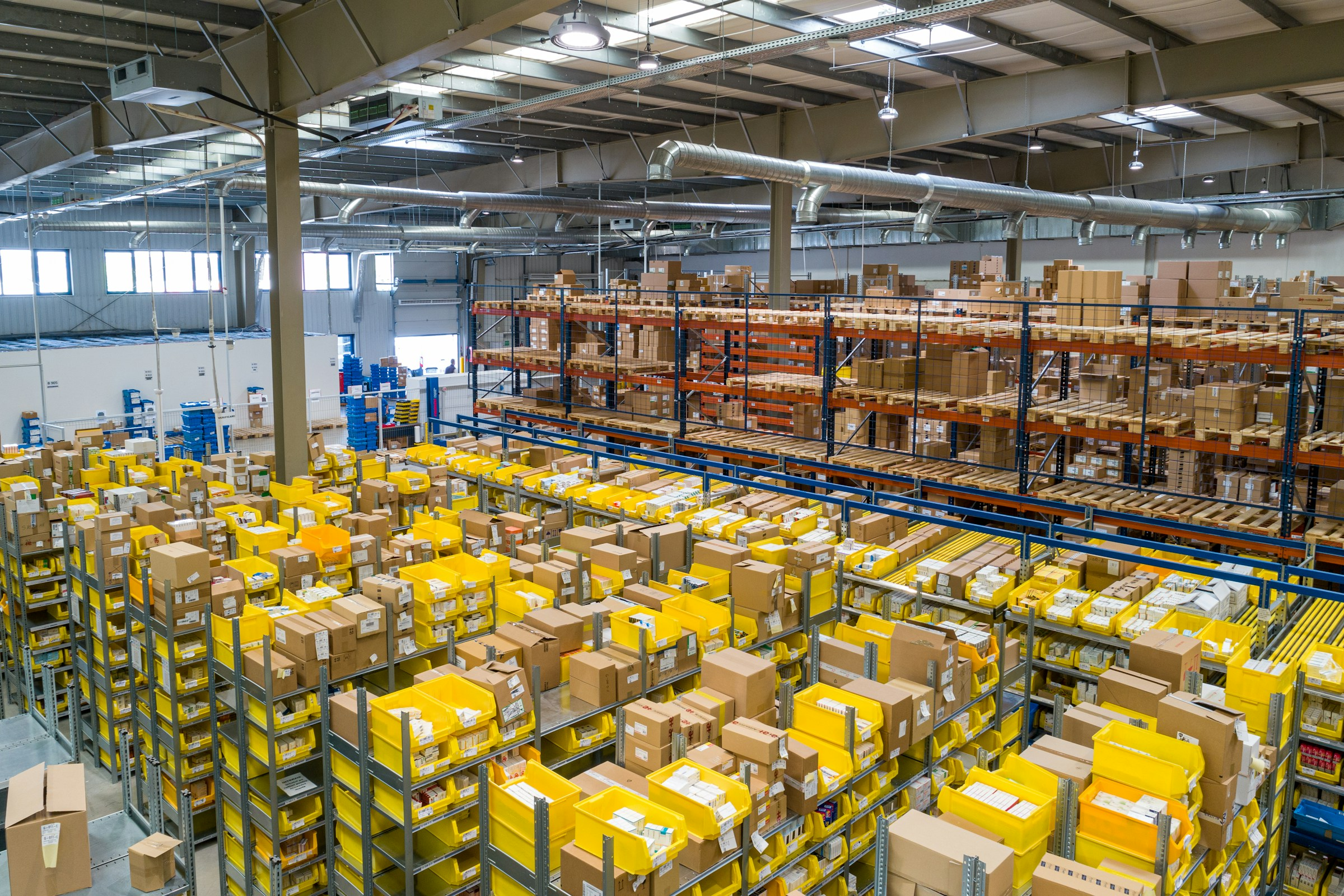
Claire’s has opened a 248,000 sq ft distribution centre in Elgin, Illinois, as part of a wider effort to improve inventory flow, service levels, and operational efficiency across its US store network.
The facility is designed to streamline product movement from receipt to fulfilment, with an emphasis on reducing unnecessary handling, improving inventory visibility, strengthening operational planning, and increasing speed and accuracy. The site will support around 900 stores nationwide.
The Elgin opening forms part of a broader change in the retailer’s operating model, creating a smaller and more dynamic distribution platform. That gives Claire’s more control over the movement of product from inbound transport through to distribution, store replenishment, and customer-facing availability.
Retail distribution centres have become central to brand execution, particularly for chains managing frequent product refreshes, store campaigns, ecommerce activity, and partner channels. Stock has to arrive on time, move through the building quickly, and be visible to planners before it becomes a store-level availability problem.
Accessories and fashion-led retail place particular pressure on inventory accuracy. Product ranges can be seasonal, trend-sensitive, and promotional, while store layouts depend on timely availability of relatively small items across large assortments. A delay in allocation or a mismatch between system inventory and physical stock can affect store presentation, sales timing, markdown exposure, and replenishment decisions.
The Elgin facility follows a wider run of retail logistics investment in the US, with chains opening new distribution capacity, adding automation, and rethinking network design to reduce handling and improve speed to store. The strongest model is not always the largest warehouse; in many cases, a more responsive distribution platform can give better control over inventory flow and service levels.
The demand-response gap visible across EMEA retail supply chains compared with US rivals shows why physical execution still counts. Better demand sensing has limited value when the distribution network cannot move stock accurately and quickly enough to act on that signal.
Reducing handling remains one of the clearest routes to better warehouse performance. Every additional touchpoint adds labour, time, damage risk, and data exposure. A facility designed around cleaner movement from receipt to fulfilment can reduce operational friction and cut the number of places where stock can be misplaced, delayed, or incorrectly processed.
Inventory visibility is just as important. Retailers need to know where stock is, what condition it is in, and when it can be allocated. That visibility supports replenishment, store planning, transport scheduling, and purchasing decisions, while reducing the temptation to compensate for uncertainty by holding excess stock.
Elgin gives Claire’s access to the wider Chicago-area logistics ecosystem, one of the most important freight and warehousing markets in North America. The region brings road connectivity, parcel network access, industrial labour, supplier links, and a large logistics property base, all of which support national distribution.
Retail distribution is also becoming more closely linked to channel strategy. Claire’s has expanded through partnerships, new product categories, and wider retail presence, placing more pressure on the distribution centre to handle routine replenishment, assortment changes, promotional cycles, inbound variability, and demand shifts created by brand partnerships.
The investment shows how physical infrastructure remains central to retail transformation. Digital merchandising, customer engagement, and product strategy still depend on inventory being positioned correctly. Claire’s Elgin facility is a supply chain investment aimed at execution, with performance likely to be judged through inventory accuracy, store service, throughput, labour productivity, and the ability to support growth without adding unnecessary complexity.