IN Brief:
- The Port of Coos Bay has executed a US$25 million federal INFRA grant agreement.
- NorthPoint Development will provide a matching US$25 million for environmental, permitting, and preliminary engineering work.
- The proposed terminal is designed to move nearly all inland containers by rail and handle vessels up to approximately 13,000 TEU.
The Oregon International Port of Coos Bay has executed a US$25 million Infrastructure for Rebuilding America grant agreement, releasing federal funding for the next phase of its proposed Pacific Coast Intermodal Port.
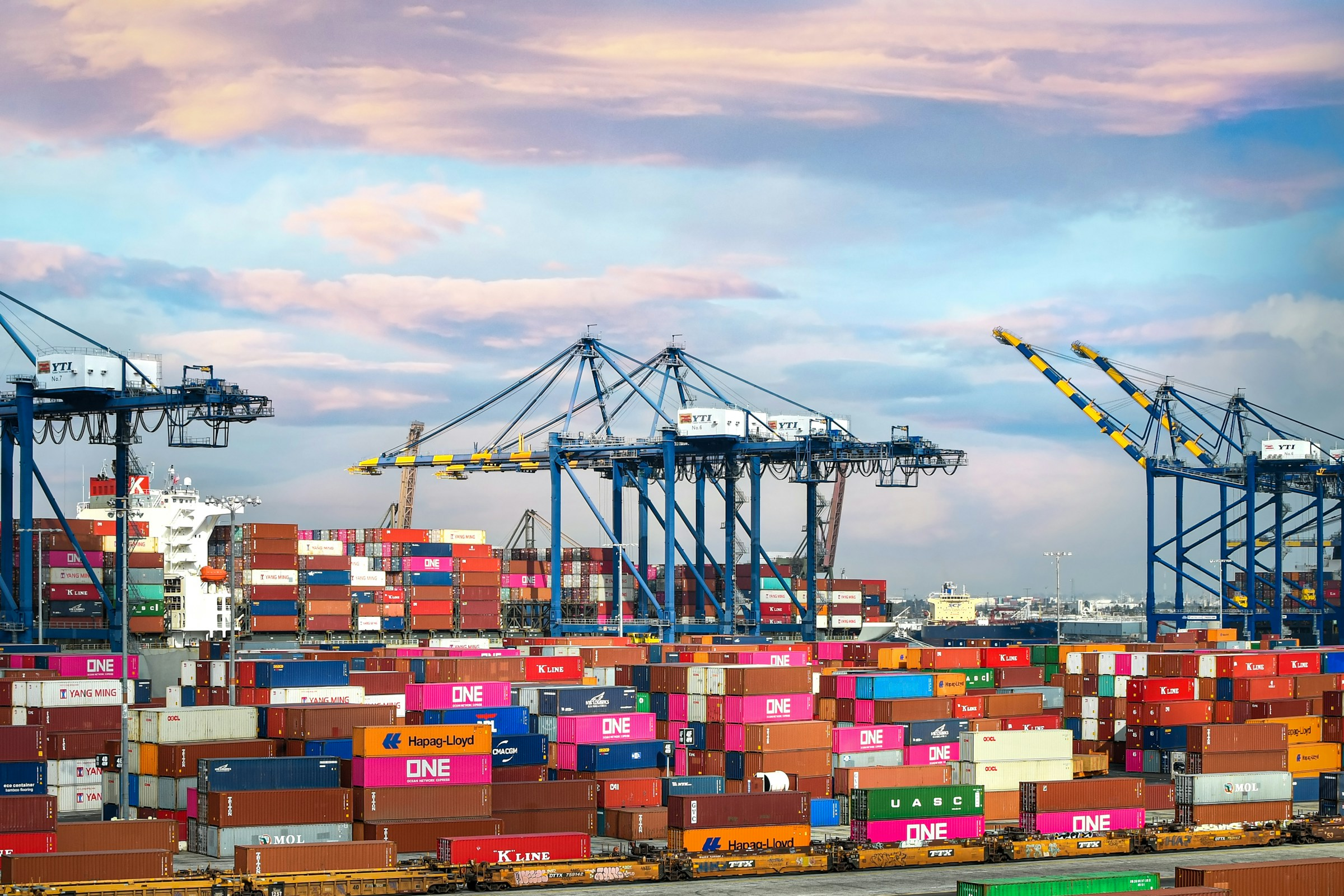
NorthPoint Development will provide a matching US$25 million, creating a US$50 million programme for environmental review, permitting, preliminary engineering, and design. The developer plans to build a multi-berth container terminal on leased port land at Coos Bay’s North Spit.
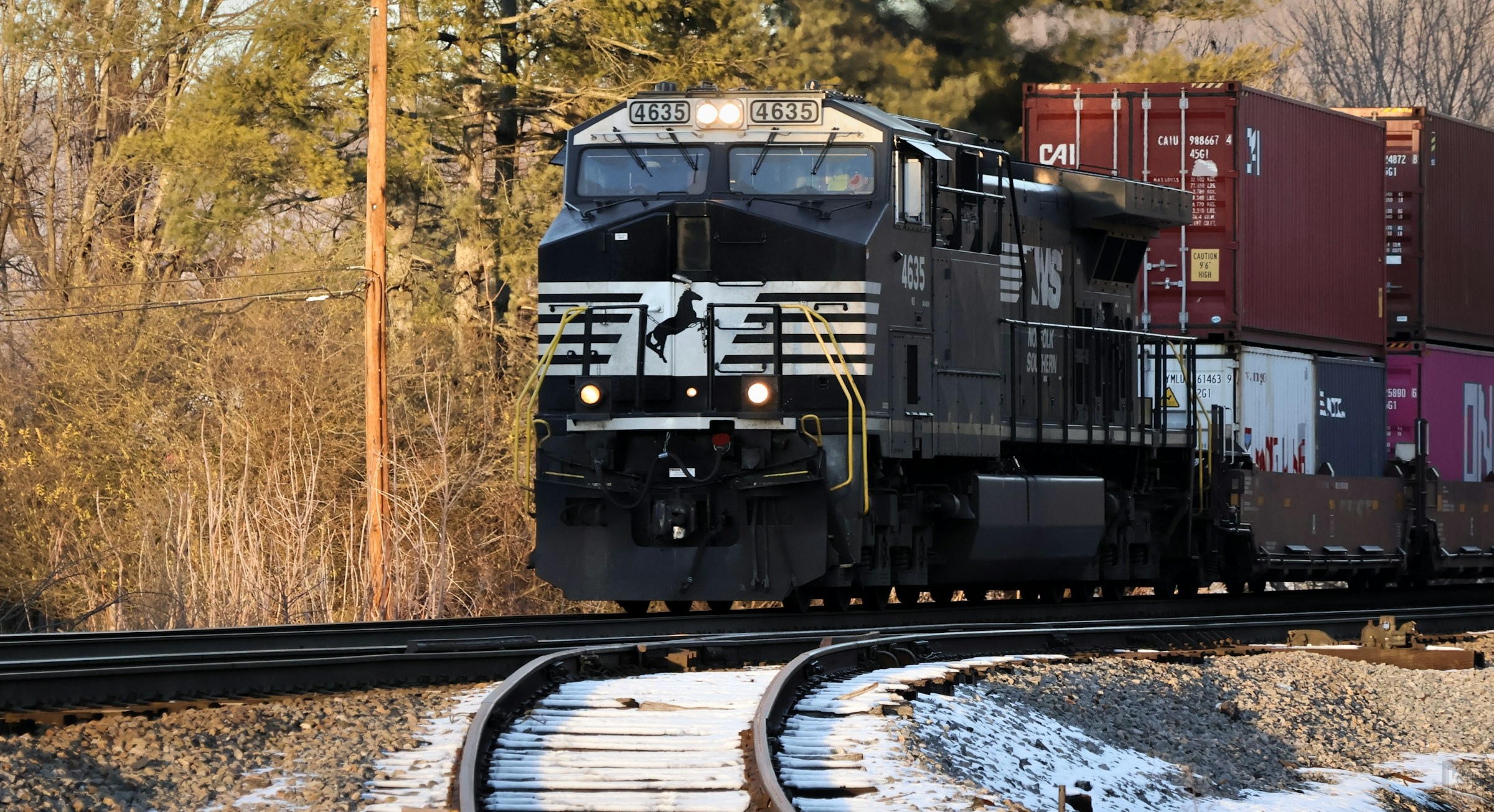
The project is designed as a direct ship-to-rail gateway, with nearly all inland containers expected to move by train rather than through long-distance truck drayage. Its proposed market includes western states and inland destinations across the Midwest.
Planned infrastructure comprises a container yard, rail yard, wharf, berths, navigation-channel works, and extensive upgrades to the Coos Bay Rail Line. Railway tunnels, bridges, track, and sidings would be modified to accommodate double-stack container trains.
The port is targeting Neopanamax vessels of approximately 13,000 TEU, while the complete development carries an estimated build-out cost of about US$2.3 billion. Environmental and permitting work is expected to take around two years, followed by approximately three years of construction once approvals and finance are secured.
The INFRA agreement does not fund the complete terminal, but it supports the engineering and regulatory work needed before final designs and construction contracts can proceed. At this stage, detailed studies will determine how the concept interacts with the channel, rail corridor, local communities, habitats, and surrounding infrastructure.
Coos Bay’s operating model places rail at the centre of the terminal rather than treating it as a later addition. Many container gateways depend on trucks to move boxes between the marine terminal, warehouses, distribution centres, and inland rail ramps, creating several separate handovers.
Direct rail transfer can remove part of that drayage, although it requires sufficient cargo concentration to assemble regular trains. A rail-led port is most effective when carriers, importers, exporters, and inland terminals commit enough volume to support scheduled services in both directions.
The project includes electrified or lower-emission handling systems, with plans covering shore power and electric ship-to-shore cranes. Such equipment can reduce emissions from vessels at berth and terminal machinery, although locomotives, ocean transport, construction, and local road movements remain part of the complete freight footprint.
NorthPoint’s participation connects the development with inland logistics property and major retail supply chains. The company has argued that demand for additional West Coast capacity preceded the extreme congestion experienced during the pandemic, when prolonged port delays disrupted inventories across the United States.
An additional gateway could provide route diversity for importers and exporters serving inland markets, but port competition depends on complete journey performance. Vessel frequency, terminal productivity, rail transit, customs processing, and total landed cost will determine whether cargo owners alter established routings.
Existing West Coast ports benefit from extensive carrier networks, warehouses, rail services, depots, and experienced logistics communities. Coos Bay must develop enough of that surrounding ecosystem to compete with established gateways rather than relying on available waterfront land alone.
The rail proposition becomes strongest where containers travel long distances inland. Double-stack trains can move substantial volumes with fewer drivers and lower emissions per unit than equivalent road haulage, although the service remains dependent on railway paths, locomotive and wagon supply, interchange performance, and inland-terminal capacity.
Similar principles underpin the rebuilt Barking Eurohub terminal in the UK, where rail infrastructure provides another route for high-volume international freight. In both cases, terminal capacity derives from coordinated vessel or cross-border services and dependable inland connections.
Coos Bay has already secured other public commitments, including rail and port-development grants and support from the Oregon Legislature. Those awards fund specific elements of the programme but leave a substantial financing requirement before the complete terminal can be constructed.
The port’s rural location provides space and fewer urban land constraints, while also creating demands around workforce, housing, roads, utilities, and local services. A development employing thousands of construction workers and permanent staff would alter the surrounding economy as well as the national freight network.
Environmental review will examine dredging, channel works, rail upgrades, habitat effects, construction disturbance, emissions, and community impact. Large marine projects frequently change during that process as designs are revised to meet regulatory or engineering requirements.
Formal execution of the grant allows those questions to be examined through funded technical work. It does not settle the final investment decision, carrier commitments, or construction finance, but it converts the ship-to-rail proposal into a more detailed engineering and permitting programme.
The terminal’s commercial case will rest on whether it can offer a reliable alternative to established West Coast gateways. Completed environmental work, secured finance, rail agreements, and commitments from shipping lines and cargo owners will carry more weight than nominal capacity during the next stage.