IN Brief:
- GXO will operate Debenhams Group’s retained Burnley fulfilment site after the peak period.
- Debenhams sold the Sheffield distribution centre automation and assigned its lease to Primark for £90m.
- The Burnley transition is planned for early 2027, with more than 1,200 jobs expected.
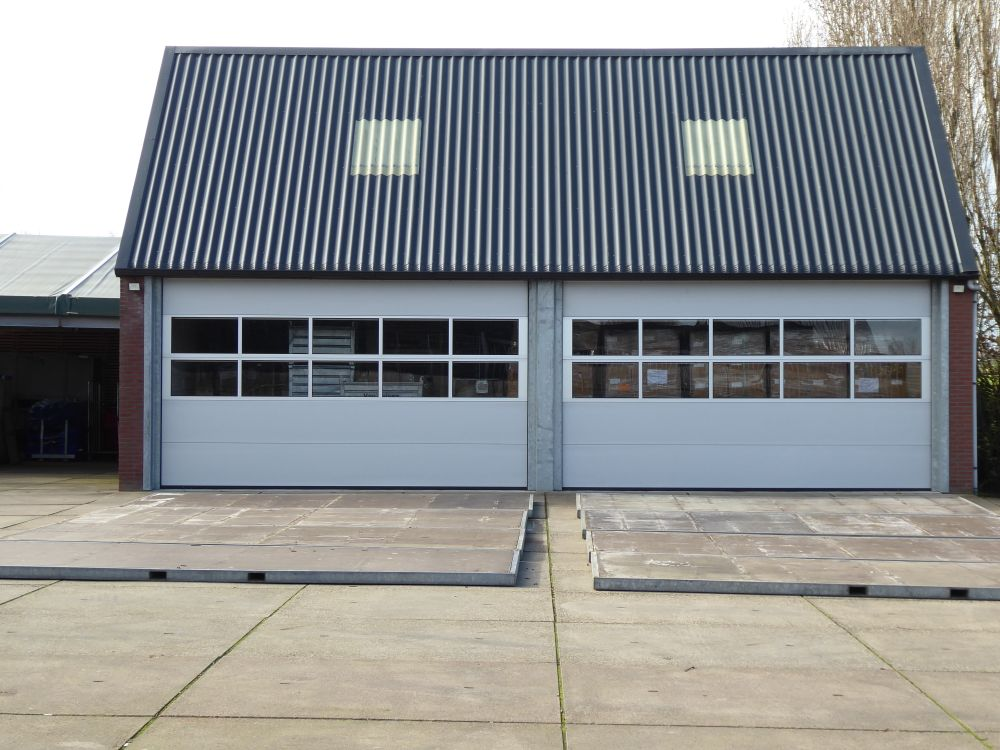
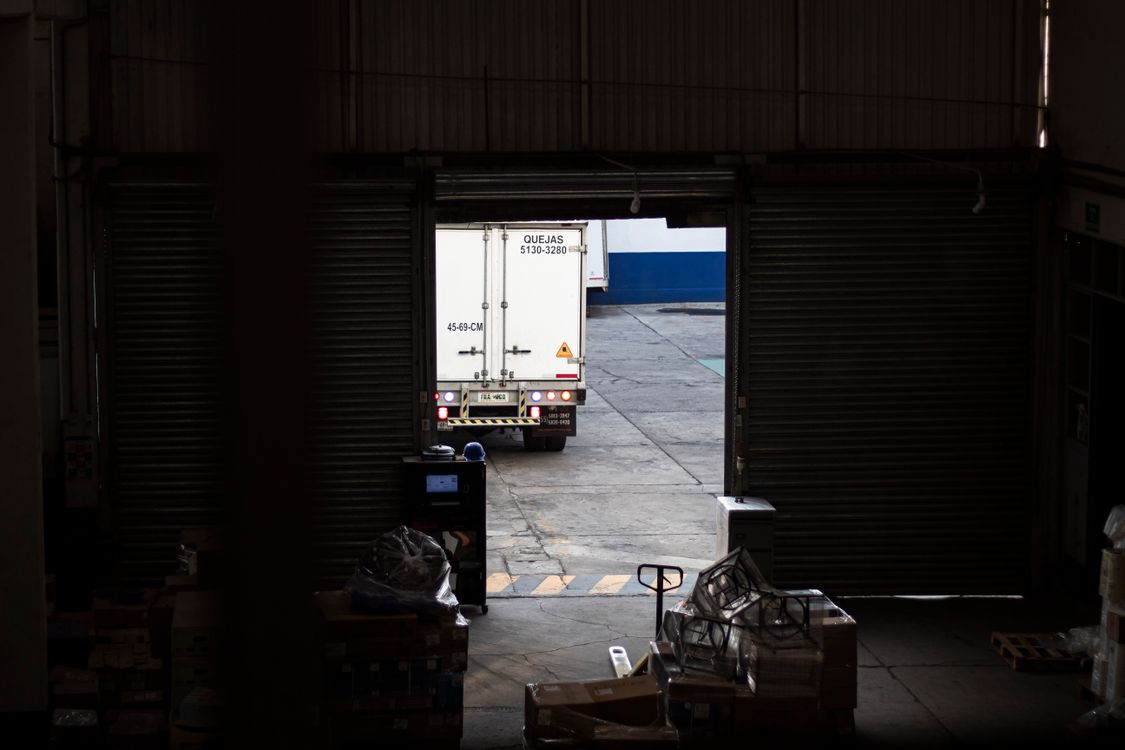
Debenhams Group has appointed GXO as its third-party logistics partner for a planned transfer of fulfilment operations from Sheffield to Burnley, reversing an earlier decision to dispose of the Lancashire distribution site. The transfer is expected after the retail peak period, with the Burnley operation scheduled to resume in early 2027. More than 1,200 jobs are expected to be created as warehouse and distribution activity returns to the town.
The group completed the £90 million sale of automation equipment at Sheffield and assignment of the associated lease to Primark on 10 September. It received £76.5 million at completion, with the remaining £13.5 million conditional on providing vacant possession in early 2027. Debenhams expects Sheffield to continue handling its orders through the peak trading period while GXO prepares the Burnley operation, so the October logistics appointment is distinct from the earlier property transaction.
GXO will operate the retained Burnley site under a new agreement covering the group’s global third-party distribution. Debenhams Group owns brands including Debenhams, boohoo, PrettyLittleThing, Karen Millen and MAN, combining stocked merchandise with an expanding marketplace proposition. The company says total fulfilment costs under the planned arrangement should be no higher than those incurred at Sheffield, while access to GXO’s network offers more options to expand its fulfilment services.
Debenhams expects its total cost of fulfilment under the GXO arrangement to be no higher than at Sheffield, but it has not provided contracted rates or comparable cost measures. Moving an active operation also requires inventory records, order management interfaces, staff training, carrier collections and returns processing to work at the receiving site before volume is transferred. Incorrect stock locations or unmatched order statuses during a cutover can delay shipments despite sufficient warehouse space. Neither partner has disclosed the detailed migration sequence.
At 31 August, Debenhams had classified the Burnley site as held for sale in its interim accounts. The directors reversed that decision after the September Sheffield transaction and decided to retain Burnley as the future fulfilment centre. That decision changes the property’s subsequent accounting treatment but does not establish that all warehouse equipment, systems and staffing are ready for early-2027 operations. The company says its forecast of negligible net debt at year-end does not depend on receiving any proceeds from a Burnley disposal.
Debenhams operated distribution activity in Burnley for more than a decade before moving significant capacity elsewhere. In 2025, plans to close the Burnley centre placed more than 1,200 positions at risk. Burnley Council established a taskforce with local employment, training and business partners to assist affected employees. The council now plans to reactivate that arrangement as recruitment for the returning operation develops, linking the warehouse transition to a substantial local workforce programme.
GXO has already started recruiting for the site, according to the council. The expected jobs figure describes the anticipated employment associated with the return, not an existing payroll or a guarantee that all vacancies have been filled. Skills requirements are likely to vary across warehouse operations, supervision, stock control, maintenance and support services, with actual staffing levels depending on the final operating model and the distribution volumes assigned to the site.
Debenhams has been shifting towards a marketplace-led model with less capital tied up in directly owned operations. Under the new arrangement it will retain the Burnley property while GXO takes responsibility for the warehouse’s day-to-day execution. That distinction matters to the accounting and operating model: the group retains an important physical asset, but the external provider supplies operational management. The partners have not made public the contract’s charging formula, volume guarantees or service penalties.
GXO’s wider network may also be used to extend Fulfilled by Debenhams and Delivered by Debenhams services to more marketplace business. Additional customers would require agreed rules for inventory ownership, stock allocation, order routing, delivery promises and reverse logistics. Capacity at Burnley has not been quantified in the new contract disclosure, and neither party has set out a timetable for expanding the marketplace services through GXO’s international locations.
The £13.5 million final Sheffield payment depends on handing over the premises after the relocation. That creates a defined financial endpoint for the transition as well as an operational deadline for transferring inventory, information systems and carrier arrangements. Primark has acquired the automation assets and lease interest, but Debenhams’ existing Sheffield fulfilment work is expected to continue until the post-peak move is ready. A completed property transaction should not be confused with a completed logistics migration.
For the six months to 31 August, Debenhams reported £19.7 million of statutory EBITDA and £28.3 million profit before tax. Those figures predate recognition of the Sheffield disposal and include other accounting effects; they are not a measure of savings from the GXO contract. Together with the £90 million sale and a separate disposal of Nasty Gal, management expects the transactions to reduce net debt to negligible levels by the end of February 2027. The remaining warehouse changes are therefore part of both a distribution restructure and a balance-sheet programme.
GXO has begun recruitment, while the site must be prepared and stock and order systems transferred before Burnley can assume the existing Sheffield workload. The first sustained operating period after the move will establish whether costs, order accuracy and delivery performance meet Debenhams’ expectations. Until then, the signed logistics appointment and retention of the Burnley property are confirmed; the scale of employment and operating benefits remains prospective.