IN Brief:
- Neovia’s new Genk facility supports a customer in industrial, infrastructure and energy technology.
- The operation covers receiving, stock control, picking, packing, light assembly and outbound coordination.
- Neovia has not disclosed the customer’s identity, floor area, investment or throughput targets.
Neovia Logistics has opened a regional distribution centre in Genk, Belgium, to manage European inventory and order fulfilment for an unnamed global technology customer serving industrial, infrastructure and energy markets. The contract covers goods receipt, warehousing, stock control, picking, packing, light assembly, product configuration and outbound logistics coordination. The facility is operational, although Neovia has not disclosed its floor area or investment cost.
The site is part of the Genk logistics hub near the Albert Canal, with access to established road and multimodal freight infrastructure. Neovia has not identified the building, the volume of traffic allocated to individual modes or any contracted barge or rail services. Its proximity to the canal creates a possible connection to inland waterway transport, but that location alone does not demonstrate that the customer is using barges for inbound goods or European deliveries.
Daily work at the site includes goods receipt, inbound handling, storage, stock record management, order picking, packing and dispatch. Neovia also undertakes cycle counts to check recorded quantities against physical stock. Such checks are particularly relevant to industrial distribution, where a missing component can interrupt an installation or service operation despite the overall warehouse holding considerable inventory. Accurate stock records are a prerequisite for promising delivery dates to customers across different European markets.
Neovia will also carry out light assembly, product configuration and specialist handling before selected goods are despatched. Products can therefore receive a customer-specific preparation step at the distribution centre instead of arriving in every required final configuration from the original manufacturing site. The company has not identified the particular equipment, assembly activities or tests involved; there is no disclosed basis for attributing firmware installation, electrical certification or other specific processes to Genk.
A configuration operation requires inventory records to distinguish incoming components or standard products from items prepared for a particular customer order. It can reduce the need to stock every finished variation if components remain interchangeable until demand is known. The alternative is that assembly and packing tasks become another stage where quantities, serial identities or configurations may be recorded incorrectly. Neovia has not stated which traceability system, verification steps or product handling standards it uses for this contract.
Outbound consignments will be prepared at Genk and handed to transport providers servicing the customer’s European network. Reliable handover depends on accurate stock selection, packing information, labels and shipment instructions, while transport routing and final delivery performance depend on the carriers and services used. Neovia has not published the route structure, delivery frequency, carrier names or service targets, so the opening cannot yet be linked to a specific reduction in transit times.
Neovia identifies the customer only as a global technology business serving industrial, infrastructure and energy markets. Its exact product range has not been disclosed, and the requirements for small components could differ considerably from those for assembled systems or replacement equipment. The release does not establish that the new facility has temperature-controlled areas, dangerous-goods permits or specialist high-value handling arrangements. Any of those capabilities would require separate evidence before being included in the facility specification.
Holding inventory inside Europe can reduce the distance between stock and some customers compared with dispatching every order from a remote global hub. Faster replenishment is not automatic: it depends on which products are stocked, the location of demand, incoming shipment reliability and the transport service selected. A regional warehouse can raise service availability while also creating another position in which working capital and slow-moving inventory must be monitored.
Neovia says the Genk operation is already active and supports the customer’s current European requirements. Its responsibilities extend from inventory accuracy and warehouse processes to the coordination of outbound flows, rather than merely providing floor space. The company has not supplied an opening investment figure, employee count, warehouse area or order throughput forecast, meaning the facility’s scale cannot be independently compared with other recent logistics projects on the basis of disclosed capacity.
The Genk opening follows Neovia’s July 2026 announcement of a facility in Ennery, France, for a separate heavy-equipment customer. The Belgian operation serves an unnamed technology business and should not be conflated with that contract. Both sit within the company’s European industrial-logistics footprint, but the customers, goods handled and services required differ. Neovia has not announced that inventory or orders will be transferred between the facilities.
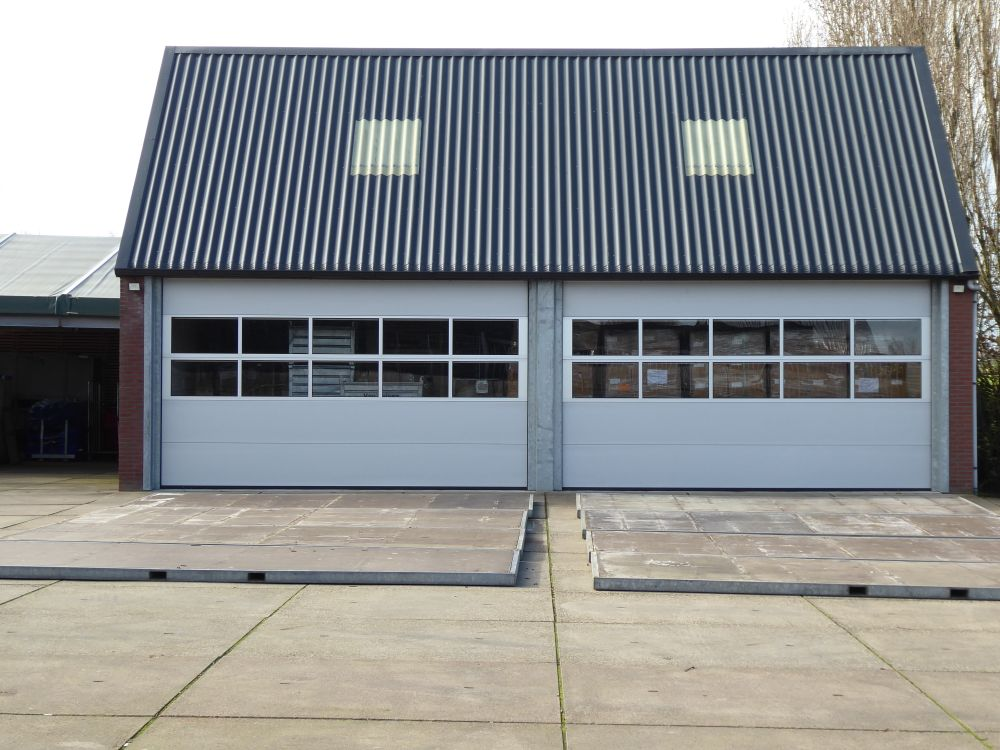
Neovia describes the Genk property as suitable for modern logistics operations and highlights the site’s multimodal setting. Neither a measured building energy result nor an emissions reduction attributable to the customer contract has been provided. Assessing any environmental benefit would require the actual energy demand of the warehouse, vehicle movements and freight modes used, rather than assumptions from the site’s location or specification.
Genk is already handling regional distribution responsibilities, including warehouse processes and preparation of customer-specific goods. Published figures do not establish workforce size, throughput, investment value or delivery-time performance, and the customer remains unnamed. Future operating data would allow its European service role to be measured; for now, the confirmed development is an active distribution facility with warehouse, configuration and outbound coordination functions.