IN Brief:
- DHL Global Forwarding has introduced a three-times-weekly Bangkok-Cincinnati freighter operation.
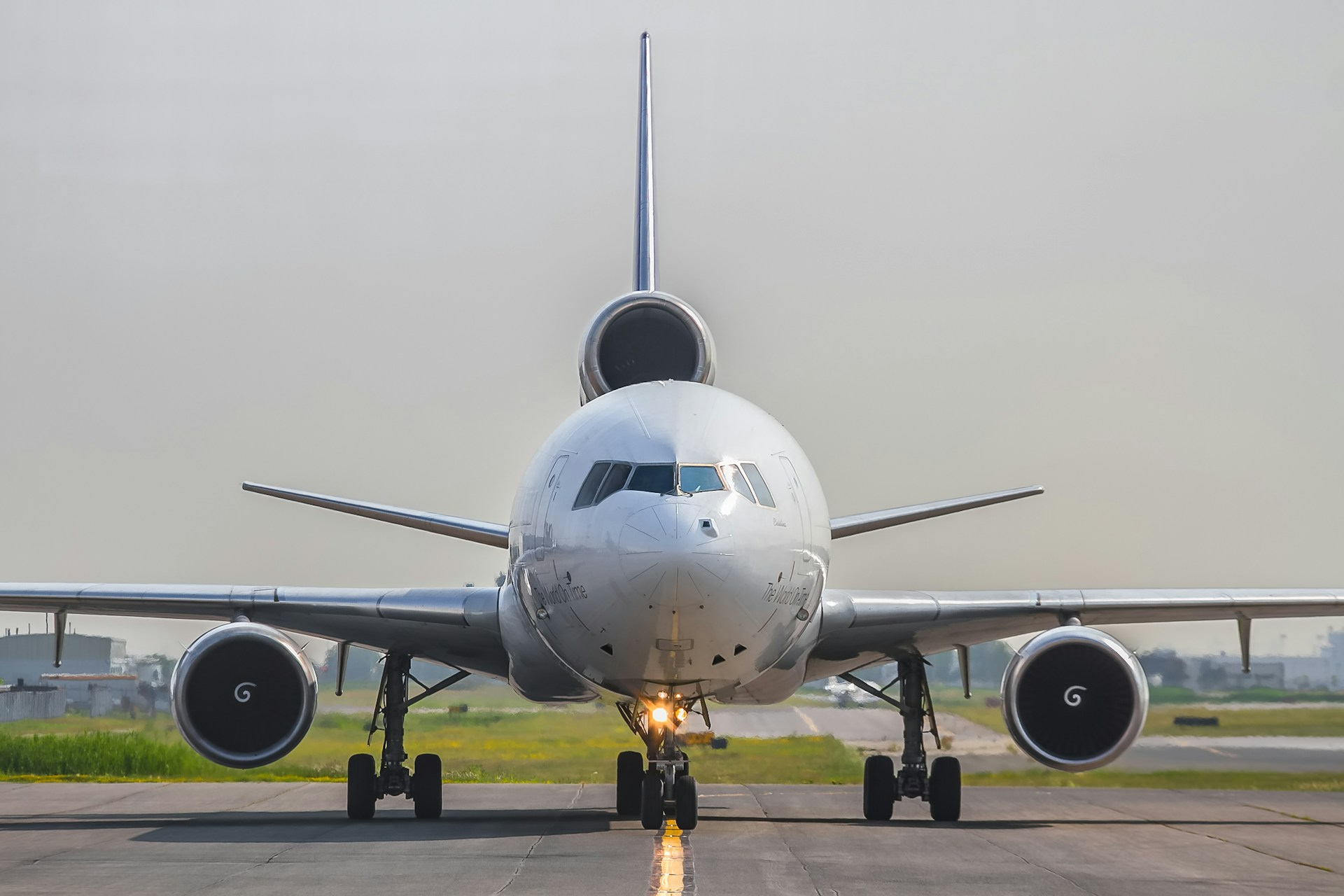
- The service offers up to 100 tonnes of widebody freighter capacity per flight.
- Additional network coverage from Hanoi and Taipei connects cargo into Cincinnati and Chicago gateways.
DHL Global Forwarding has launched a dedicated Bangkok-Cincinnati airfreight service, adding controlled Transpacific capacity between Southeast Asia and the United States at a time when manufacturers are placing greater value on secured lift and predictable gateway access.
The three-times-weekly operation forms part of DHL’s TransPac Connect solution and offers up to 100 tonnes of widebody freighter capacity per flight. Road feeder services extend coverage across the United States, while additional access from Hanoi and Taipei connects cargo into Cincinnati and Chicago gateways.
The service is aimed at high-value, oversized, and time-sensitive cargo moving from Southeast Asian manufacturing centres into North America. Electronics, semiconductors, automotive components, machinery, medical devices, and consumer technology supply chains have all increased their exposure to the region as companies diversify production and sourcing footprints across Asia.
Cincinnati gives the service an inland US gateway rather than a coastal-only entry point. That can improve access to central and eastern distribution networks, particularly where airport-to-airport transit is only one part of the delivery equation. The combination of main-deck capacity and inland road feeder coverage gives shippers a more controlled option for cargo that cannot wait for slower ocean routes or fragmented ad hoc uplift.
DHL is building the service into a broader controlled-capacity strategy across Asia, Europe, and the Middle East, including rotations through Frankfurt, Liège, Amsterdam, and Hong Kong. Dedicated capacity is increasingly used to reduce exposure to spot-market volatility, especially when disruption moves quickly between ocean freight, airfreight, and inland transport networks.
The pressure behind that strategy is already visible in container rate volatility and renewed cost pressure on ocean lanes. When sea freight becomes slower, more expensive, or less reliable, manufacturers often move urgent components, spare parts, samples, and high-margin goods into airfreight. That modal shift can happen quickly, making predictable freighter access more valuable than a theoretical spot-market option.
Southeast Asia’s manufacturing role is also changing. Vietnam, Thailand, Malaysia, and neighbouring markets are no longer treated only as secondary sourcing locations. They are becoming deeper production bases for electronics, industrial goods, automotive components, apparel, and consumer products, which increases the need for regular air cargo connections into North America and Europe.
Dedicated freighter operations carry their own commercial discipline. Consistent loads are needed to sustain the service, while customers need confidence that capacity will remain available when demand tightens. DHL’s model seeks to balance those requirements by providing structured access to lift rather than relying on last-minute market availability.
The Bangkok-Cincinnati corridor gives manufacturers another route through a trade environment shaped by tariffs, inventory recalibration, and uneven demand. It also strengthens the logistics infrastructure around Southeast Asia’s growing production base, where airfreight is no longer used only for emergencies but for planned movements of goods with high value, short delivery tolerance, or production-critical status.