IN Brief:
- The development occupies an 83,000m² site beside Antwerp's major container terminals.
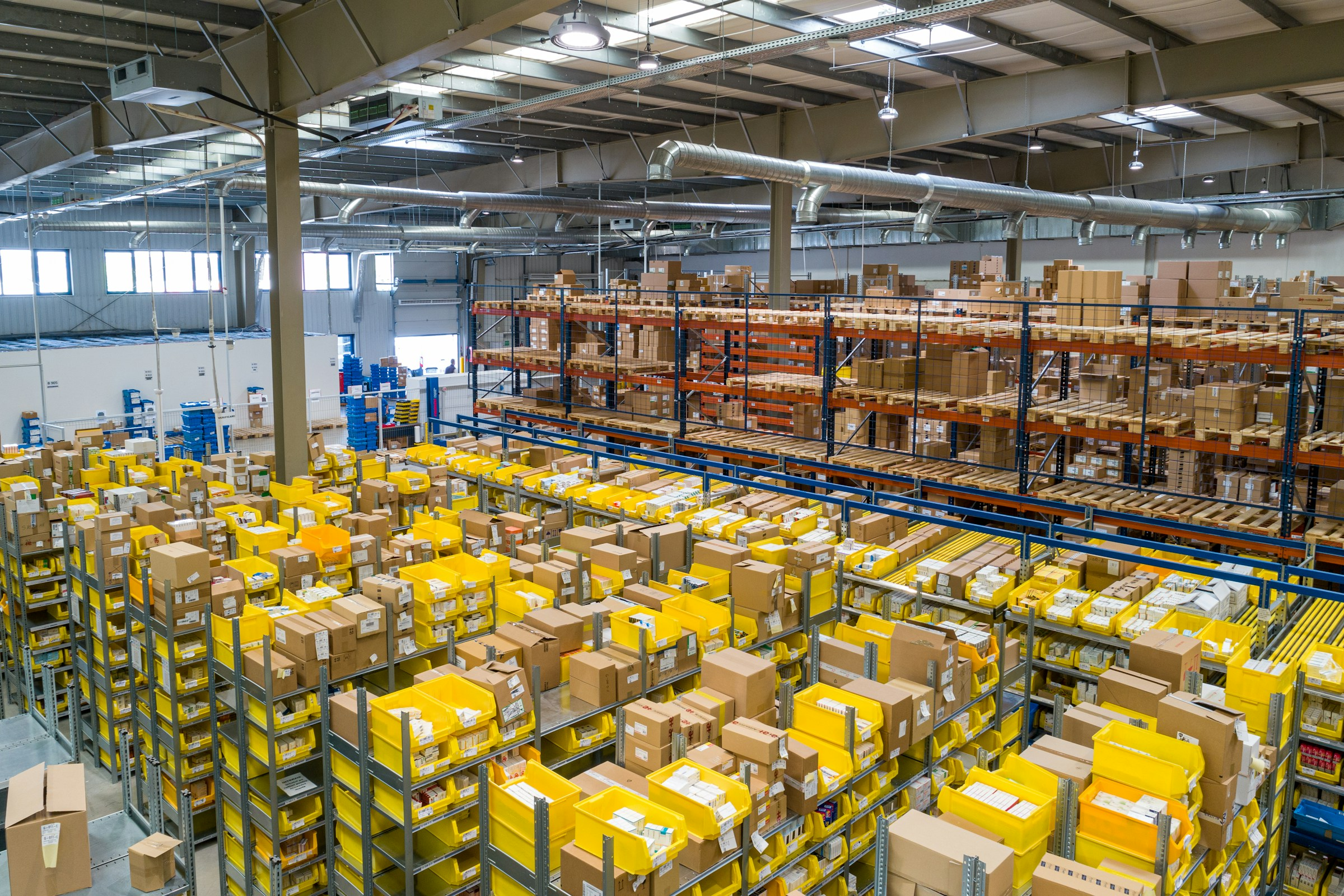
- More than 55,000m² of warehouse, mezzanine, and office space will include temperature-controlled capacity.
- Construction is expected to begin in Q2 2027, with completion targeted for Q2 2028.
DP World is preparing a temperature-controlled logistics hub beside Antwerp Gateway, adding more than 55,000m² of specialist warehouse, mezzanine, and office space to one of Europe’s largest container-port clusters. The development occupies an 83,000m² site and will combine port-related distribution with refrigerated capacity and multimodal access.
The project is being developed by logistics-property specialist Montea, with construction expected to begin in the second quarter of 2027 once the necessary permits are obtained. Completion is currently scheduled for the second quarter of 2028, and the facility is intended to operate under a long-term lease.
Its location is central to the operating case. Antwerp handles large volumes of refrigerated, pharmaceutical, chemical, food, and other specialist cargo, while warehousing positioned close to the container terminals can reduce the distance and number of handovers between vessel discharge and controlled storage.
Temperature-sensitive logistics is particularly vulnerable during those intermediate movements. A refrigerated container can maintain its set point while connected to terminal power, but cargo becomes more exposed when it is stripped, inspected, consolidated, repacked, or transferred between facilities. Keeping specialist storage close to the terminal shortens that part of the chain.
The building is being designed with partial refrigeration rather than as one uniform cold store. That reflects the variety of cargo moving through a large European gateway, where different products require chilled, ambient, controlled-room-temperature, or other specific operating conditions rather than a single low-temperature environment.
Healthcare and pharmaceutical logistics place additional requirements on the operation. Temperature control has to be accompanied by documented processes, monitoring, traceability, security, and reliable exception handling. A technically capable building provides the physical infrastructure, but operational qualification and validated handling processes determine whether the site can support the most demanding regulated flows.
Fresh and perishable goods create another set of requirements. Their value can deteriorate rapidly when dwell time increases, so the logistics objective is often to minimise unnecessary storage and transfer rather than simply provide more refrigerated floor space. Port proximity becomes useful when inbound containers can be moved into controlled handling areas quickly and released to inland distribution without an additional journey to a remote warehouse.
The site will also benefit from Antwerp’s multimodal freight network. Road remains essential for short-haul and time-sensitive distribution, but rail and inland waterways provide alternatives for larger consolidated flows into European markets. The practical value is the ability to select a mode around destination, service requirement, and shipment size rather than forcing every movement onto trucks.
That flexibility can become more important as road congestion, driver availability, fuel costs, and emissions requirements affect transport planning. Barge or rail will not suit every temperature-controlled shipment, particularly those with narrow delivery windows, but locating the warehouse near established multimodal infrastructure increases the number of workable options.
Antwerp Gateway itself is continuing to handle rising container volumes. DP World reported record throughput of 2.47 million TEU during 2025, up 8.6% year on year, while investment continues in terminal capacity, equipment, automation, and yard productivity.
Growth at the terminal creates a larger potential cargo base for neighbouring logistics operations, but it also increases the importance of coordination. A warehouse beside a busy container terminal gains little from its location if trucks wait excessively, containers are unavailable when booked, or terminal and warehouse systems operate from different information.
Port-centric logistics therefore depends increasingly on data as well as distance. Warehouse teams need accurate container availability and arrival information, while terminal and haulier systems need clear collection and delivery schedules. Shortening the physical journey makes poor information flows more visible rather than removing them.
The development is also targeting a minimum BREEAM Excellent certification. That is particularly relevant for temperature-controlled operations because refrigeration and environmental-control systems can create substantial continuous energy demand. Building fabric, refrigeration technology, power management, and equipment efficiency will all influence operating cost over a long lease period.
DP World already positions cold-chain logistics as part of a broader end-to-end network combining temperature-controlled storage, transport, monitoring, and multimodal services. The Antwerp development gives that strategy a physical location immediately beside a major European container terminal rather than relying on specialist facilities further inland.
The project fits the wider move by port operators into services beyond the quay. Container handling remains fundamental, but warehousing, freight forwarding, inland transport, and contract logistics give terminal groups more control over the time and cost between vessel arrival and the customer’s next supply-chain stage.
Temperature-controlled cargo provides a strong test of that model because handovers are both expensive and operationally sensitive. Fewer kilometres between terminal and warehouse can reduce risk, but only if temperature records, customs processes, equipment availability, and transport bookings remain aligned throughout the movement.
Construction is still some distance away, so the final technical configuration and customer mix will determine how specialised the operation becomes. The site and timetable are already defined, however, giving Antwerp Gateway a planned logistics facility of more than 55,000m² immediately beside its terminal network.
When operations begin, the meaningful measure will not be warehouse area alone. It will be whether the port, cold store, and inland network function as one controlled movement, cutting dwell and unnecessary handling for cargo that has little tolerance for either.