IN Brief:
- Verdi has called 24-hour warning strikes across businesses at six northern German seaport locations.
- The union is seeking an 8.2% hourly wage increase, including a minimum €2.50-an-hour rise.
- Employers have offered a 5.1% increase over 19 months alongside higher holiday payments and some allowances.
Verdi has called 24-hour warning strikes across businesses at six German seaport locations as wage negotiations with port employers remain unresolved after two bargaining rounds.
The action covers Hamburg, Bremerhaven, Bremen, Wilhelmshaven, Emden, and Brake. Employees at some terminals were called out from Monday night, while other stoppages begin with early shifts on Tuesday, meaning the disruption moves through the northern German port network rather than beginning simultaneously at every facility.
Around 11,000 employees are covered by the negotiations. Verdi is seeking an 8.2% rise in hourly pay over 12 months, with a minimum increase of €2.50 an hour intended to produce a larger proportional improvement for lower-paid workers.
Employers represented by the Zentralverband der deutschen Seehafenbetriebe have offered a 5.1% increase over a 19-month term. Their proposal also includes higher holiday payments and additional allowances for some employees, including workers in container operations.
The length of the agreement is one of the central points of disagreement. A 19-month settlement gives employers greater certainty over labour costs, while Verdi argues that employees would remain tied to the negotiated rate for too long. The union also considers the proposed improvement for lower wage groups insufficient.
More than 6,100 workers participated in a union survey on the offer, with a large majority rejecting it. The warning strikes are intended to increase pressure before a third negotiating date is agreed rather than beginning an indefinite shutdown.
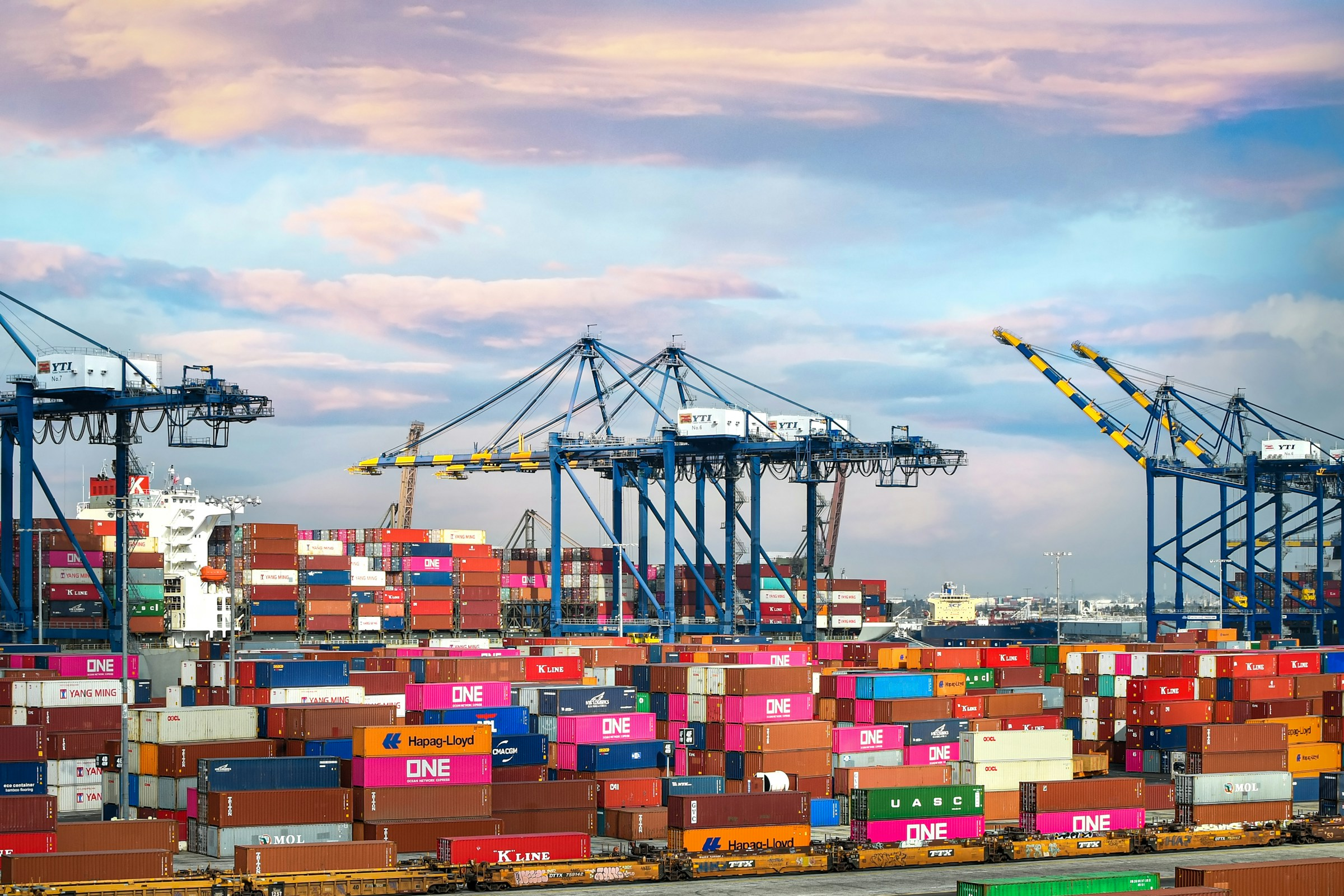
For cargo owners, however, a formally limited strike can produce effects beyond the 24 hours written into the call. Port activity is sequenced around vessel windows, terminal labour, rail slots, truck appointments, crane allocation, and yard capacity. When one part of that sequence stops, the delayed work does not disappear when the workforce returns.
Import containers can remain unavailable for collection, export boxes can miss their intended loading sequence, and vessels can lose berth windows that are difficult to recover without affecting later calls. Terminals then have to clear delayed work while handling the cargo already due to arrive on the following shift.
Hamburg, Bremerhaven, and Wilhelmshaven are particularly important for containerised traffic serving German and Central European manufacturing and distribution networks. Bremerhaven is also a major automotive gateway, while Bremen, Brake, and Emden handle combinations of bulk, breakbulk, vehicles, project cargo, and industrial commodities.
The disruption therefore extends beyond imported consumer goods. Factories relying on components, exporters moving machinery, automotive producers, agricultural businesses, and heavy-industry customers all depend on port schedules and inland connections remaining sufficiently predictable to synchronise with their own operations.
Rail and road networks can inherit the problem even after a terminal formally reopens. Missed train paths cannot always be recreated immediately, while hauliers may face concentrated collections, unavailable appointment slots, driver-hours constraints, and warehouse receiving schedules that were planned around the original port availability.
That backlog effect is why port industrial action can become more expensive than the headline duration suggests. A vessel delayed by several hours may later arrive outside the working window at another terminal, while a container released one day late can miss a production delivery or force a customer to use a more expensive transport option inland.
German gateways also operate within a competitive North European port system. Shipping lines can route services through Hamburg, Bremerhaven, Rotterdam, Antwerp-Bruges, or other ports depending on the network, while inland cargo owners may have more than one viable gateway. A single day of disruption is unlikely to cause wholesale rerouting, but repeated instability makes alternative port options more attractive for traffic where the inland cost difference is manageable.
The current dispute has not reached that stage, and the action remains a warning strike. Its significance lies in what happens next: whether a third bargaining round produces movement on wages and contract length, or whether further industrial action adds another source of unreliability to already complicated shipping schedules.
In the meantime, businesses using the six ports need terminal-specific information rather than assuming a uniform closure. Shift patterns and individual operations differ, while the backlog left behind can matter as much as the hours during which no work takes place.
Ports usually recover faster on paper than in the supply chains connected to them. The workforce can return at the end of a 24-hour stoppage; the containers, trains, trucks, vessels, and customer schedules displaced during that period still have to be put back into sequence.