IN Brief:
- Hong Kong Air Cargo has become Navi Mumbai International Airport's first international cargo carrier.
- Three weekly A330-200F flights are planned between Hong Kong and Navi Mumbai, carrying about 60 tonnes per service.
- NMIA is developing specialist cargo handling, digital freight processes, and further international freighter connections.
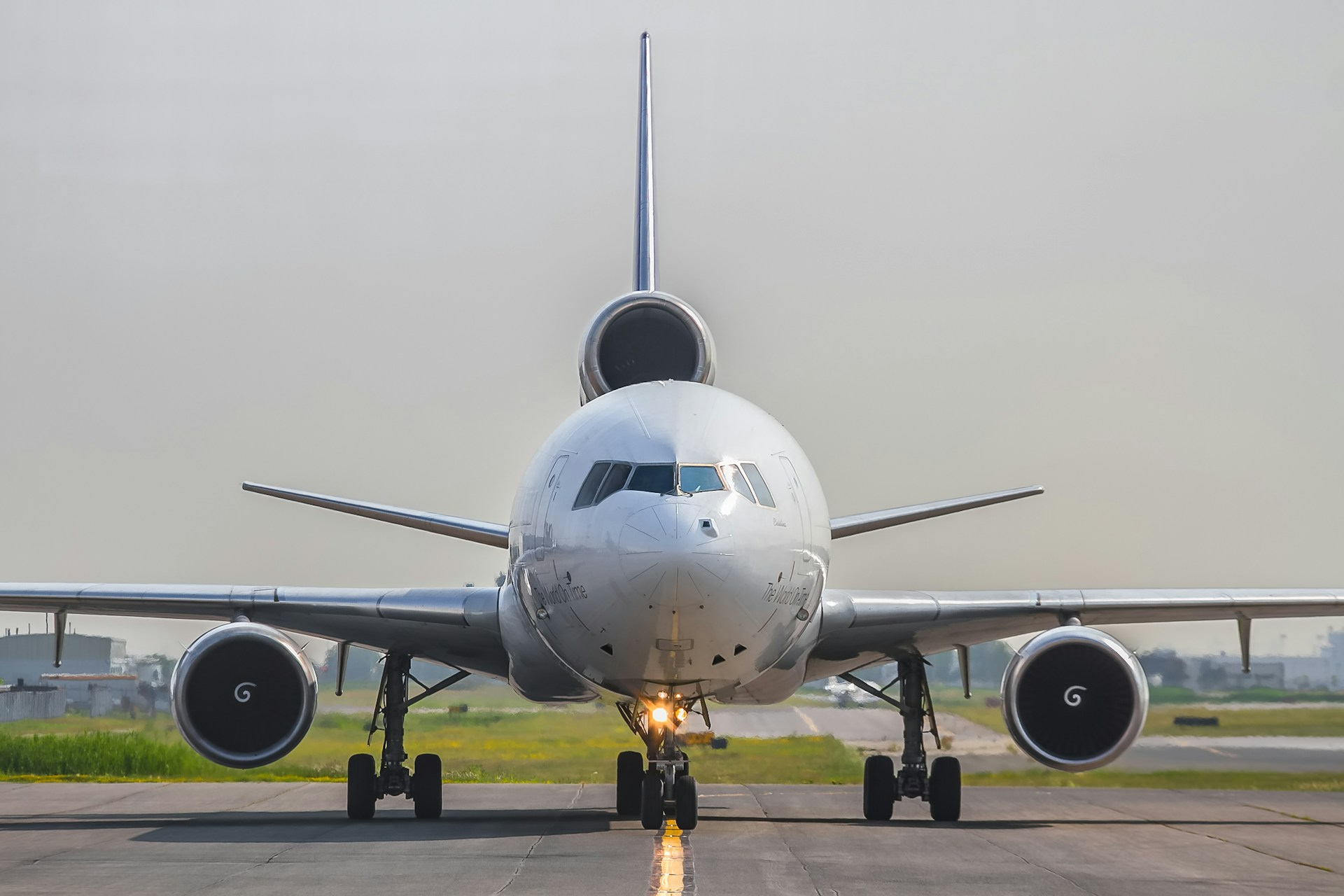
Hong Kong Air Cargo has started dedicated freighter operations at Navi Mumbai International Airport, becoming the new airport’s first international cargo carrier.
Operations began on 16 August, with three weekly services planned between Hong Kong and Navi Mumbai using Airbus A330-200F aircraft. Each flight is expected to carry about 60 tonnes of import and export freight, establishing recurring international cargo capacity rather than a one-off inaugural movement.
The operation has required coordination between the airline, Navi Mumbai International Airport, regulators, and Aeroprime Group, Hong Kong Air Cargo’s cargo general sales and service agent in Mumbai. Opening an international freighter route at a new airport depends on considerably more than securing an aircraft and a slot, with customs, security, ground handling, documentation, trucking, sales, and regulatory processes all needing to function together.
Raymond Chen, vice president – commercial at Hong Kong Air Cargo, said: “We are proud to be the first international carrier to commence operations from this new gateway.” The operational measure now shifts from the inaugural flight towards whether the route can build consistent cargo volumes and reliable landside connections.
Navi Mumbai is developing an integrated cargo terminal intended to handle domestic, international, express, and transit freight. Planned and existing specialist capability covers pharmaceuticals, perishables, dangerous goods, oversized cargo, live animals, and valuables, giving the airport a broader role than simply processing conventional unitised freight.
The airport is also developing a cargo community system to connect airlines, forwarders, customs authorities, trucking companies, and airport operations. Automated truck-slot management is intended to control vehicle arrivals and reduce landside congestion, an area that can quickly undermine additional airside capacity when terminal development moves faster than road access and collection processes.
Those functions matter because Mumbai and its surrounding industrial region generate a varied cargo base. Pharmaceuticals, engineering products, electronics, express shipments, and temperature-sensitive goods all use airfreight, while dedicated freighters can accommodate consignments whose dimensions, concentration, timing, or handling requirements make passenger belly capacity less suitable.
Hong Kong also provides a connection point into wider Asian manufacturing and distribution networks. Freight carried from western India need not terminate there: onward airline connections can extend the usefulness of the route across China and the wider Asia-Pacific region, provided schedules and handling times make the transfers commercially practical.
Navi Mumbai’s cargo proposition is being developed alongside road, port, and industrial infrastructure across the Mumbai Metropolitan Region. The airport has identified opportunities for multimodal and sea-air cargo, which could allow time-sensitive freight arriving through maritime gateways to switch to air for onward international movement.
Such combinations can reduce end-to-end transit times compared with remaining at sea for the entire journey, although they introduce additional handovers and customs processes. A multimodal hub therefore needs dependable information exchange and truck handling as much as warehouse and aircraft capacity.
The larger question is how quickly the new airport can develop the frequency required to influence routing decisions. Air cargo networks benefit from concentration because frequent services give forwarders more departure options and make missed connections easier to recover. A small number of isolated routes may provide useful capacity, but they do not create the same flexibility as a network with several daily or weekly choices.
NMIA expects further international freighter operations to follow, with prospective connections including Asian, Middle Eastern, and European destinations. If that pipeline becomes regular scheduled capacity, forwarders serving Mumbai would gain a second major international cargo gateway rather than simply additional terminal space.
That extra choice could become valuable when existing facilities face congestion or peak demand, but cargo owners will judge the airport through elapsed transit time rather than headline capacity. Collection reliability, customs clearance, warehouse throughput, truck access, and the availability of onward flights will determine whether routing freight through Navi Mumbai actually removes time from the supply chain.
Hong Kong Air Cargo’s three weekly flights provide the first recurring international test. The aircraft and route are now in place; the less photogenic work begins around them, as handlers, forwarders, truckers, customs teams, and airport systems establish whether the new gateway can process cargo consistently once an inaugural ceremony is no longer involved.