IN Brief:
- More than 4.3 million TEU of containership capacity is waiting to berth, above the previous absolute peak of roughly 4.0 million TEU.
- The stranded tonnage represents 12.6% of today's 34.4 million TEU fleet, compared with 15.7% at the 2022 peak.
- East Asian weather disruption is absorbing vessel capacity while schedule reliability, charter availability, and freight costs remain under pressure.
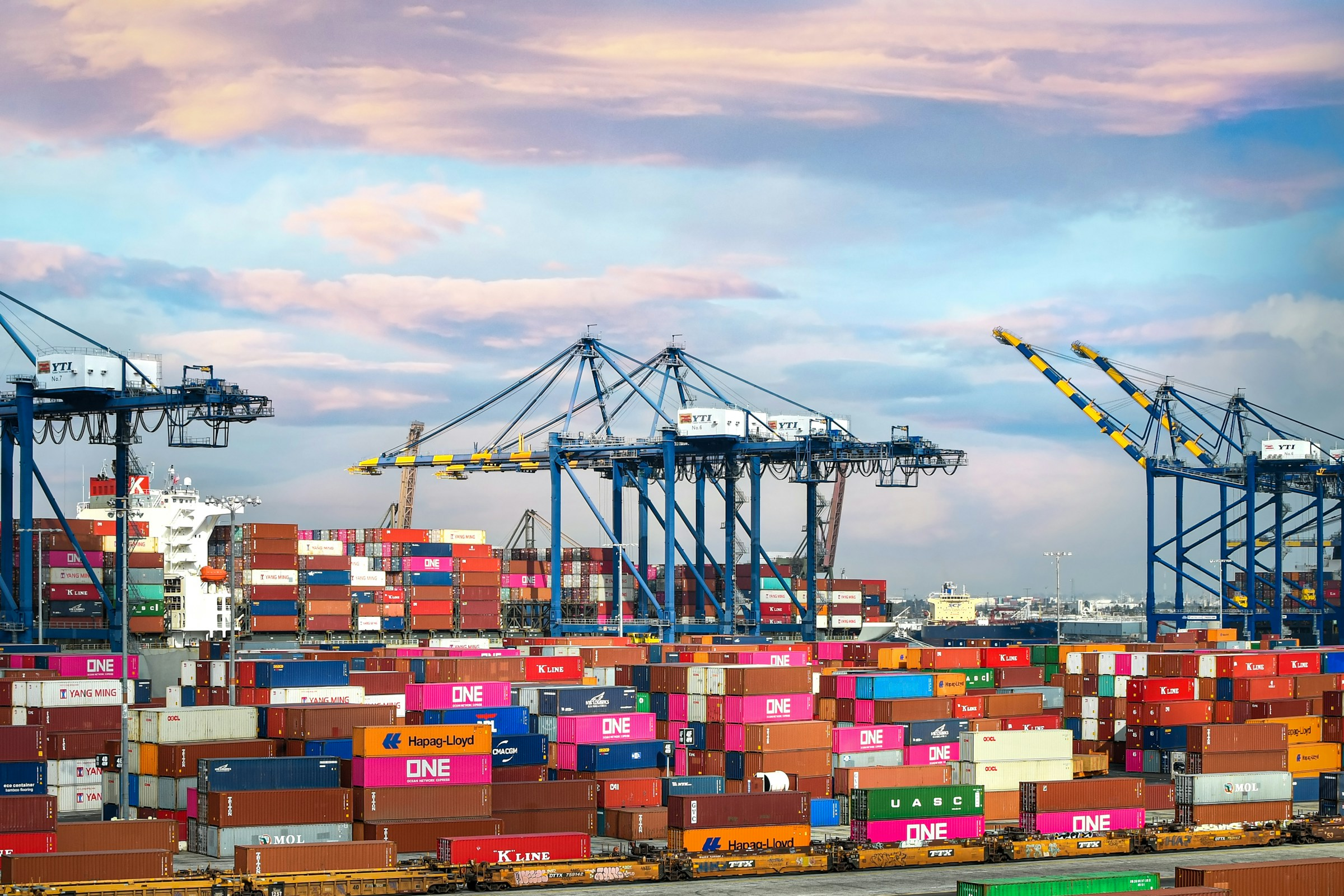
Global container port congestion has exceeded 4.3 million TEU of vessel capacity waiting to berth, pushing the absolute volume above the previous peak recorded during the pandemic-era disruption of 2022.
Analysis from Linerlytica puts current stranded capacity at more than 4.3 million TEU, compared with approximately 4.0 million TEU at the earlier peak. The comparison is striking, although the global containership fleet has expanded substantially since then.
Today’s congestion represents 12.6% of a fleet totalling around 34.4 million TEU. In 2022, roughly 4.0 million TEU represented 15.7% of a much smaller 25.3 million TEU fleet, so the current market has surpassed the old record in absolute tonnage without yet matching the proportion of worldwide capacity immobilised at the height of the earlier disruption.
East Asia is driving much of the present increase. Repeated storms have interrupted port operations, displaced scheduled arrivals, and left vessels reaching subsequent terminals outside their assigned windows. Once ships fall out of sequence, the effects continue after local weather conditions improve because berth plans have already been rearranged around other services.
A containership delayed at one port does not simply recover the lost time when it sails. Its next terminal may no longer have an immediate berth available, while export containers, pilots, tugs, crane teams, feeders, trains, and road collections have been planned around the original arrival. Delays therefore migrate through a rotation even where only one port experienced the original closure.
Schedule reliability had already deteriorated before the latest congestion record. Sea-Intelligence recorded global schedule reliability of 56.4% in July, down 6.1 percentage points from June and the lowest level of 2026. The average delay for vessels arriving late increased to 6.06 days, the highest figure since January 2024.
Those figures turn congestion into a capacity problem as well as a punctuality problem. A ship waiting outside a terminal remains part of the global fleet on paper, but it cannot complete its planned voyage or start the next one while idle at anchorage. Enough vessels losing several days at a time can tighten effective capacity without a single ship being withdrawn from service.
The larger global fleet provides more nominal headroom than existed in 2022, which explains the lower percentage figure. New vessels delivered during the intervening years have added millions of TEU to worldwide capacity, but part of that gain is being consumed by slower rotations, longer voyages, port queues, and schedule recovery.
Carriers can respond by chartering additional tonnage, altering port rotations, omitting calls, or cancelling sailings, although each option carries a commercial cost. Charter markets tighten when several lines seek replacement ships at once, while skipping a port may restore a vessel’s timetable only by transferring the disruption directly to cargo booked at that gateway.
Freight buyers encounter the consequences through both price and reliability. A container that spends another week at sea or waiting outside a port ties up inventory for longer, affects warehouse bookings, and can leave production material unavailable even when the shipping contract itself has technically been fulfilled.
Manufacturing supply chains are particularly exposed where imported components are sequenced closely to production requirements. Extra safety stock can protect an assembly line against unreliable arrival times, but it increases working capital and warehouse space. Businesses that had reduced inventory after the pandemic disruption may therefore face the familiar trade-off between carrying more stock and accepting more transport risk.
Panama is another pressure point being monitored. Linerlytica says congestion is beginning to build around the canal and expects available transit slots to be reduced further during September. Containerships with advance reservations have so far experienced relatively limited delays, but the situation demonstrates how another network constraint could absorb capacity if conditions deteriorate.
The headline figure also requires care because port congestion is unevenly distributed. A shipper using a relatively uncongested European or North American terminal may still experience delays because the vessel assigned to its service arrived late from an Asian rotation. Capacity is global even when the queue itself is local.
That helps explain why fleet size alone is a poor measure of available shipping supply. A 34.4 million TEU fleet sounds considerably more capable than the 25.3 million TEU fleet of 2022, but the usable capacity on any particular week is determined by route distance, vessel speed, port productivity, weather, maintenance, diversions, and the time required to recover schedules.
The immediate test will be how quickly East Asian ports clear accumulated vessel queues once weather conditions become more stable. Clearing congestion requires terminals to handle incoming calls while processing the backlog at a faster rate than new delays are being created, a difficult task when vessels arrive in bunches rather than according to the original schedule.
At more than 4.3 million TEU, the queue is now large enough to affect the balance of the global market even though the percentage of fleet capacity stranded remains below the 2022 extreme. Container shipping has more ships than it did four years ago; it is also finding increasingly inventive ways to keep a substantial number of them waiting.