IN Brief:
- HARIBO has opened a £35m expansion at its Castleford site in West Yorkshire.
- The project includes new warehouse capacity, a production and packaging line, and additional storage for raw materials and packaging.
- The investment strengthens the link between food manufacturing, warehouse design, materials flow, and distribution resilience.
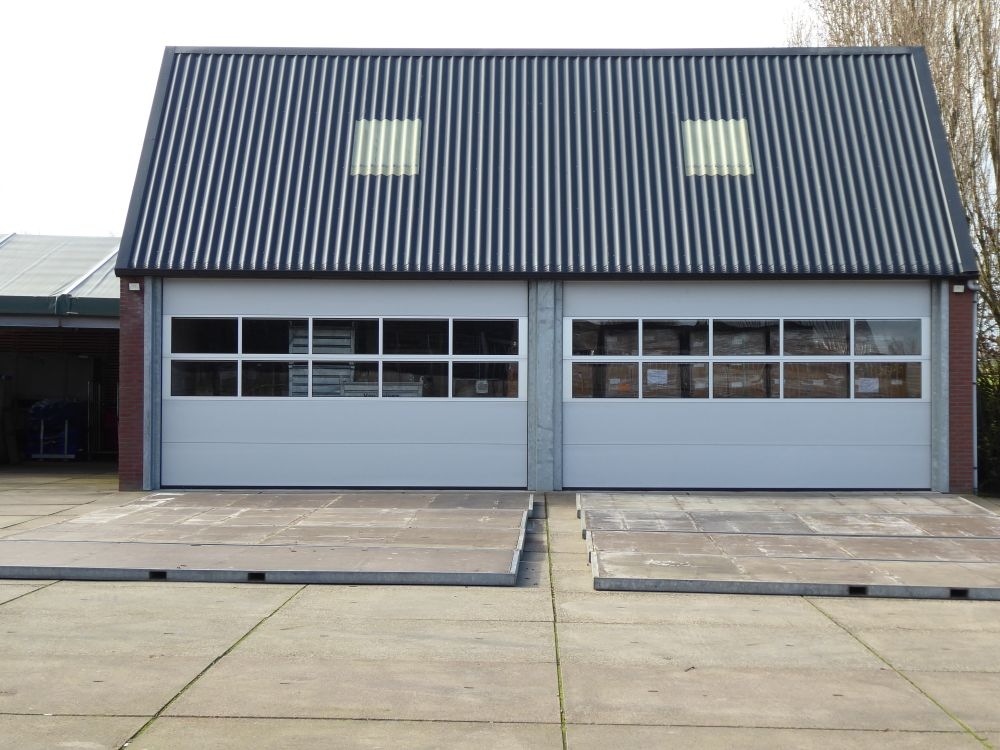
HARIBO has opened a £35m expansion at its Castleford site, adding warehouse, production, packaging, and storage capacity to one of the company’s core UK manufacturing locations.
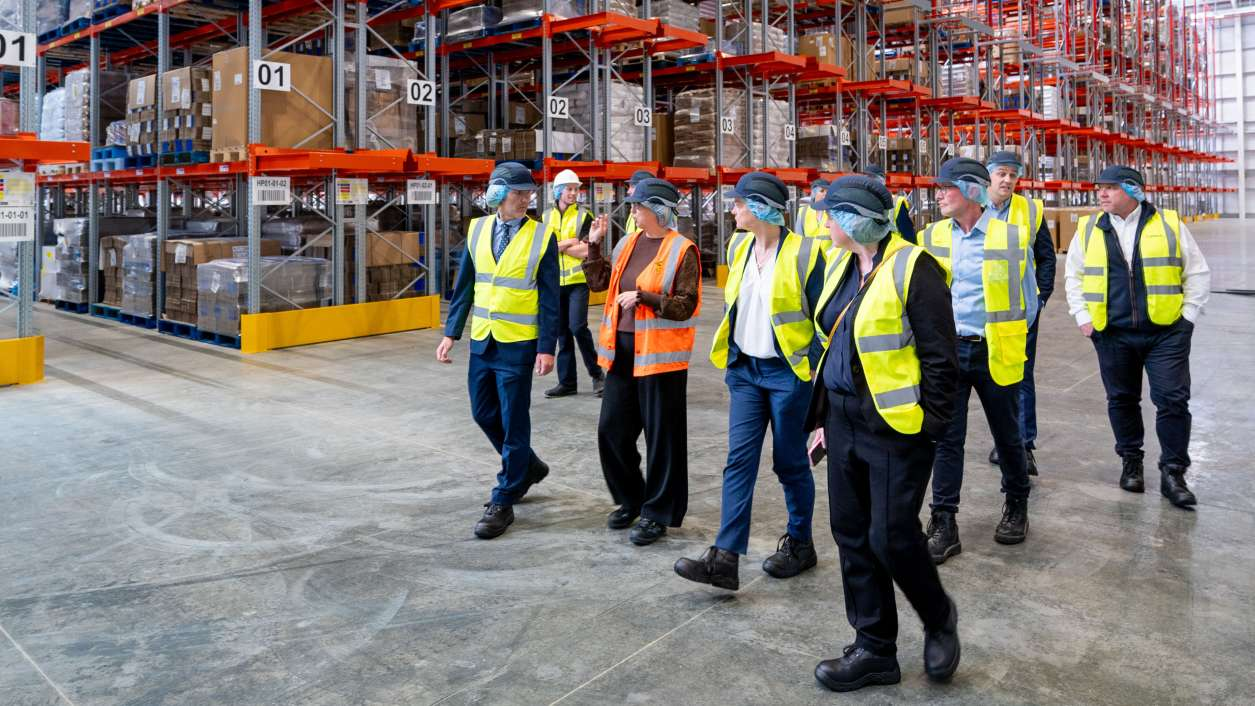
The West Yorkshire project includes a new warehouse facility, an additional production and packaging line, and expanded storage for raw materials and packaging. Delivered with Caddick Construction and a local supply chain, the site has been designed to support future product volumes while improving the internal movement of goods across the manufacturing operation.
Castleford and Pontefract remain central to HARIBO’s UK footprint, with more than 700 people employed across the two sites. The new investment gives the business greater flexibility around production planning, packaging availability, stock movement, and outbound distribution at a point when food manufacturers continue to manage volatile inputs, retailer service demands, labour pressure, and changing packaging formats.
The warehouse element carries as much operational weight as the new production and packaging line. Food factories are often constrained not only by manufacturing output, but by the movement and storage of ingredients, packaging materials, work-in-progress, and finished goods. Expanding production without improving materials flow merely transfers pressure from the line to the warehouse, yard, or loading bay.
By adding storage and warehouse capacity alongside production investment, HARIBO is treating the Castleford site as an integrated manufacturing and logistics system. The additional space should improve how packaging stock, ingredients, and finished goods are held and moved, giving the operation more room to absorb seasonal peaks, promotion cycles, and changes in product mix.
Food and drink manufacturers have been rebuilding resilience after several years of disruption across energy, ingredients, packaging, and transport. Lean inventories remain attractive on cost grounds, but too little storage flexibility can leave production exposed to supplier delays or packaging shortages. More manufacturers are now reassessing how much capacity sits inside the factory perimeter and how much depends on external warehousing.
That logic also applies to packaging. Retail requirements, multipack formats, seasonal lines, sustainability changes, and promotional activity can all alter packaging demand faster than traditional stock models allow. Additional packaging storage gives production teams more scope to protect line availability and reduce inefficient replenishment cycles.
Similar capacity thinking has been visible across other UK warehouse projects, including AUTODOC’s first UK warehouse in Manchester, where local stock positioning is being used to improve service resilience. HARIBO’s Castleford project sits inside a manufacturing footprint, yet the underlying principle is the same: output only becomes useful when goods can be stored, handled, and dispatched without avoidable friction.
The investment also reinforces the strength of West Yorkshire’s food manufacturing ecosystem, where production, engineering support, packaging, logistics services, and labour markets sit close together. A project of this scale supports regional capability while giving HARIBO more control over site-level execution.
Warehouse and storage investments are increasingly being judged as manufacturing infrastructure rather than ancillary space. For food producers, the factory and warehouse now operate as one system, with packaging availability, ingredient handling, production throughput, and dispatch performance all tied together. Castleford’s expansion shows how that relationship is being built into capital projects rather than patched around existing constraints.