IN Brief:
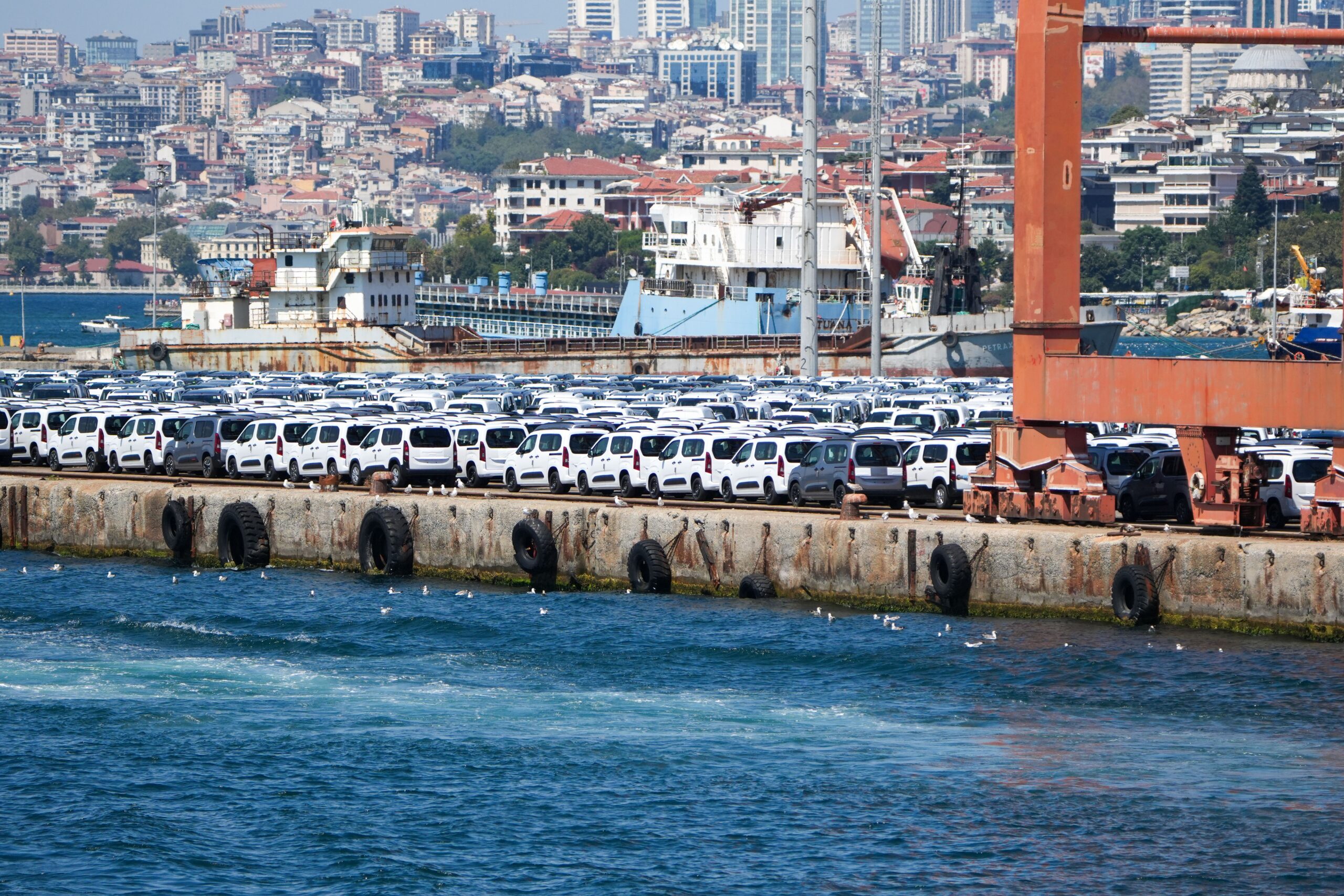
- The Port of Hueneme reported a 13% decline in automobile volumes during its latest fiscal year.
- Port officials are developing an initiative to carry Ventura County agricultural exports to Asia using available containers.
- The scheme has no confirmed launch date, shipping partner or volume target, while existing infrastructure projects continue.
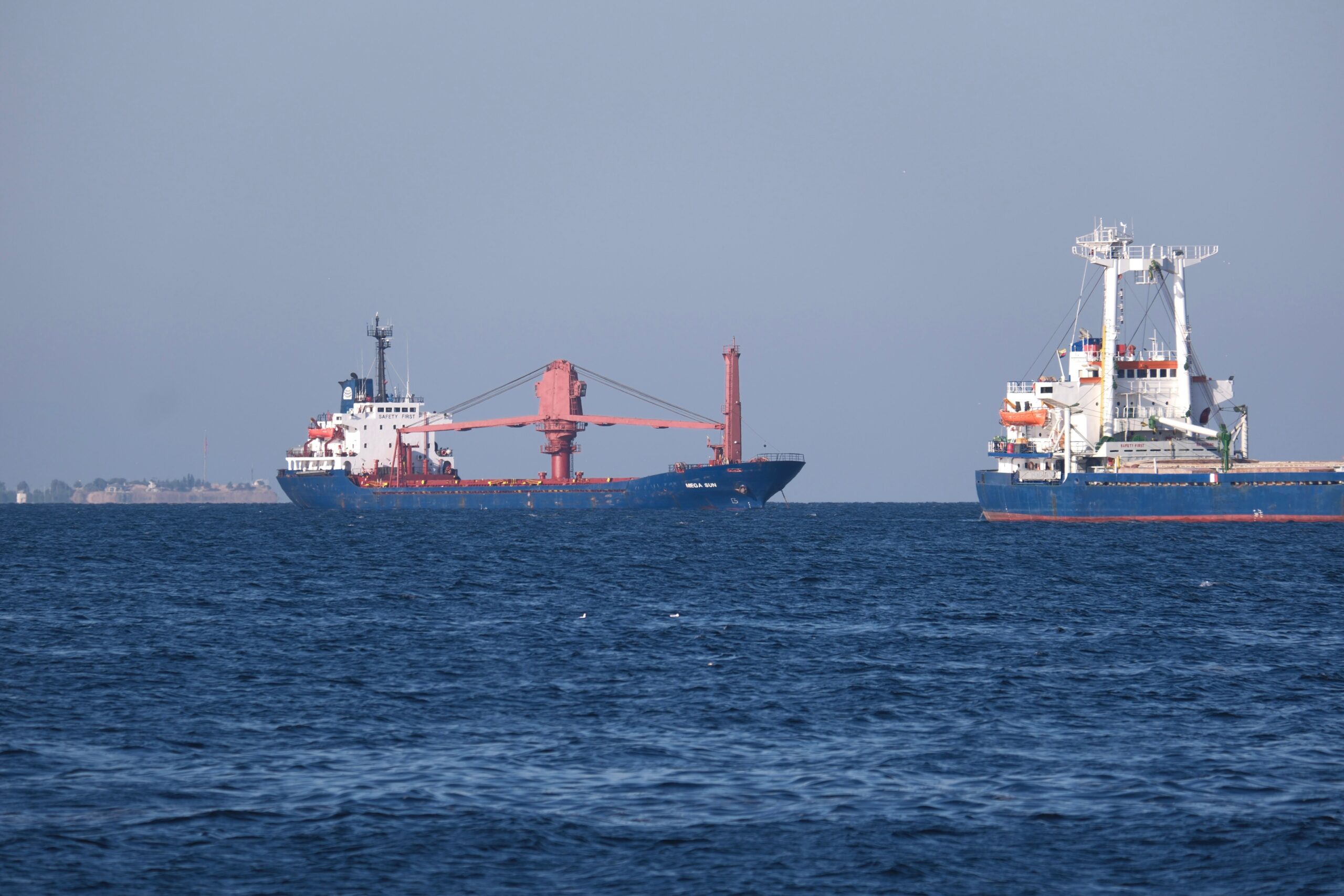
The Port of Hueneme is developing an agricultural export initiative intended to use available container capacity for shipments from Ventura County, California, to Asian markets. The plan was among the commercial priorities detailed in the port’s 2 November account of its 2026 State of the Port meeting. Its renewed focus comes alongside a 13% decline in automobile volumes during the latest fiscal year, a change port management partly attributes to tariffs affecting vehicle trade.
Hueneme’s mix of automotive, refrigerated produce and heavy industrial cargo differs from the much larger container operations at Los Angeles and Long Beach. Port management reported that stronger high-and-heavy freight and a small rise in container imports helped offset some of the weakness in vehicle traffic. Automobile volumes fell 13% over the latest fiscal year, with tariffs identified as a contributing factor. Although the port sees available container capacity as an opportunity, it has not published the quantity or equipment mix that could support the proposed exports.
Linking Ventura County agricultural producers with sailings to Asian markets would require suitable containers and confirmed handling capacity. A repeatable service would need commitments from cargo owners, shipping lines, hauliers and terminal operators about collection times, vessel calls and receiving conditions at the destination. Export fruit and other perishable products may require refrigerated equipment and temperature monitoring, while less-sensitive goods can have different handling needs. The November update described a commercial initiative in development, not a route with a published sailing schedule.
An import container is not automatically available for a new export load as soon as it is emptied. It may need cleaning or inspection, a carrier-approved interchange and movement to a packing facility; refrigerated equipment also has to be suitable for the temperature and ventilation requirements of the particular commodity. An outbound booking must coincide with the vessel’s cut-off and the timing of harvesting and packing. Those requirements influence whether reusing existing equipment reduces repositioning movements or simply adds another transfer.
Hueneme already handles fresh fruit and other specialist agricultural freight, supported by refrigerated storage, reefer connections and regional distribution services. Those facilities give the port experience with perishable cargo and equipment movements, although existing import infrastructure is not itself a guarantee of viable exports to Asia. The availability of suitable boxes, the seasonal pattern of Ventura County production and the frequency of an ocean service all affect the volume that can be offered to exporters. The port has not specified a commodity list for the new initiative.
Port executives had discussed agricultural export diversification earlier in 2026, so the development is the renewed commercial focus alongside updated fiscal-year figures rather than the first appearance of the idea. At its State of the Port meeting, the authority specifically identified using available container capacity for Ventura County products bound for Asian markets. No new shipping-line partner, launch date or target cargo volume was named. The next commercial stage is to establish sufficient compatible export bookings to support a regular service.
While the port explores additional export traffic, existing grant-funded infrastructure projects total approximately US$246m, according to the 2 November account, covering investments in capacity, efficiency and environmental performance. The sum covers programmes already under way, separately from the proposed agricultural export service. New handling or transport facilities may eventually support a wider cargo mix, with the current investment devoted to port capacity, efficiency and environmental performance rather than an identified budget for an Asian route.
Across the previous decade, Hueneme reported 70% growth and a 77% rise in operating revenue between 2015 and 2026. The port also estimates that its activity accounts for almost 5% of Ventura County’s gross domestic product. These are broader commercial and economic measures, while the 13% vehicle decline describes a particular cargo segment over the latest fiscal year. Diversification towards agricultural exports would require its own regular cargo demand, vessel space and handling arrangements rather than follow directly from the port-wide growth figures.
Alongside the existing infrastructure programme, Hueneme is working towards zero-emission operations by 2030. Its latest update highlighted a newly energised solar canopy expected to generate electricity equivalent to the annual consumption of approximately 250 homes. That installation and the broader environmental programme concern facilities already being developed or operated, on different timescales from the proposed export route. Additional refrigerated movements would need to be accommodated within the port’s power supply, handling arrangements and environmental operating requirements.
The authority says its project labour agreement has supported 896 jobs through port-related construction projects, providing one measure of the workforce behind ongoing infrastructure investment. A regular agricultural service would introduce a different set of operational commitments between growers, packers, trucking companies, terminal handlers and vessel operators. Packaged produce needs to arrive ahead of a sailing cut-off, be stored under appropriate conditions and then connect with an overseas receiving network. Equipment availability is useful only when those timings align.
Hueneme has not yet identified a first sailing, Asian destination ports, an ocean carrier or expected export volumes for the agricultural initiative. The latest cargo figures show why the authority is testing ways to use its facilities while its vehicle business faces pressure. A viable service would require a consistent agricultural cargo base, suitable containers, refrigerated handling where needed and agreed vessel calls. Those decisions will establish whether the project develops into bookable capacity for Ventura County exporters.