IN Brief:
- Freight quotations from Nhava Sheva to Khor Fakkan have reached around US$7,500 per 40-foot container, according to market reporting on 17 November.
- Maersk has warned of congestion and changed cargo collection arrangements around Khor Fakkan, while container returns can incur substantial charges.
- Shippers face costs beyond the ocean booking, including landside transport, customs clearance, storage and equipment handling when routes or collection points change.
India–Gulf container shippers face higher freight quotations and expensive equipment returns as booking restrictions and port congestion complicate movements through alternative Gulf gateways. Exporters using ports outside the Strait of Hormuz must account for the onward journey to the importer, including customs formalities, road transport and the eventual return of the empty box.
CMA CGM spot quotations from Nhava Sheva, or Jawaharlal Nehru Port, to Khor Fakkan reached around US$7,500 per 40-foot container in market reporting on 17 November. Comparable offers in the second half of October were approximately US$6,500–7,000. The same reporting placed quotations to Sohar in Oman near US$6,500 per 40-foot container, almost twice the level quoted at the end of September.
The quotations apply to particular routes and booking conditions, rather than a fixed tariff paid by every shipper. Equipment availability, vessel allocation, cargo requirements and the point of delivery can change the final price. Restrictions imposed by carriers including Maersk and Hapag-Lloyd have also narrowed sailing options on parts of the India–Gulf trade, according to forwarding sources.
Khor Fakkan and Fujairah in the United Arab Emirates, alongside Sohar in Oman, have become important discharge options as disruption affects access through the Strait of Hormuz. A container discharged outside the strait can still require a bonded transfer or inland delivery to reach its final customer. Customs release, terminal access and truck availability then influence how quickly cargo can leave the port and whether equipment is returned within the permitted period.
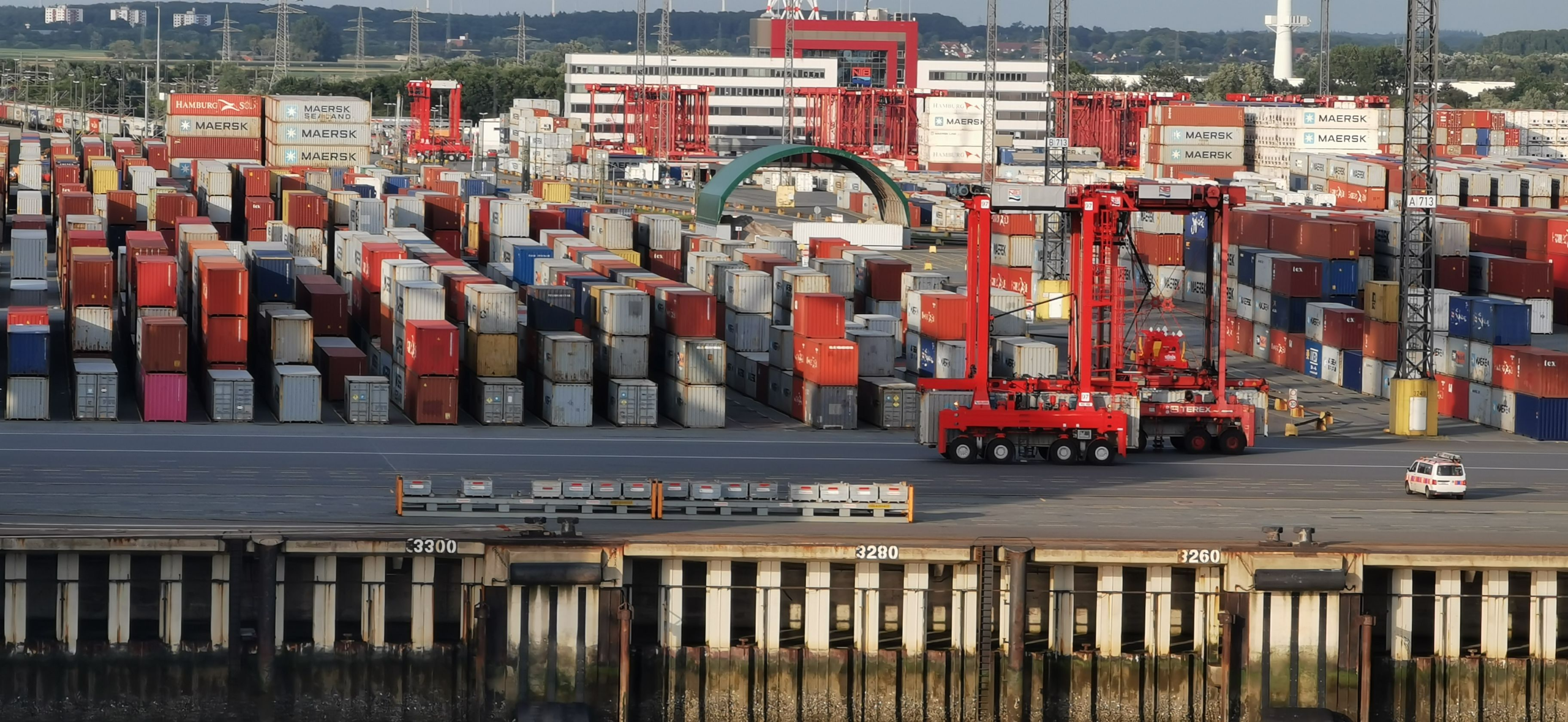
Maersk has identified limited berthing availability at Khor Fakkan, high yard utilisation, road congestion and lengthy truck waits. Its operational guidance warns that those conditions can delay clearance and bonded movements involving Ajman, Jebel Ali and other destinations. Separate notices describe shipments transferred from Khor Fakkan to alternative delivery arrangements, with the eventual route subject to the carrier’s conditions and local operating constraints.
A change of discharge or collection location alters the physical journey as well as the documents supporting it. Loaded containers may have to move under customs control to an inland container depot before importers can arrange collection. The transport chain then needs an authorised delivery order, an available truck, a customs process and agreement over which party is responsible for each handling and transfer charge.
Returning the empty container can add another road movement after the goods have reached their warehouse. Shipping lines generally retain ownership of their equipment, while the consignee or appointed haulier is responsible for returning the empty box to an approved location. The return depot may be well away from the consignee’s premises, leaving the importer exposed to haulage, drop-off charges or detention if the return deadline is missed.
Freight-market reporting puts Maersk’s empty-return charge at up to US$1,200 for a 40-foot container returned to the Sajaa inland depot in the UAE, associated with cargo arriving through Khor Fakkan. The amount is a reported charge for a specified arrangement rather than a new fee introduced this week. Maersk’s published empty-return advisories contained charges of this scale earlier in 2026; their interaction with the latest freight rates and port constraints is the current pressure point.
Gulftainer operates the Sajaa depot, approximately 90km from Khor Fakkan according to the freight reporting. A consignee collecting cargo for an industrial estate elsewhere in the UAE can therefore face a separate return trip after unloading. The drop-off charge should also be distinguished from any inland haulage, container detention or storage charge, whose application depends on the booking and the point at which the equipment is returned.
Hapag-Lloyd has asked UAE-bound import customers to specify their preferred customs clearance or delivery point, offering collection through Sajaa or Khor Fakkan subject to its requirements. The carrier indicates that customers who do not provide instructions may have their cargo routed through Sajaa. A stated 12-day free-time allowance at the depot provides time for collection, but it does not establish that every onward transfer or container return is free of charge.
A mismatch between the nominated collection point and the importer’s transport plan can delay customs clearance or trigger a second set of delivery instructions. Forwarders may need to change documents, arrange another truck journey or revise the consignee’s collection appointment. The financial outcome follows the applicable contract and the actual handling route; charges should therefore be checked against the individual booking rather than treated as uniform across the trade.
Restrictions and changes to Gulf port access have affected cargo and container positioning throughout 2026. Equipment delayed at inland depots or tied up in extended delivery chains cannot be reassigned to another export movement until it is released and repositioned. That can feed back into the supply of containers and vessel space available for subsequent India-origin bookings.
The combined cost exposure now extends from the ocean quotation to the inland receiving point and finally to the approved empty-return yard. A less expensive sea leg can be offset by a longer bonded transfer, extra truck movements or detention, particularly where a booking’s destination arrangements change after departure.
Further November and December movements remain dependent on carrier acceptance, vessel availability and individual port conditions. Exporters and forwarders will need current route-specific rates and written confirmation of discharge, collection and equipment-return instructions before calculating their landed transport costs.