IN Brief:
- IntraLogisteX Düsseldorf will take place at Messe Düsseldorf on June 16–17, 2027.
- The event will focus on warehousing, fulfilment, robotics, automation, WMS, materials handling, data, and AI-enabled optimisation.
- The location places the show inside North Rhine-Westphalia, Germany’s largest logistics and industrial region.
IntraLogisteX is expanding into Germany with a new Düsseldorf edition focused on warehousing, fulfilment, automation, robotics, materials handling, and supply chain technology.
The new event will take place at Messe Düsseldorf on June 16–17, 2027. It is being positioned as a practical exhibition for warehouse operators, logistics providers, manufacturers, retailers, fulfilment companies, and technology suppliers operating in one of Europe’s most important logistics regions.
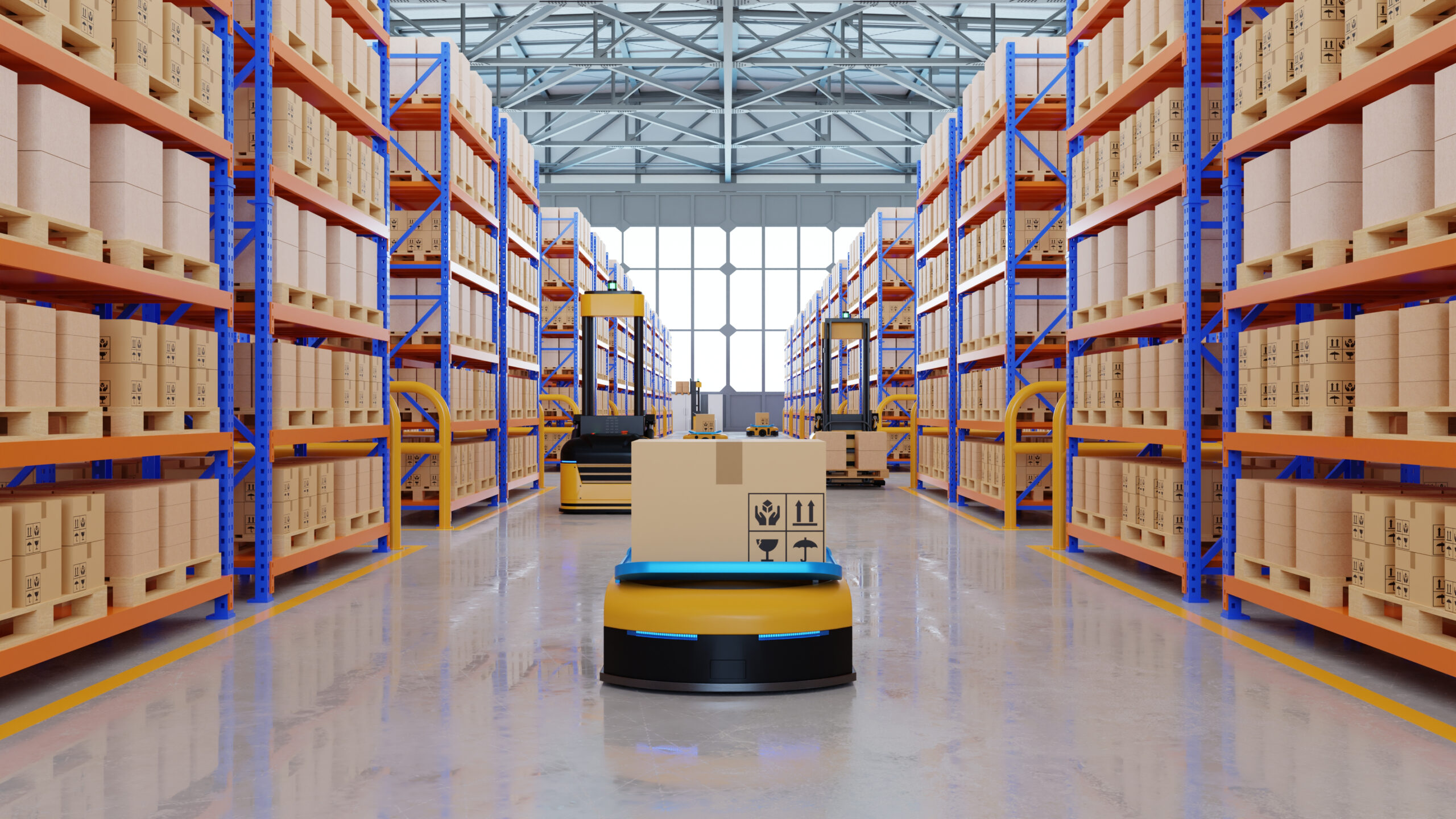
The Düsseldorf edition will cover intralogistics systems, warehouse automation, robotics, conveyors, sorting, picking, packaging, WMS, inventory management, data, AI-enabled optimisation, and materials handling equipment. That scope reflects the way warehouse investment has shifted from isolated equipment purchases to integrated operating systems linking labour, stock, data, transport, and real estate.
North Rhine-Westphalia gives the launch a strong industrial and logistics base. The region combines manufacturing, retail, automotive, chemicals, pharmaceuticals, consumer goods, food and beverage, wholesale, and e-commerce activity. It also benefits from proximity to major European corridors, including road, rail, inland waterway, and access to ports such as Rotterdam and Antwerp.
The choice of Düsseldorf is therefore more than an event-location decision. Warehousing and fulfilment technology adoption is increasingly shaped by regional labour availability, power infrastructure, transport intensity, property cost, and customer proximity. A show located in a dense logistics region gives equipment and software suppliers a direct route into operators facing live capacity, automation, and productivity decisions.
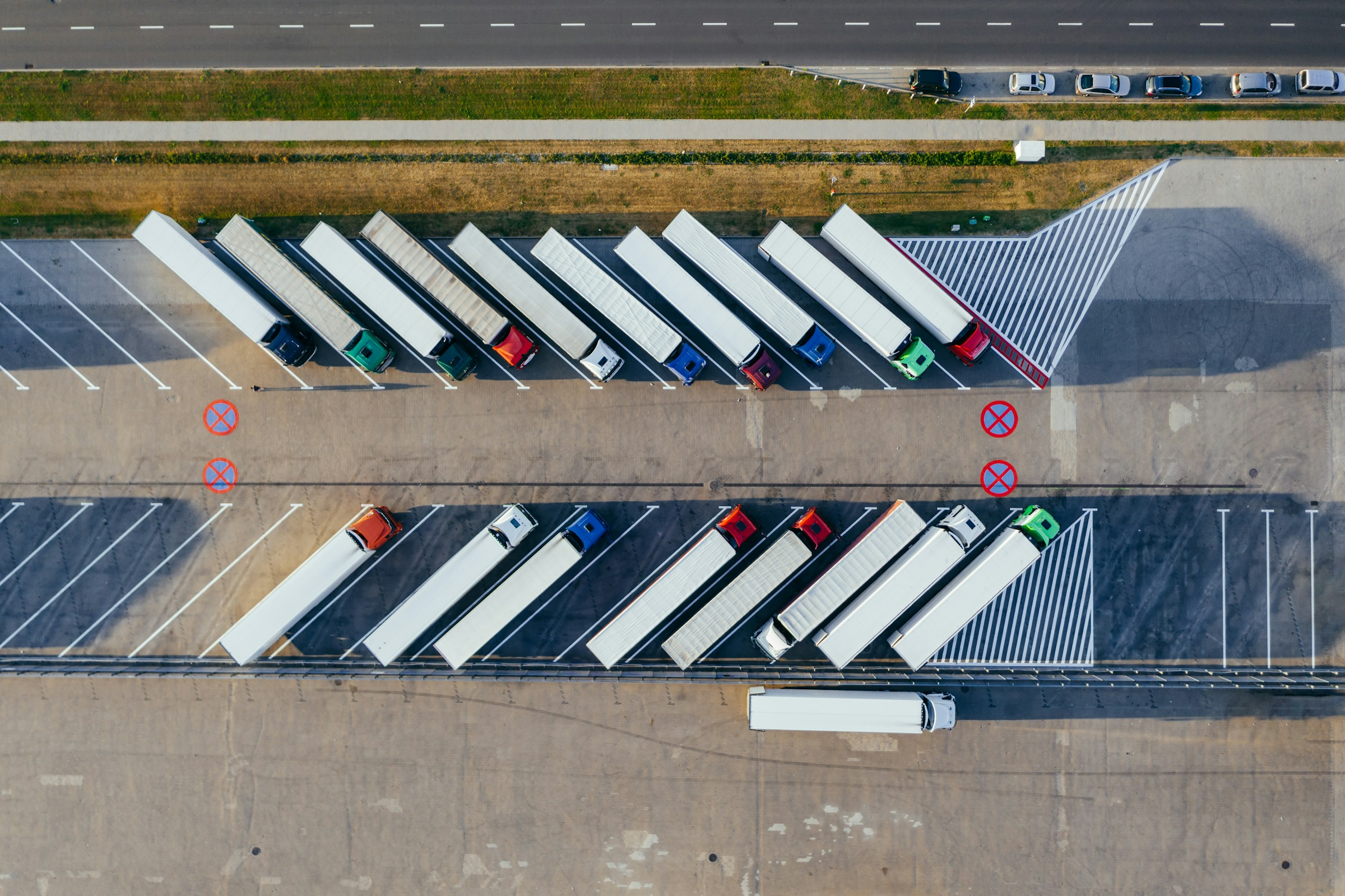
The launch comes as warehouse operators are dealing with a more complex investment environment. Labour remains expensive and difficult to schedule in many European markets. Occupiers are under pressure to use floor space more intensively as high-quality logistics real estate tightens. Energy performance, automation readiness, yard flow, and software integration are becoming part of facility strategy rather than separate operational projects.
IN Supply recently covered C3 Solutions expands yard visibility platform, highlighting the growing role of digital control across trailer movement, dock scheduling, gate processes, and facility throughput. Yard visibility is only one layer, but it shows how warehouse performance is now measured through connected flows rather than activity inside the building alone.
Materials handling investment is moving in the same direction. IN Supply’s Hyster launches XN2 electric forklift series story pointed to continuing electrification in warehouse equipment, with operators balancing emissions, energy cost, uptime, charging infrastructure, and total cost of ownership. Those considerations now sit alongside robotics, WMS, and automation decisions because the warehouse equipment fleet is part of the same operating system.
The German market is especially relevant because many operators are trying to improve productivity without compromising reliability. A highly automated facility can create strong throughput gains, but it also introduces new technical dependencies. Software failures, power constraints, maintenance gaps, or poor data quality can disrupt operations more quickly than in a manual environment. Technology selection therefore depends on resilience as much as headline efficiency.
That makes live demonstration and buyer education useful. Warehouse automation is not a single category. It includes autonomous mobile robots, automated storage and retrieval systems, robotic picking, goods-to-person systems, conveyors, sorters, pallet handling, automated trailer loading, sensors, WMS, orchestration software, and analytics. The operational fit depends on SKU profile, order pattern, labour model, building design, customer requirements, and return on investment horizon.
For manufacturers, the same logic applies to production logistics. Intralogistics investment is increasingly used to improve material flow between receiving, storage, kitting, production, packing, and dispatch. The boundary between factory logistics and distribution logistics is becoming less distinct, particularly in sectors where customer-specific orders, spare parts, returns, and aftermarket fulfilment sit close to production.
IntraLogisteX Düsseldorf will enter a market already served by major European logistics and automation events, but its narrower focus on warehouse and fulfilment technology gives it a practical position. The strongest events in this space are not just product showcases; they act as procurement filters at a time when operators are being offered too many overlapping technology claims.
The warehouse is no longer just a storage point between transport legs. It is a technology-heavy operating asset where stock accuracy, labour planning, energy management, automation, and data quality decide service performance.