IN Brief:
- Deendayal Port crossed 50 million metric tonnes on 15 July, 19 days earlier than during the previous financial year.
- Fertilisers, liquid bulk, and container traffic contributed to the faster throughput.
- Continued growth will depend on storage, berth productivity, road and rail evacuation, equipment, and coordinated port data.
Deendayal Port Authority handled 50 million metric tonnes of cargo by 15 July, reaching the threshold 19 days earlier than in the previous financial year and recording the fastest start among India’s major ports.
The Kandla gateway has reported growth across fertilisers, liquid bulk, and containerised cargo, while improved vessel turnaround has helped move higher volumes through the berths. During June, the port also set a daily handling record of approximately 778,000 tonnes.
Deendayal Port serves a broad industrial and agricultural hinterland across Gujarat, Rajasthan, Haryana, Punjab, Delhi, and parts of northern and central India. Its cargo mix includes crude oil and petroleum products, chemicals, fertilisers, food grains, salt, timber, minerals, steel, project cargo, and containers.
Each commodity places different demands on the estate. Fertiliser imports require rapid discharge, dry covered storage, and coordinated inland distribution ahead of agricultural demand, whereas liquid bulk depends on tank availability, pipeline capacity, product segregation, and strict safety controls.
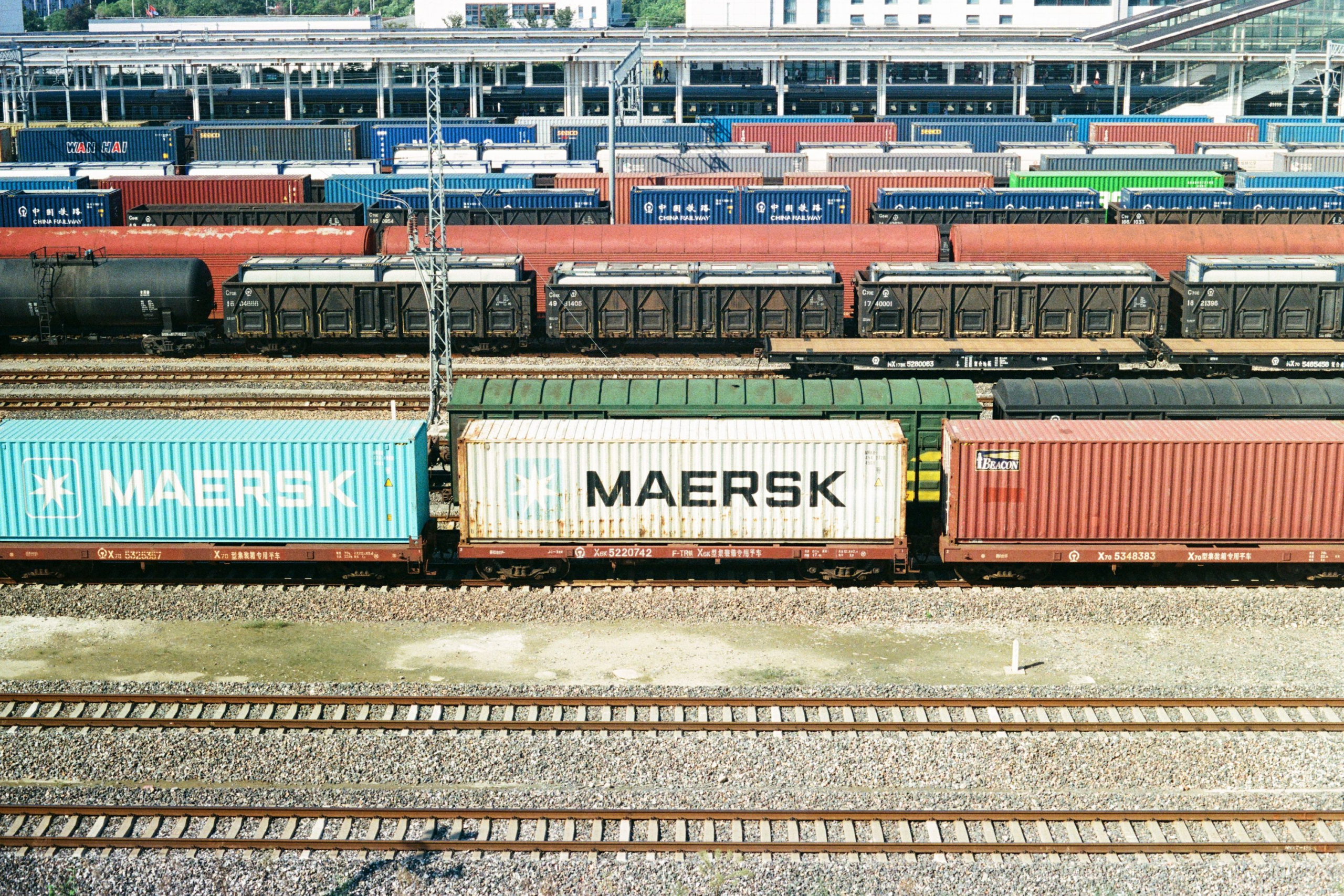
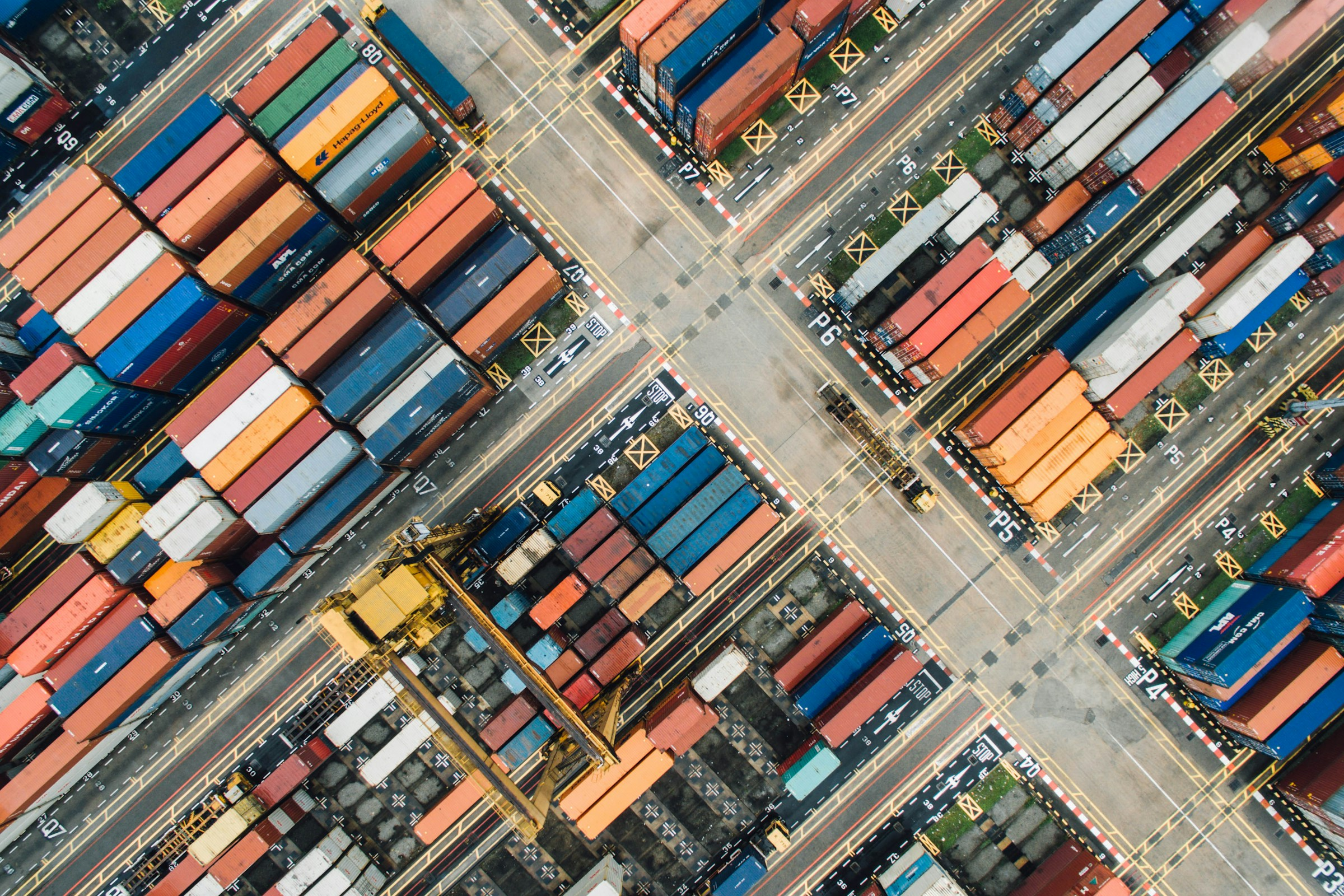
Container growth introduces another set of constraints because berth productivity must be matched by yard space, crane availability, customs processing, empty-equipment management, and road and rail evacuation. Faster ship operations provide little advantage when boxes accumulate behind the quay or trucks wait for gates and documentation.
Throughput pressure moves beyond the berth
Annual tonnage can conceal the variability that shapes day-to-day operations. Several bulk vessels arriving together can fill warehouses or tanks, while a missed rail path, equipment failure, or slow customs release can transfer congestion from a productive berth into the port estate.
Kandla’s diverse cargo base spreads commercial risk, yet it also creates competition for land, labour, roads, and development capital. Covered sheds, tank farms, paved yards, container depots, and specialist handling areas cannot be used interchangeably, so capacity planning must reflect the peaks within each cargo stream rather than the annual total alone.
Inland evacuation will determine whether the early growth can continue. Long-distance road movements connect the port with northern and western markets, but greater use of rail and coastal shipping could add capacity without placing every additional tonne onto regional highways.
India’s wider freight reforms are intended to reduce inconsistent rules, improve data exchange, and support more efficient movement across state boundaries. At the same time, proposed changes to coastal-shipping and cabotage arrangements could make domestic maritime services more competitive, linking high-capacity gateways such as Kandla with feeder ports around the peninsula.
Modal shift depends on service quality as much as policy. Rail paths must be frequent enough to support production schedules, terminals need suitable handling equipment, and receiving depots must have capacity when trains arrive. Coastal services face the same requirement for dependable schedules, equipment, and aligned port operations.
Storage will remain critical where inland buyers cannot accept cargo at the pace of vessel discharge. Fertiliser and food grains need protection from moisture, liquid products require available tanks, and containers need sufficient space for laden and empty equipment without forcing excessive rehandling.
Digital coordination can improve the use of those assets. Berth-planning tools, vehicle appointments, electronic documentation, cargo visibility, and data exchange between terminals, customs, shipping lines, rail operators, and cargo owners can reduce avoidable dwell, although no software can compensate indefinitely for insufficient physical capacity.
Higher throughput also raises the environmental burden around the port. Dust from dry bulk, emissions from idling vehicles and equipment, spill risks, and pressure on surrounding roads will require investment in covered conveyors, cleaner machinery, traffic management, shore-side power, and stronger monitoring.
Reliable utilities are becoming more important as handling equipment is electrified and terminals depend on continuous data. Cranes, conveyors, pumps, reefer points, electric vehicles, and automated gates all require resilient power, while outages can halt several cargo streams at once.
The July milestone may reflect both sustained growth and a concentration of early-year arrivals, so performance during the remaining months will show whether current berth and yard capacity can absorb the pace. Continued acceleration would strengthen the case for further mechanisation, storage, rail access, and off-dock facilities.
Kandla’s achievement is substantial, but the port’s operating test lies beyond the headline tonnage. Cargo must continue moving predictably from ship to shed, tank, train, truck, and final destination, otherwise faster discharge will merely relocate delay within the same supply chain. That discipline will become harder as annual volumes and vessel calls continue rising.