IN Brief:
- Klaipėda is tendering construction of 100 hectares of new port territory and a 1,300m quay.
- The expanded southern port is expected to support around 30 million tonnes of annual cargo handling.
- Almost €600m is allocated from the port's 2026–2029 investment programme, with total development expected to exceed €1bn.
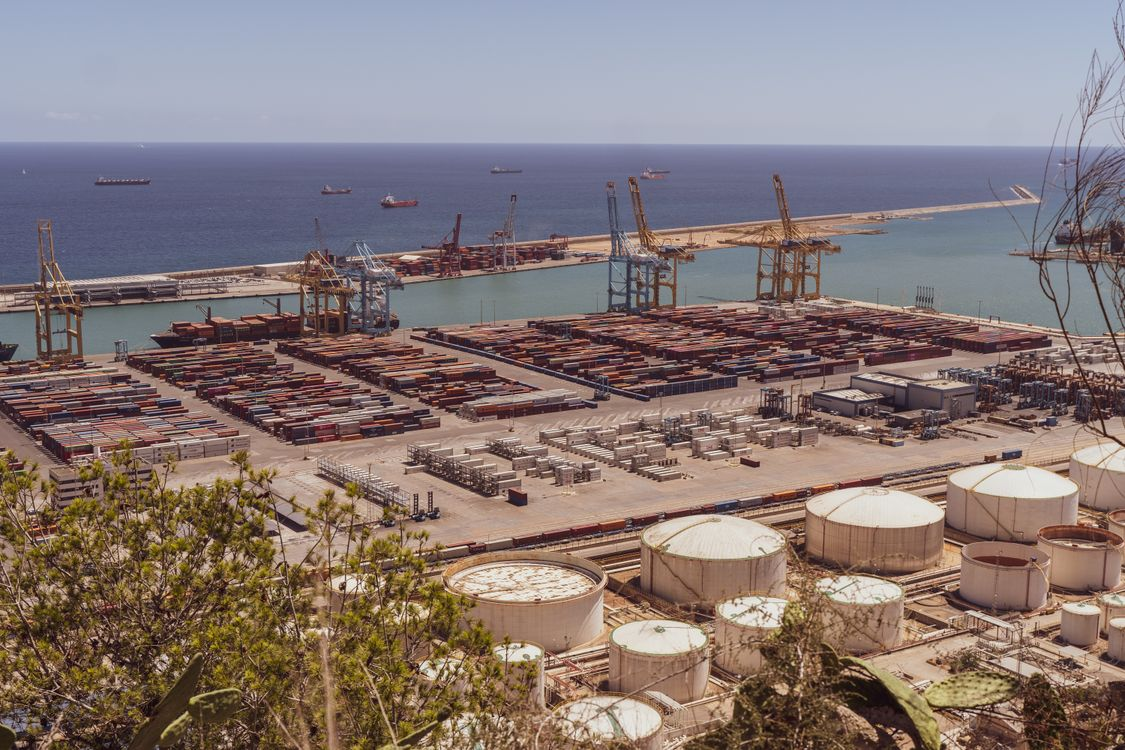
Klaipėda State Seaport Authority has opened the principal construction tender for the southern expansion of Lithuania’s largest port, advancing a project that will create 100 hectares of new territory and significantly increase cargo handling capacity.
The successful contractor will reclaim land in the Curonian Lagoon and construct approximately 1,300 metres of quay. The contract also covers dredging, drainage infrastructure, coastal protection and works associated with one of the new breakwaters.
Electrical infrastructure will be altered as part of the programme. A section of the existing 110kV Marios–Juodkrantė overhead transmission line is to be removed and replaced with an underground cable to clear the future development area.
The reclaimed territory is intended to accommodate new terminals, additional container handling and potentially marine engineering activity. The port authority estimates that the developed southern area could handle around 30 million tonnes of cargo annually.
Almost €600m from Klaipėda Port’s 2026–2029 strategic investment programme has been allocated to the project. Including anticipated private investment, the overall development value is expected to exceed €1bn.
Land creation on this scale changes more than the available berth line. Terminal operators will need road and rail access, power, pavement, storage areas and equipment capable of moving the additional cargo away from the quay. Capacity at the water’s edge only becomes commercially useful when those landside systems can absorb the same volumes.
The port authority has already appointed a contractor for the southern port gates, with construction expected to begin this autumn. The wider infrastructure programme is scheduled to run towards completion by the end of 2028, followed by operations in the new territory from 2029.
The Lithuanian government has also approved procedures for leasing the new territory or portions of it. A competition to select the operator for the future development is expected later in 2026, allowing commercial decisions to begin before all of the physical infrastructure is complete.
Early operator involvement can reduce the risk of constructing generic terminal space that later requires expensive modification. Container handling, bulk cargo and marine engineering each place different demands on crane foundations, yard layouts, power supply, storage and transport connections.
The construction package itself will require careful sequencing because reclamation, quay construction, dredging and utility relocation cannot be treated as isolated jobs. Marine works will have to progress without compromising existing port access, while the new electrical arrangement must be in place before parts of the reclaimed area can be used safely. That coordination increases programme risk but is unavoidable on a live port expansion of this scale.
Klaipėda serves Lithuanian industry and wider regional trade from the eastern Baltic. Expanding the port footprint gives existing and future operators more room to increase throughput while separating cargo types that compete for space within the current boundary.
The programme also reflects the changing specification of European ports. New developments increasingly have to provide electrical capacity, digital infrastructure and resilience alongside conventional quay and dredging works as vessels, terminal equipment and cargo systems become more energy intensive.
Moving the 110kV connection underground is a practical example of that constraint. Existing utilities that were compatible with the old port boundary can become obstacles once land reclamation moves cargo operations into areas not previously intended for terminal use.
The proposed 30 million tonnes of additional annual cargo potential will also test inland connections. Port expansion can shift congestion rather than remove it if rail paths, roads or intermodal terminals cannot move cargo away at the rate at which vessels and quay equipment deliver it.
Operator commitments will therefore be an important next indicator. A construction programme can establish the physical capability for growth, but cargo owners and terminal businesses ultimately determine how quickly that capacity is used and which commodities it attracts.
With the main contractor search now under way, Klaipėda has moved the southern expansion from planning towards delivery. The project will visibly extend the port’s boundary, while its commercial effect will depend on how successfully new terminals, infrastructure and inland transport are brought into operation together.