IN Brief:
- June throughput reached 1,002,734 TEU, 12% higher than a year earlier.
- Imports rose 13% to 530,558 TEU, while exports were broadly unchanged.
- Frontloading intensified as shippers sought to limit exposure to tariffs and higher costs.
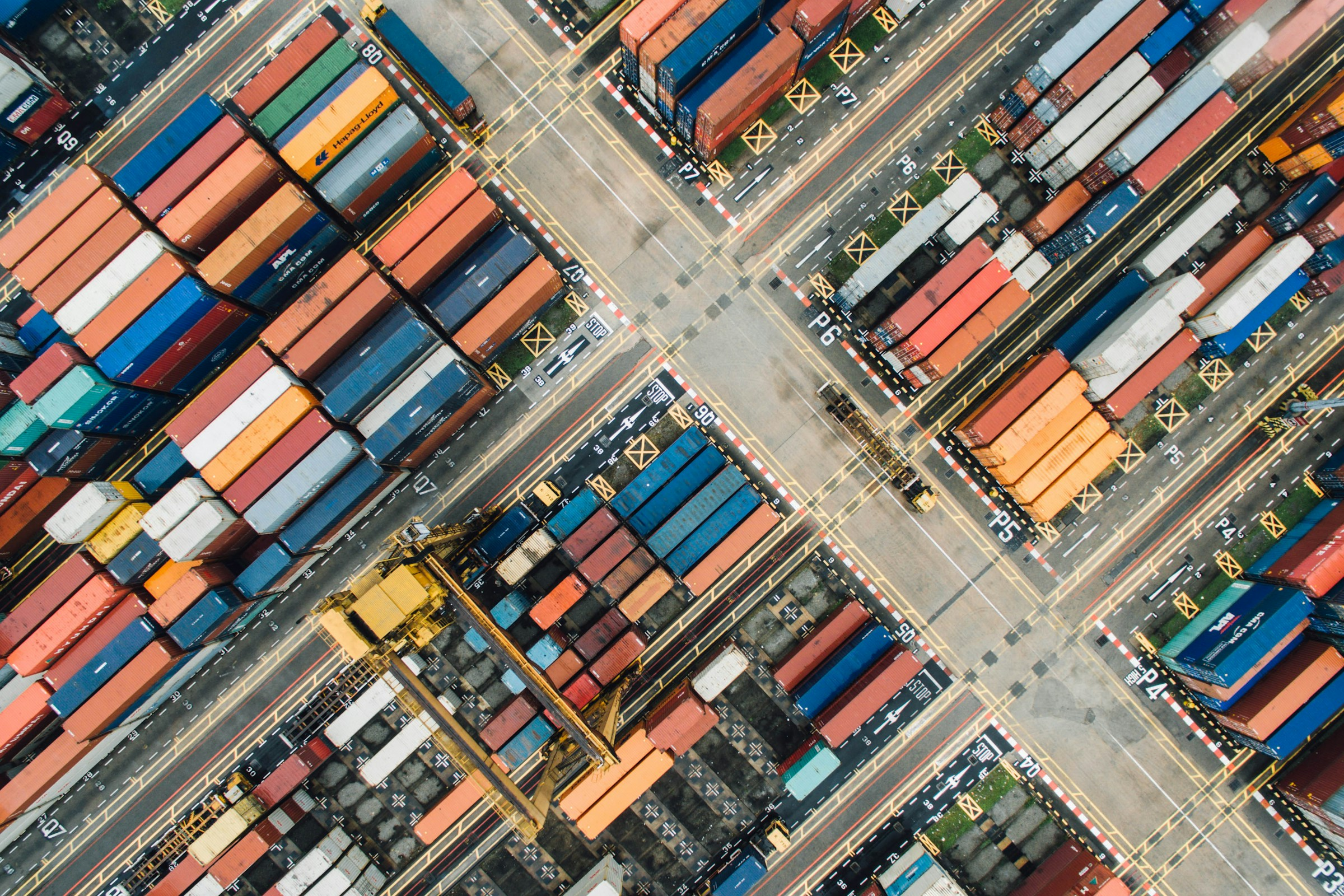
The Port of Los Angeles handled 1,002,734 TEU in June, recording its busiest June and passing the one-million-TEU threshold for only the third month in its history.
Total throughput increased by 12% from June 2025. Loaded imports rose by 13% to 530,558 TEU, while exports increased by 0.2% to 126,365 TEU.
The neighbouring Port of Long Beach handled 779,331 TEU, its third-busiest June, with imports increasing by 11%. Growth across both gateways confirms that the increase extended across the wider San Pedro Bay complex rather than reflecting a shift between individual terminals.
Retailers, manufacturers, and companies developing data-centre infrastructure accelerated cargo before expected tariff changes, higher marine-fuel costs, and further geopolitical disruption. Goods that would ordinarily have arrived later in the year were moved forward to reduce exposure to policy and cost changes.
Despite the surge, the port reported no significant vessel backlog or material cargo delays. Terminal capacity, appointment systems, rail operations, and inland transport absorbed the additional volume without a return to the congestion experienced during earlier disruptions.
June formed part of a broader 8.2% year-on-year increase in US container imports. Much of that growth was concentrated at major transpacific gateways, where production schedules and vessel bookings could be advanced before new measures took effect.
The composition of the cargo also continues to evolve. Retail inventory remains substantial, while servers, networking equipment, cooling systems, power infrastructure, and construction components are adding project-driven flows linked with data-centre investment.
Frontloading moves the peak without removing it
Volumes accelerated by a deadline do not necessarily represent an equivalent increase in final demand. Some of June’s cargo would have moved during the traditional peak season but was imported early and transferred into warehouses before sales or production required it.
That change places pressure on storage and working capital. Distribution centres may fill sooner, inventory remains on the balance sheet for longer, and transport capacity is required before normal seasonal schedules would have allocated it.
OOCL’s second-quarter results recorded a 21.5% increase in transpacific liftings, with higher utilisation and revenue accompanying the added cargo. Los Angeles provides the gateway counterpart to that carrier-level growth.
Once the deadline passes, frontloading can produce a sharp decline. Terminals, railways, hauliers, and warehouses may add shifts or temporary capacity during the surge, only to encounter weaker utilisation after later shipments have already been pulled forward.
Data-centre equipment adds a different operational profile from consumer inventory. High-value components may move directly to project sites or specialist integrators, while oversized power and cooling equipment requires planned handling, secure storage, and timed delivery.
Tariffs can alter origins as well as shipment dates. Importers may redirect sourcing, change manufacturing stages, or adjust product classifications, causing ports to experience changes in trade lane and commodity mix even when total annual volume remains stable.
Fuel costs influence both marine schedules and inland transport. Higher bunker prices feed into surcharges and contract negotiations, while diesel and electricity costs affect the movement of containers from terminals to railheads, warehouses, and final destinations.
Los Angeles remains dependent on rapid inland evacuation. Terminal productivity offers limited benefit when containers accumulate because rail capacity, chassis, drivers, or warehouse appointments are unavailable.
The absence of major delays indicates that the wider system absorbed June’s peak, although a sustained run of million-TEU months would present a more demanding test. Equipment imbalances, dwell times, and rail performance will require close management if elevated imports continue.
Export flows remain comparatively weak, leaving carriers and terminals to manage an enduring imbalance between inbound and outbound loaded containers. Empty repositioning consumes vessel and terminal capacity without generating the same cargo value.
June demonstrated that the San Pedro Bay gateway can process a short, intense increase without widespread disruption. The next indication will come from warehouse occupancy and later-season imports, which will reveal how much demand was created and how much was merely moved forward.