IN Brief:
- Ocado is discussing potential automation partnerships with several US retailers.
- Smaller, store-based fulfilment systems are gaining greater emphasis.
- Customer retrenchment has increased pressure to secure recurring technology revenue.
Ocado Group is discussing automation partnerships with several US retailers as it broadens its technology offer beyond large centralised customer fulfilment centres.
Some negotiations have reached an advanced stage, with management expecting further progress during the next six months. The company is targeting retailers that want automated online fulfilment without committing immediately to its largest warehouse format.
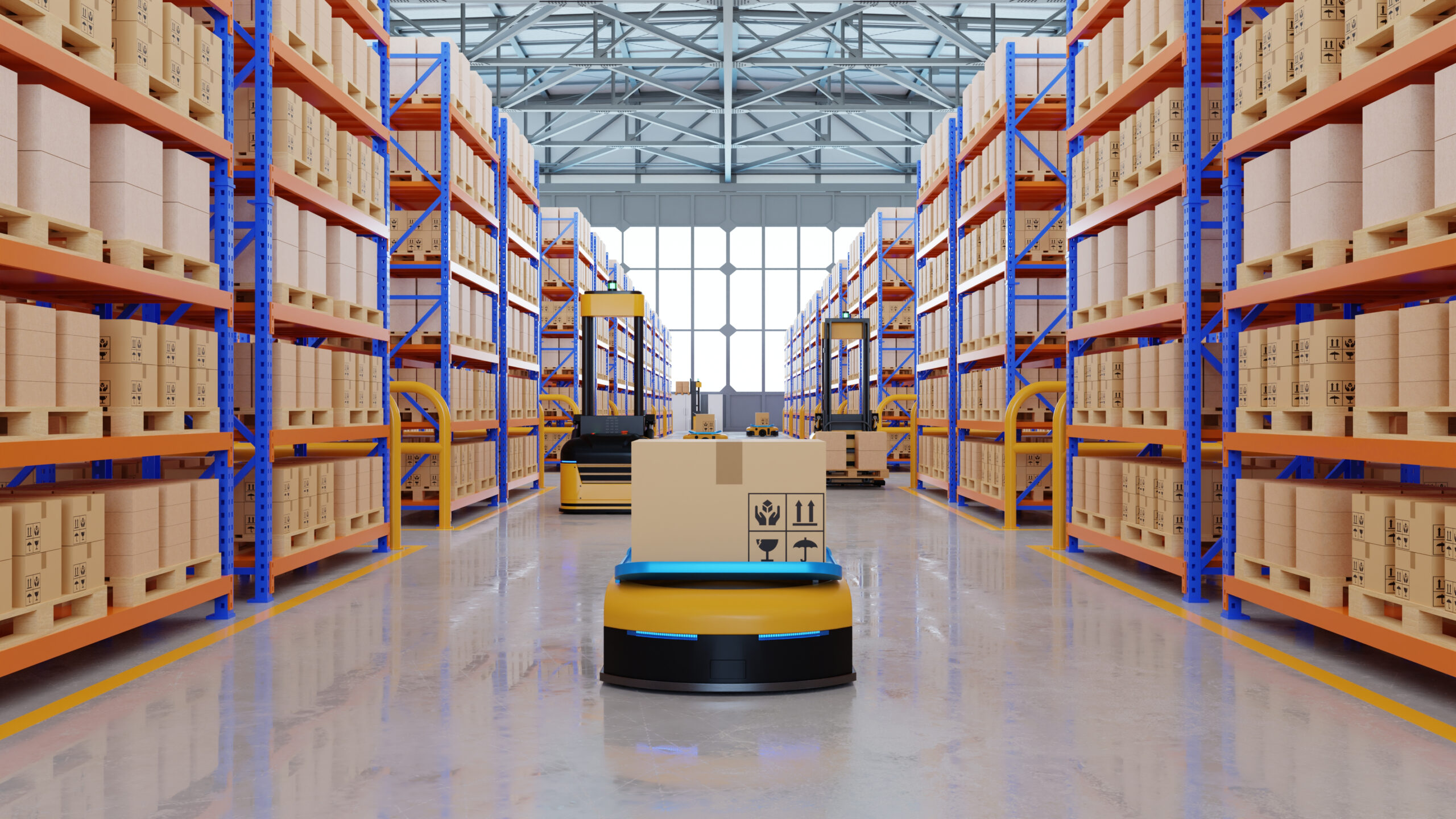
Smaller systems can be deployed inside or beside stores, supporting local ecommerce orders, click-and-collect, and rapid delivery from existing retail property. They also allow capacity to be introduced incrementally rather than through a single large distribution-centre investment.
The change follows retrenchment among established Ocado partners. Kroger and Sobeys have reduced or closed parts of their robotic fulfilment programmes, intensifying scrutiny of the volumes, delivery density, and utilisation required to support large automated facilities.
Underlying first-half earnings, excluding one-off items, declined by 12% to £81m, while the group’s shares fell to their lowest level in 13 years. Compensation associated with changed customer agreements has provided cash, although it cannot replace recurring software, maintenance, and transaction income.
New contracts will therefore be assessed on more than their initial equipment value. Ocado needs deployments capable of expanding across a customer’s network and producing durable revenue after installation.
The company retains extensive operating knowledge from its own grocery business and from technology partnerships across several markets. Translating that knowledge into smaller, repeatable formats requires a balance between standard equipment and the different property, product, and service requirements of each retailer.
Automation shifts from monuments to modules
Large ecommerce fulfilment centres can deliver strong productivity when order volumes, range, and delivery density justify the investment. Their economics weaken when demand is uneven, customer acquisition slows, or insufficient orders are routed through the building.
Store-based automation reduces part of that exposure by placing inventory closer to customers and using existing retail assets. Stores can support collection and returns alongside delivery, allowing online and physical channels to share space and labour.
Smaller installations sacrifice some economies of scale, while increasing the number of locations requiring integration, maintenance, replenishment, and inventory planning. Retailers must decide which products remain centrally stocked and which are positioned close to local demand.
Ocado’s systems must therefore operate as a coordinated network rather than a collection of automated islands. Order-management software needs to select the fulfilment point, reserve inventory, sequence work, and place parcels into delivery or collection channels without duplicating stock across too many sites.
Automation programmes are becoming more varied across the wider warehouse market. Herba’s automated rice operation applies high-throughput systems to industrial food logistics, while Amazon’s Western Sydney expansion combines large buildings with continued robotics investment.
Retailers increasingly expect automation to improve inventory accuracy, labour productivity, order speed, and space utilisation as an integrated outcome. Equipment that performs well in isolation can still fail commercially when replenishment, order allocation, or delivery operations remain poorly coordinated.
Implementation speed has also gained importance. A facility requiring several years to design and commission may enter operation after a retailer’s product range, channel strategy, or delivery offer has changed.
Modular equipment and repeatable installation methods can reduce that risk by allowing smaller commitments and quicker deployment. The same approach gives retailers scope to expand proven systems instead of forecasting their final capacity years in advance.
Competition remains intense, with shuttle systems, automated storage, mobile robots, picking technologies, and warehouse orchestration software available from a broad supplier base. Ocado must demonstrate that its integrated model delivers sufficient performance to justify a deeper and longer technology relationship.
Product complexity presents a parallel risk for Ocado itself. Supporting too many building sizes, robot configurations, and customer-specific variations could dilute the economies created by a modular strategy.
New US partner wins would establish whether the revised offer is attracting interest beyond Ocado’s existing customer base. Sustained progress will depend on those first installations expanding into repeatable networks rather than remaining small demonstration projects.