IN Brief:
- Maersk and ONCF have signed a memorandum of understanding covering integrated rail freight and logistics development.
- ONCF transported 23 million tonnes of freight across its Moroccan railway network during 2025.
- Existing container services between Tangier and Casablanca provide an operational foundation for further development.
Maersk and Morocco’s national railway operator, Office National des Chemins de Fer (ONCF), have signed a memorandum of understanding to examine opportunities to expand containerised rail freight services between maritime gateways and inland industrial regions.
Signed in Rabat on 24 November, the agreement establishes a framework for combining ONCF’s railway infrastructure and multimodal transport capabilities with Maersk’s international shipping and logistics operations.
The companies intend to examine how additional integrated logistics services could increase the proportion of containerised freight transported by rail, improve connections between ports and production centres, and support reductions in transport-related emissions.
ONCF operated 2,295 km of railway infrastructure in 2025, carrying 23 million tonnes of freight and 55.6 million passengers during the year.
The agreement accompanies the development of Morocco’s manufacturing base, particularly its automotive and aerospace industries, which depend on international movements of industrial components, raw materials, and finished products.
Growth in those sectors creates demand for inland distribution capacity alongside the expansion of Morocco’s maritime infrastructure. Imported components must reach production facilities within the periods established by manufacturing schedules, while finished products require connections with international shipping services.
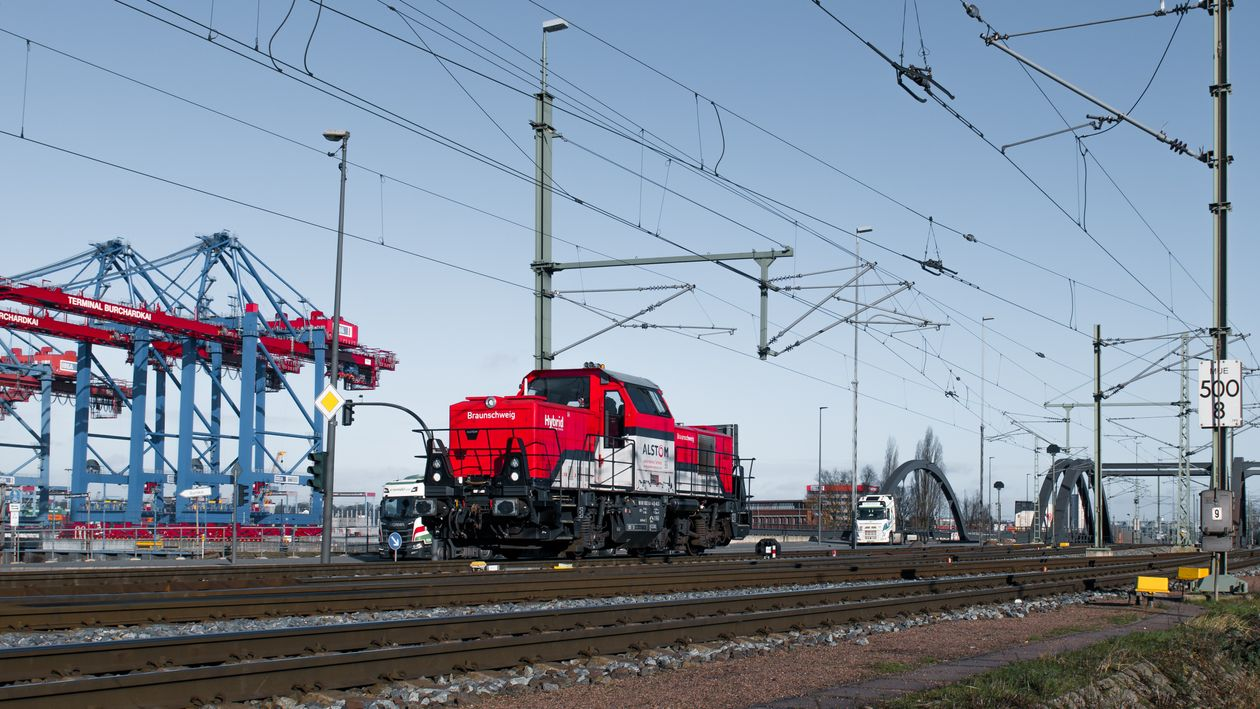
Maersk already operates an integrated rail freight connection between Tangier and Casablanca. In August, the company confirmed regular services enabling customers to route maritime imports through Tanger Med before transporting containers by rail to Casablanca.
The service incorporates inland storage, customs clearance arrangements, and final delivery by road, providing an alternative to direct maritime imports through Casablanca.
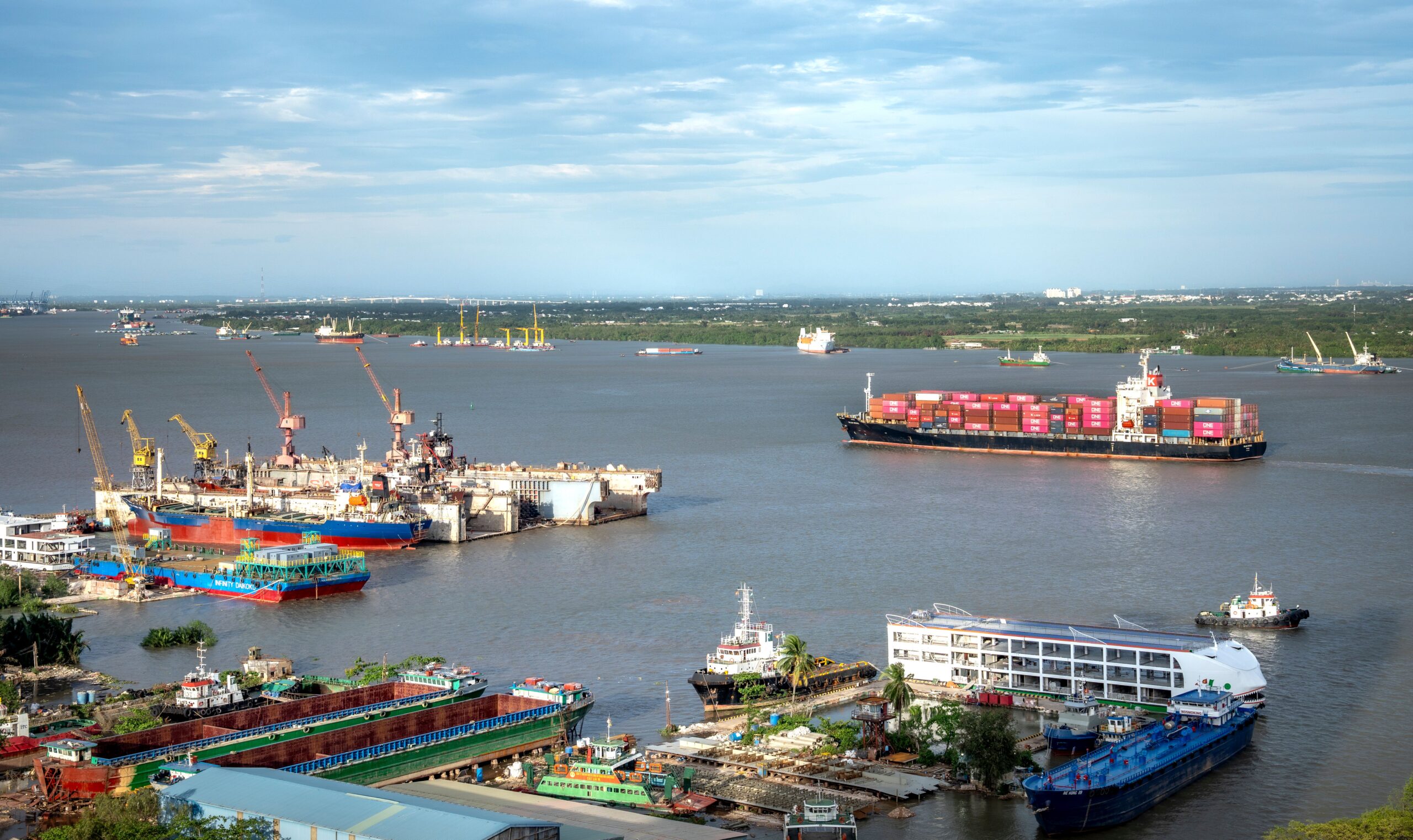
Maersk reported that the Port of Casablanca handled approximately 17 million tonnes of cargo during the first half of 2026. Earlier in November, the company also confirmed a 48% increase in the shipping capacity it deploys through Casablanca to accommodate growing demand.
Developing additional inland connections could complement that expansion by increasing the number of commercially viable routes through which goods reach manufacturing and distribution facilities.
Rail services can consolidate substantial volumes of containerised freight within individual train movements. Where sufficient demand exists between established origins and destinations, this can reduce reliance on multiple long-distance road journeys.
The commercial performance of such services depends on the capacity and configuration of the facilities connecting maritime and railway operations.
Containers arriving at a port must be transferred from vessel discharge operations to suitable rail loading infrastructure. Terminal personnel need to coordinate those movements with train departure schedules, container availability, and the operational requirements of individual shipments.
At inland terminals, arriving containers must be discharged and organised for collection or subsequent transportation to their final destinations.
Insufficient handling capacity at either location can restrict the volume of goods carried by rail, even where available train paths and rolling stock could accommodate additional freight.
The provision of regular departures is particularly important to manufacturers operating replenishment schedules based on anticipated production demand.
Less frequent services can require companies to retain additional inventory or organise alternative transportation when delivery requirements cannot be accommodated within the existing railway timetable.
Automotive supply chains illustrate the commercial consequences of such constraints. Production facilities depend on coordinated deliveries of components from numerous suppliers, with delays affecting individual shipments potentially interrupting manufacturing activities involving substantially greater quantities of materials.
Integrated logistics arrangements can provide manufacturers with more consistent information about cargo movements across different transport modes. Maintaining visibility of containers from maritime discharge to final delivery can also help identify where delays are developing and where alternative capacity may be required.
The memorandum identifies environmental performance as another potential benefit of further rail freight development.
Replacing multiple long-distance road movements with consolidated railway services can reduce transport-related emissions, depending on train utilisation, traction technology, and the distances travelled by road at either end of the movement.
The environmental performance of individual services must therefore account for the complete journey, including terminal handling and any additional transport required to connect industrial facilities with rail infrastructure.
Maersk and ONCF have not identified specific additional routes, committed investment figures, or announced a timetable for introducing new commercial services under the agreement.
The existing Tangier–Casablanca connection provides a practical model against which additional projects can be assessed. Further development will depend on establishing sufficient cargo demand and identifying the railway, terminal, and inland transport capacity required to connect other industrial regions with Morocco’s international maritime network.