IN Brief:
- ParcelHero says disruption around the Strait of Hormuz is increasing pressure on both ocean freight and air cargo.
- Higher energy costs, longer routings, and tighter capacity are expected to feed through into UK import prices.
- Retail supply chains handling apparel, electronics, furniture, and other imported goods could face fresh cost and availability risks.
ParcelHero has warned that disruption linked to conflict around the Strait of Hormuz is likely to push up the cost of imported goods in the UK, as higher energy prices, shipping disruption, and constrained air cargo capacity feed through into supply chains.
The delivery specialist said the effects were already being felt across freight markets, with importers and exporters facing higher transport costs even if the immediate military situation were to stabilise. The company said the combined impact of fuel volatility, port congestion, and rerouted cargo flows could leave retailers paying more for inbound stock in the months ahead.
David Jinks, head of consumer research at ParcelHero, said the consequences were already spreading well beyond oil markets. “Beyond energy markets, the longer-term effects on manufacturing and logistics are now beginning to emerge,” he said. “Many major transport corridors have been heavily disrupted.”
ParcelHero said the Strait of Hormuz remains a critical chokepoint for global trade, and warned that reduced flows through the route would raise transport and logistics costs across Europe. The company said this would be particularly significant for energy-intensive sectors including chemicals and manufacturing, with wider effects on sourcing and finished goods costs.
Jinks said China could also face substantial disruption because of its dependence on the strait for oil and key industrial inputs. “Rising costs and supply volatility could lead to production cutbacks in China’s industrial supply chains, particularly in automotive and technology manufacturing,” he said.
That has direct implications for UK importers. Britain remains heavily exposed to Chinese supply in categories ranging from electronics and toys to furniture and fast-moving consumer goods. If manufacturing costs and export pricing rise upstream, UK retailers will have little room to avoid the effect completely.
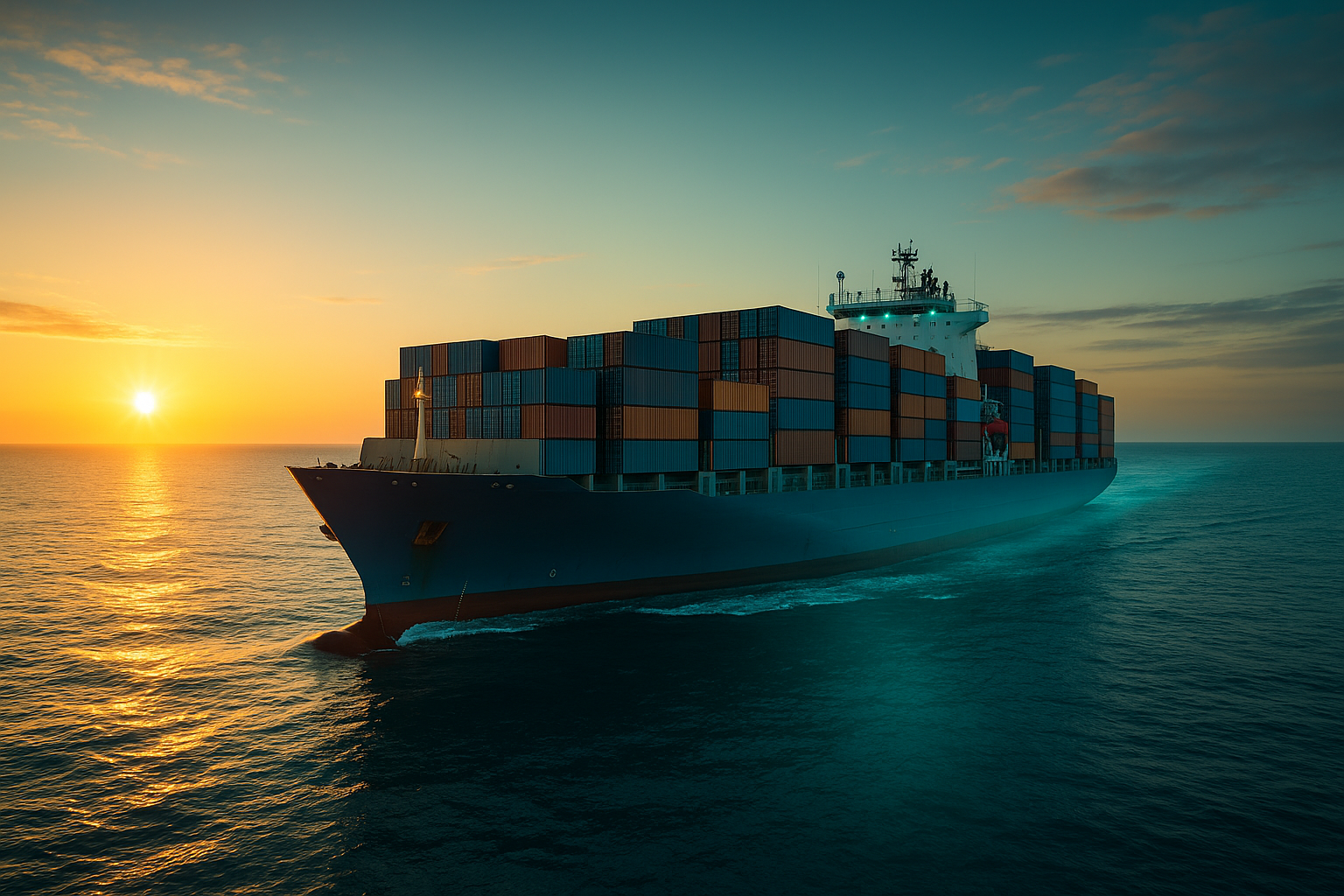
ParcelHero also pointed to further strain on container shipping, arguing that carriers are now contending with disruption around Hormuz while many services have already been operating on longer routings to avoid the Red Sea. “The Middle East conflict is also causing congestion at ports far from the region as ships are rerouted,” Jinks said. “Significantly more shipping will now opt to sail around the Cape of Good Hope – a detour that is already now absorbing roughly 2.5 million TEUs of global container capacity and that will add 10-14 days and considerable cost to journeys.”
Air freight is also under pressure. ParcelHero said cargo capacity had been hit by airspace disruption and cancelled flights through major regional hubs, with knock-on effects for time-sensitive goods ranging from fashion and perishables to components. Jinks said the strain was particularly important because “54% of the world’s total air freight is actually transported in the bellyhold of passenger aircraft, rather than dedicated cargo planes.”
The company said that combination of maritime and air disruption was likely to be felt across retail supply chains first, especially in categories dependent on regular replenishment and short lead times. “From toys to electronics to furniture, expect prices to rise in the coming months,” Jinks said.