IN Brief:
- Philippine customs has simplified electronic customs seal arming for export shipments from customs bonded warehouses.
- The rules sit within the E-TRACC system, which uses GPS-enabled seals to monitor cargo movement, diversion, and tampering.
- The change gives bonded warehouse operators, exporters, and freight teams a clearer operating process for export container sealing.
The Bureau of Customs has issued new rules simplifying electronic customs seal arming procedures for export shipments from customs bonded warehouses under the Electronic Tracking of Containerized Cargoes system.
The rules are set out under Assessment and Operations Coordinating Group Memo No. 98-2026 and support the implementation of Customs Memorandum Order No. 04-2020, which established E-TRACC. The system tracks inland movement of containerised cargo during transit and transfer to other customs territories and facilities, giving customs authorities real-time visibility of cargo location, status, diversion, and tampering risks.
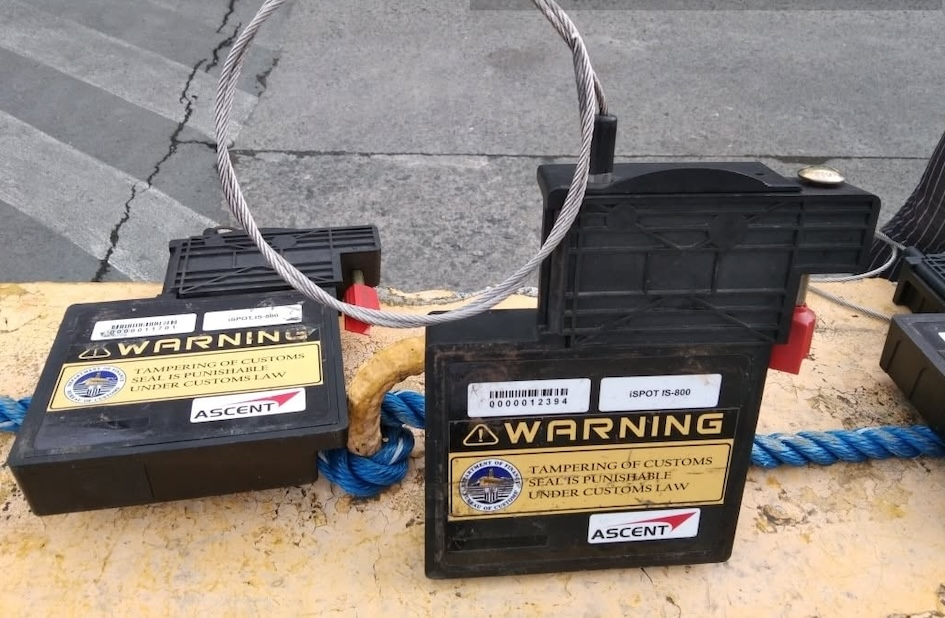
Electronic customs seals are GPS-enabled devices that physically secure cargo while providing real-time location data. Under the revised procedure, warehousemen and other authorised customs personnel, the E-TRACC service provider, and authorised representatives from a customs bonded warehouse operator’s accredited member-exporter may handle arming.
Customs bonded warehouse operators must request arming and sealing at least three days before cargo is stuffed into containers. Requests are submitted through official communication to the assigned warehouseman, while booking for the electronic seal is made through the E-TRACC system. The service provider must deliver the physical seal within 24 hours of booking, with unused devices returned if they are not used within two days.
Fallback arrangements have also been set out for cases where assigned customs personnel are unavailable. District collectors may authorise customs employees in writing for six-month periods, while exporters and bonded warehouse operators using their own authorised representatives must execute an affidavit of undertaking. That document makes the named officer and the operator accountable for compliance with the E-TRACC system.
The change gives bonded warehouse export movements a clearer sequence of responsibility. Sealing, arming, booking, location data, and exception alerts are all part of the same compliance trail, creating a more verifiable handover between warehouse, exporter, forwarder, customs, and carrier.
In bonded warehouse environments, goods often move under duty suspension, regulatory control, or export documentation requirements. Delays in seal availability, uncertainty over who may arm the device, or failure to book a sealing slot can quickly move from administrative inconvenience into missed cut-offs, storage cost, overtime, and shipment delay.
The Philippines has been adding more digital structure around trade processes, including PEZA’s ESG reporting platform for exporters, which created a new route for economic zone locators to submit sustainability data. That development, covered at PEZA launches ESG reporting platform for exporters, shows how export compliance is moving beyond customs documentation alone and into more continuous digital reporting.
The E-TRACC update sits in the same broad movement toward shipment-level visibility. Customs authorities globally are reducing dependence on paper-led controls and increasing their use of pre-arrival data, real-time monitoring, and risk-based exception alerts. The operational reward is faster legitimate trade; the enforcement reward is a clearer view of cargo moving outside approved routes or declared procedures.
Exporters now need to align internal routines with the revised booking and accountability requirements. Authorised personnel, advance booking windows, unavailable customs staff, unused device returns, and affidavit responsibilities should sit inside standard export operating procedures rather than being handled shipment by shipment.
The practical test will come at bonded warehouse level, where sealing deadlines meet loading schedules, customs availability, carrier cut-offs, and freight forwarder documentation. A clearer rulebook reduces uncertainty, but consistent implementation will decide whether export cargo moves more smoothly through the gate.