IN Brief:
- The ShipBob MCP supports more than 70 read-and-write operational actions.
- Merchants can use an Anthropic-verified connector or ShipBob’s Bobby agent.
- Mobile robots and AI cameras extend the suite onto warehouse floors.
ShipBob has launched an artificial intelligence suite spanning merchant software, warehouse workflows, robotics, and returns inspection. The package is anchored by the company’s model context protocol layer, which connects approved AI tools to live fulfilment data and allows authorised users to carry out operational actions rather than only retrieve information.
The company says its MCP supports more than 70 read-and-write actions across ten areas of the operation. Users can query stock or order status, create inbound receiving orders, update orders held in exception, reroute shipments, reorder a product, and carry out other tasks through ShipBob’s dashboard agent or connected external assistants.
ShipBob’s connector has been verified by Anthropic and listed in the Claude directory. Merchants can also use Bobby, an in-dashboard agent currently in beta, while a separate AI Hub provides access to connected tools and a record of actions taken through the MCP. The company presents that visibility layer as a control mechanism for software capable of changing live fulfilment instructions.
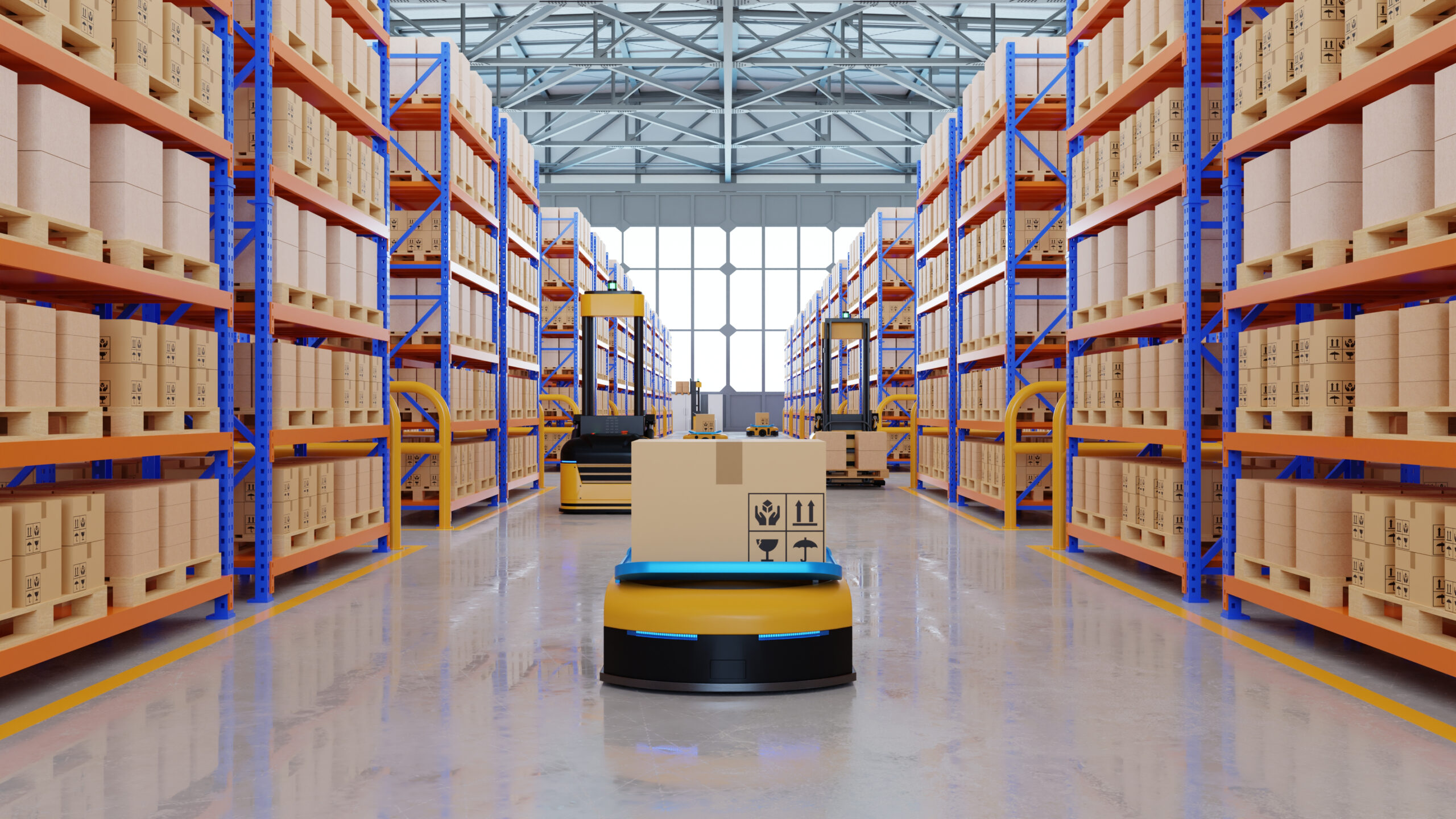
The launch extends beyond office software. ShipBob is deploying autonomous mobile robots across parts of its network ahead of the 2026 peak season, with further sites planned, and intends to use AI-powered cameras to inspect returned products. The vision system is designed to assess items against merchant-defined standards and classify them for resale, refurbishment, or write-off.
The operational significance lies in the link between a language interface and the physical fulfilment system beneath it. Generating an answer about an order is relatively straightforward when the data is accessible; changing the order, selecting another service, or moving inventory requires permissions, validated business rules, and reliable execution across warehouse and carrier systems. ShipBob’s proposition depends on owning enough of that underlying stack to translate an instruction into an action.
That capability also raises the standard for control. A mistaken answer is inconvenient, but a mistaken write action can release the wrong order, change a shipping method, create unnecessary cost, or distort inventory. Audit trails, role-based access, approval thresholds, reversibility, and exception handling will determine whether merchants allow the system to move from assisting staff to acting with greater autonomy.
The AI Hub is intended to show every action taken through the MCP by a user or connected tool. Visibility after an event is useful, but it is not the same as preventing an unsuitable action. Fulfilment teams will need policies covering who can connect an assistant, which operations it may perform, what financial or service limits apply, and when human approval remains compulsory.
ShipBob’s 70-plus actions also carry different levels of risk. Looking up inventory by location is a read task; reordering stock, rerouting a parcel, or bulk-updating exception orders can affect cash, service, and customer commitments. A controlled deployment will separate routine, low-risk actions from decisions requiring commercial judgement or knowledge not contained in the fulfilment platform.
On the warehouse floor, autonomous mobile robots address movement rather than decision-making alone. Repetitive travel can consume a large share of labour in fulfilment buildings, particularly where workers move between storage, picking, packing, and sortation areas. Robots can reduce that travel, but gains depend on layout, demand profile, traffic management, task allocation, maintenance, and safe operation alongside people.
Returns inspection presents a different challenge because product condition can be subjective. Computer vision may accelerate the initial assessment and apply merchant rules more consistently, yet lighting, packaging damage, contamination, missing accessories, and product variation can complicate classification. Merchants will need evidence that automated grading produces acceptable resale and write-off decisions before trusting it with high-value or safety-sensitive goods.
The suite is aimed primarily at consumer-brand fulfilment, but its architecture reflects a wider supply-chain shift. Operational software vendors are moving from dashboards that explain activity towards systems that can initiate it. That change promises faster exception handling and leaner administrative work, while placing more weight on data quality and process discipline. An agent cannot compensate reliably for duplicated product records, uncertain stock ownership, inconsistent carrier rules, or poorly defined service priorities.
ShipBob says merchants already make thousands of daily requests through the MCP. Usage volume demonstrates interest, but it does not establish productivity savings, error reduction, or improved customer service. Those outcomes will require measured comparisons between automated and manual processes, including the cost of supervision and the consequences of incorrect actions.
The company has fulfilled more than one billion units and operates a network large enough to test software and robotics across different sites and demand patterns. That scale can accelerate learning, although a feature proven in one facility or product category may not transfer neatly to another. Merchant configuration, local labour, building design, carrier availability, and product characteristics will continue to shape performance.
ShipBob is combining the visible AI interface with the less glamorous machinery of fulfilment: inventory records, permissions, warehouses, robots, returns, and transport decisions. The launch will be credible where those layers remain controlled and measurable. Its benchmark is not how naturally the system accepts a request, but whether the correct physical action follows without creating another exception downstream.