IN Brief:
- The Getafe vehicle rental depot covers 153,292 square feet on 4.6 acres.
- The Sant Boi electric bus depot includes high-capacity charging near Barcelona airport.
- Both assets extend Redevco’s industrial outdoor storage strategy into Spanish urban logistics.
Redevco has acquired two fully let industrial outdoor storage assets in Madrid and Barcelona, extending its logistics investment platform into Spanish fleet and urban transport infrastructure. The properties comprise a vehicle rental depot in Getafe and an electric bus depot in Sant Boi, both close to major roads and airports.
The Getafe asset covers 153,292 square feet on a 4.6-acre site within Madrid’s first logistics ring. It is leased to Northgate, part of ZIGUP, which has operated from the location since 2008 and has invested in the property during its occupation.
The Sant Boi site covers 122,881 square feet across three acres near Barcelona–El Prat Airport. It has been redeveloped as an electric bus depot and is fully let to Monbus, with high-capacity charging infrastructure installed to support the operator’s transition towards electric mobility.
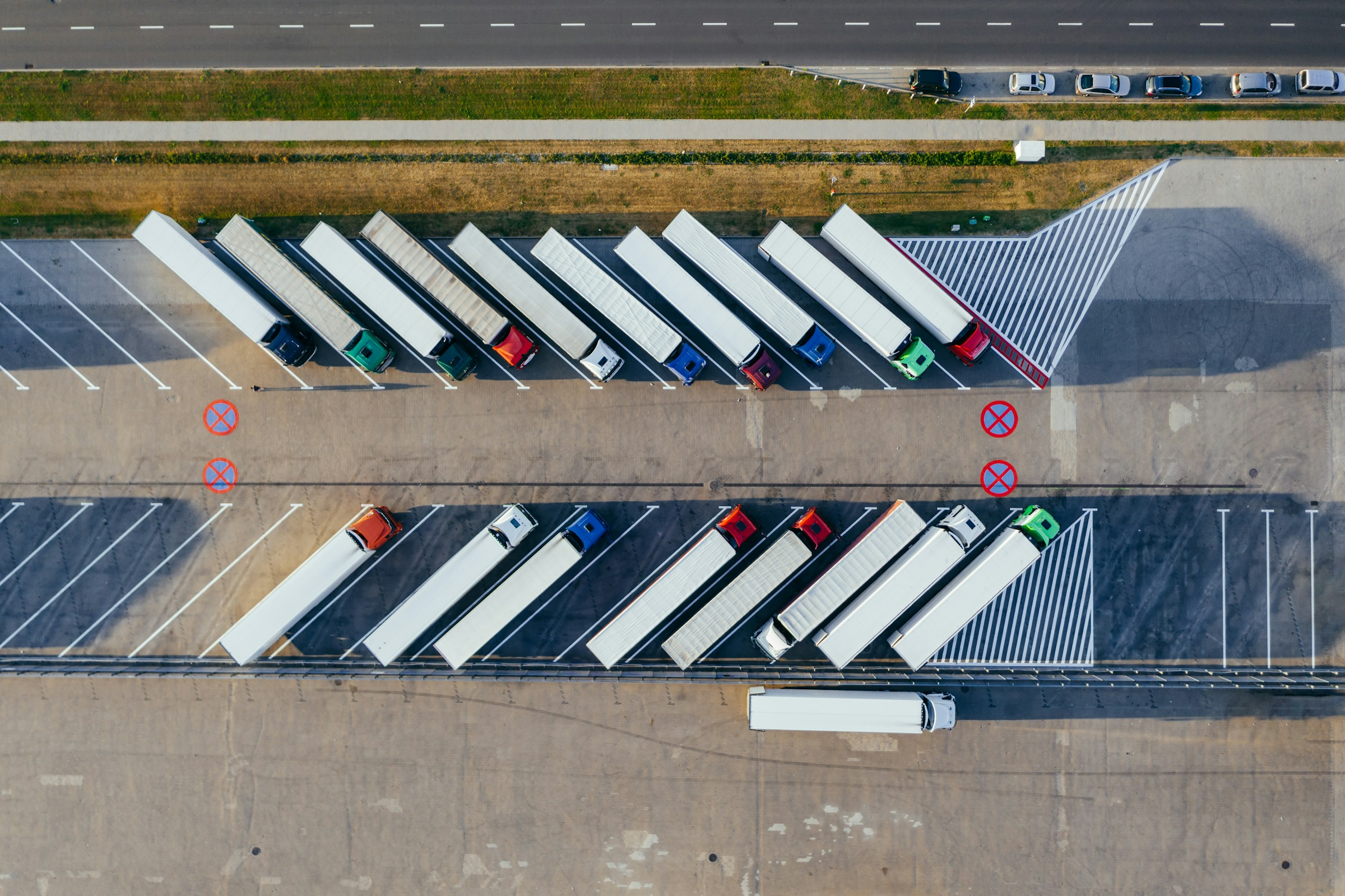
Both transactions fall within industrial outdoor storage, where the operational value of a property often sits in its yards, vehicle circulation, parking, charging, servicing areas, and access rather than a high ratio of enclosed warehouse space. Open land is part of the working infrastructure, not unused space awaiting development.
Getafe’s role is tied to fleet availability. A rental depot needs room to receive, inspect, prepare, park, maintain, and dispatch vehicles while preserving safe movement across the site. Its value depends on road access, proximity to customers, local labour, and the ability to operate consistently in a metropolitan market where comparable sites can be displaced by higher-density uses.
Sant Boi has a different operating profile. Bus depots must manage parking, cleaning, maintenance, driver facilities, dispatch, and charging within a fixed daily timetable. Electrification adds power capacity, charging equipment, load management, fire safety requirements, and longer-term questions about battery performance and grid availability.
The charging infrastructure turns the Barcelona property into more than a passive yard. Depot design influences how many vehicles can be charged, how quickly they return to service, and whether power demand can be managed without disrupting operations. A well-located site with installed capacity can become harder to replace as public and private transport fleets move towards electric vehicles.
The Spanish purchases follow Redevco’s acquisition of a Widnes logistics and fleet facility supporting Jaguar Land Rover. The transactions are separate, but they show the same investment focus: properties where vehicle movement, maintenance, open storage, and transport access create value beyond the building footprint.
The Getafe and Sant Boi acquisitions also broaden the platform’s tenant base. Northgate operates in vehicle rental and fleet mobility, while Monbus runs regional and airport transport services. Both occupiers rely on physical networks that cannot be shifted into offices or remote systems, giving the underlying sites a clear operating purpose.
Industrial outdoor storage is not automatically low risk. Sites can be heavily specialised, environmental obligations may be material, and a landlord can face significant capital expenditure when vehicle technology or operating standards change. Lease length, tenant covenant, permitted use, power availability, and the cost of adapting yards or workshops remain central to the investment case.
Urban land scarcity strengthens the appeal but also raises competition from other uses. Depots close to Madrid and Barcelona serve dense markets and major transport corridors, yet residential, commercial, and higher-density industrial development can place pressure on land values and planning policy. Once a functioning depot is lost, replacing it farther from the operating area can increase empty mileage, labour time, and service risk.
Redevco has not disclosed the purchase prices for the two properties in the available transaction details. Without that information, rental yield and acquisition valuation cannot be assessed. The assets are fully occupied and strategically located, but returns will still depend on lease income, capital requirements, and long-term tenant demand.
Ownership of operational depots also requires closer landlord–tenant coordination than a simple storage lease. Charging upgrades, workshop changes, drainage, surface condition, vehicle flows, and compliance work can affect daily service. Capital plans must therefore be agreed around live operations, particularly at Sant Boi, where electrical capacity and charging reliability are integral to the tenant’s timetable.
The acquisitions extend a logistics platform increasingly centred on transport-oriented property rather than conventional big-box warehousing. In Madrid, the principal asset is a long-established fleet depot; in Barcelona, it is an electrified bus base with airport access. Both illustrate how vehicles, charging, servicing, and urban access are becoming investable logistics infrastructure in their own right.