IN Brief:
- C&H warehouse employees have returned during negotiations scheduled to continue through 30 September.
- The strike disrupted raw cane sugar deliveries and prompted alternative terminal arrangements and sympathy action.
- Buyers should monitor fulfilment and lead times because the underlying labour dispute remains unresolved.
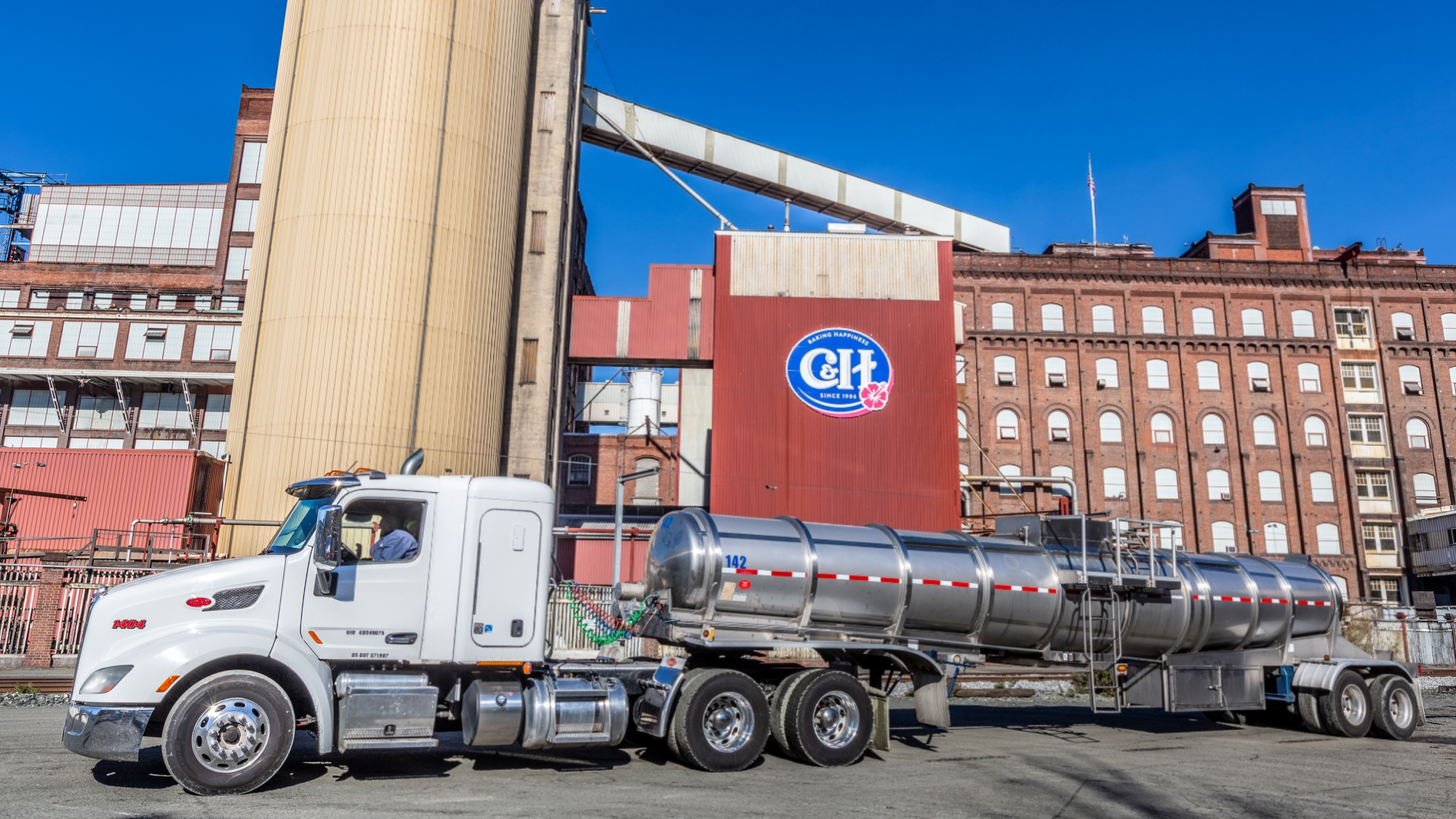
C&H Sugar has restored warehouse operations at its Crockett refinery in California while the company and International Longshore and Warehouse Union Local 6 enter a 60-day period of renewed contract negotiations.
Around 90 to 100 warehouse employees had been on strike since 15 June after their previous agreement expired at the beginning of the month. Under a joint statement issued on 27 July, the workers agreed to return while negotiations continue through 30 September, with C&H executives and ILWU international officers expected to participate.
The pause removes an immediate labour constraint from one of the largest cane sugar refineries in the United States. It does not amount to a new labour agreement, and the parties remain divided over retiree healthcare, sick leave, overtime rules, wages, and working arrangements.
The dispute had already spread beyond the refinery gates. Raw cane sugar deliveries were disrupted, alternative terminal arrangements were used, and members of another ILWU local declined to cross picket lines when cargo was routed through Richmond. Sympathy action also interrupted activity at three California ports, turning a plant-level contract dispute into a wider logistics event.
A refinery dispute reached maritime flows
The Crockett refinery normally processes about six million pounds of sugar each day. Keeping that operation supplied requires raw cane sugar to move through maritime terminals, into storage, and through refining, packing, warehousing, and outbound distribution without long breaks between stages.
Warehouse labour sits near the end of that sequence, but its effect reaches in both directions. Finished product that cannot be stored, picked, or dispatched consumes space inside the plant, while delayed raw-material movements can restrict the refinery before production begins. Replacement labour allowed C&H to continue operating, although the company also rerouted some inbound sugar through other terminals.
That contingency demonstrated both the value and the limits of alternative gateways. A cargo can be assigned to another terminal, but the change still requires berth availability, handling labour, inland transport, security, documentation, and acceptance by organisations working along the revised route. Where workers honour another union’s picket line, nominal capacity may remain unavailable in practice.
C&H said during the dispute that industrial sugar refining faces flat demand, rising raw-material and energy costs, regulatory pressure, and continued consolidation. It argued that changes to working practices were needed to support the long-term viability of Crockett, while the union said the proposed terms would reduce established overtime, sick-leave, and retiree benefits.
Those positions remain unresolved. The 60-day arrangement creates space for bargaining, but it also postpones the operational decision point to the end of September. Buyers and logistics providers cannot treat the return to work as proof that the risk has disappeared.
The episode resembles disruption risks elsewhere in contract logistics, where a relatively small workforce can control a critical interface between manufacturing and transport. DHL labour action affecting Jaguar Land Rover flows showed the same concentration of leverage around warehouses, drivers, and sequenced production logistics.
Continuity now depends on more than stock
Sugar buyers may hold buffer inventory, but refined food ingredients are distributed through networks with packaging formats, quality specifications, customer allocations, and delivery schedules that limit how easily one source can be substituted for another. A prolonged interruption at a major western refinery could therefore affect customers differently even where the wider US market remains supplied.
The strike also exposed the interaction between manufacturing labour and port labour. Companies often model industrial action at a plant, carrier, or terminal as separate scenarios, yet union relationships can connect those nodes quickly. A rerouting plan that assumes cargo will move normally through another port may fail when workers there support the original dispute.
For C&H, the return of warehouse employees should improve routine receiving, storage, order preparation, and dispatch. The company will still need to unwind altered transport arrangements, restore ordinary shift patterns, and assess whether inventory accumulated in the wrong part of the system during the stoppage.
Customers should monitor order fulfilment rather than the formal end of the picket line. Service levels, lead times, allocation changes, and delivery reliability will show whether refinery and distribution operations have fully normalised, while supplier communication should distinguish temporary recovery measures from ordinary capacity.
The agreement through 30 September provides a defined period in which both parties can negotiate without an active strike. It also creates a visible deadline. Should talks fail again, the supply chain would enter a second disruption with customers, workers, terminals, and transport providers already aware of where the pressure points sit.
Crockett is running with its warehouse workforce back on site, but the underlying risk has moved rather than vanished. The next two months will determine whether the refinery returns to a stable labour model or whether raw sugar, port handling, and finished-product distribution face another round of contingency planning.