IN Brief:
- Paircargo had processed 2.36 million kilograms of backlogged cargo by 1 August, although final release still depended on customs and consignee documentation.
- The new satellite facility is a customs-bonded warehouse able to handle breakdown, build-up, storage, processing, release, and cold-chain work.
- Combined capacity is intended to stabilise live-flight handling before Philippine air cargo volumes rise during the year-end peak.
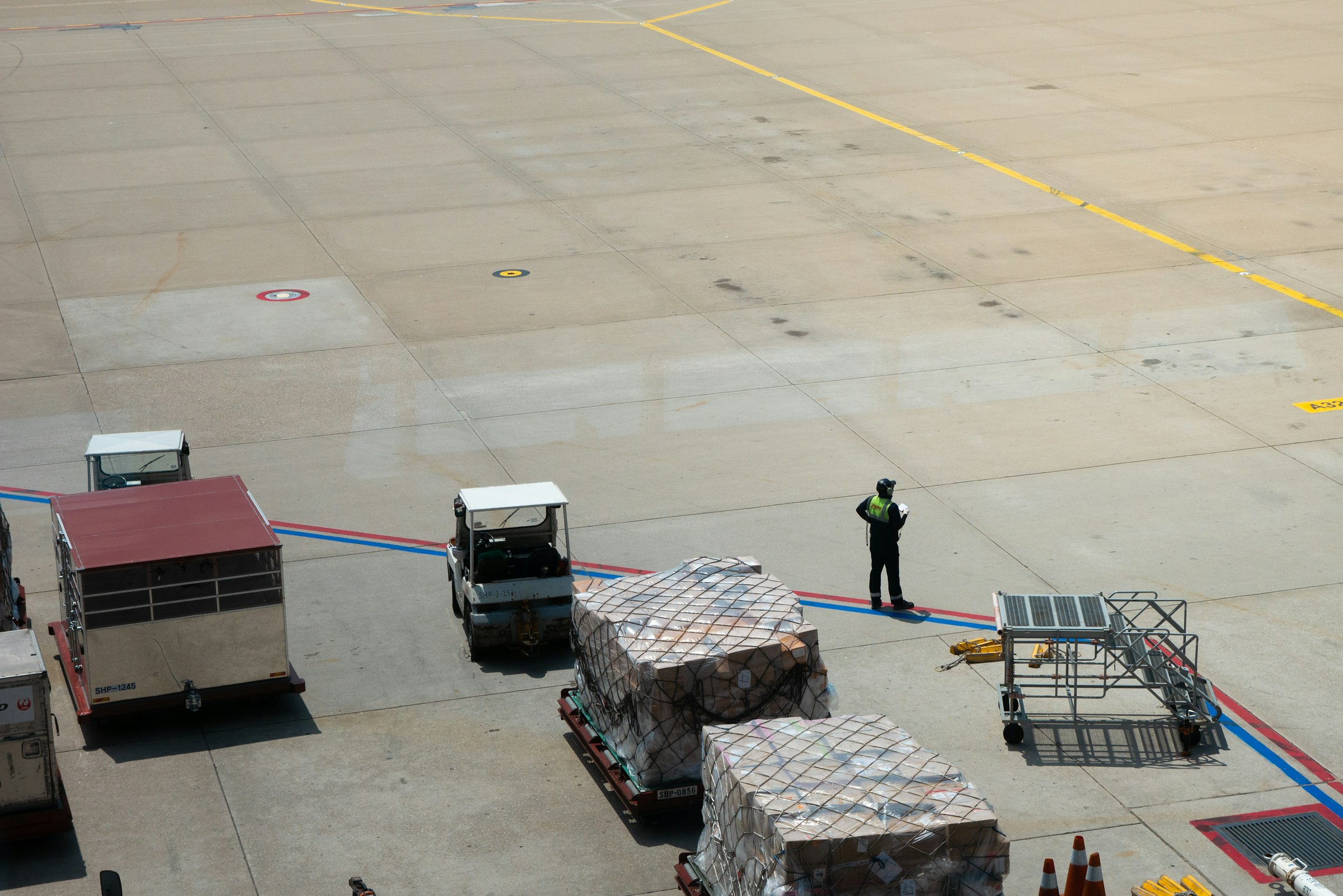
Paircargo has processed the remaining cargo backlog at Ninoy Aquino International Airport and opened a customs-bonded satellite warehouse to add handling capacity at the Philippine gateway.
As of 1 August, 2.36 million kilograms of previously backlogged cargo had been processed and made ready for release. Final collection remained subject to consignees completing customs and documentary requirements, an important distinction from cargo having physically left the airport.
The company had reported 2.954 million kilograms pending release on 27 July. That cargo was subsequently broken down, transferred into the main facilities, stored, and prepared for release, allowing Paircargo to resume normal operations while continuing to handle shipments arriving on live flights.
The Paircargo Satellite Cargo Facility opened on 1 August and forms part of the longer-term handling network at NAIA. The warehouse can perform cargo breakdown and build-up, customs-approved storage, processing, releasing operations, and cold storage, rather than acting only as an overflow location.
Capacity pressure moved through the gateway
The backlog developed after a reduction in warehouse capacity at the airport. The Philippine Skylanders International facility was reclaimed for redevelopment following the 2024 takeover of NAIA by New NAIA Infra Corp, while Miascor had ceased operating its customs-bonded warehouse in 2018. That left Paircargo and Cargohaus as the two remaining multi-carrier customs-bonded warehouse operators.
Paircargo handles about 70% of NAIA’s air cargo volume because it has direct ramp access. When freight was redistributed after the capacity loss, the company absorbed a sharp increase in volumes through an operating system that had previously been clearing cargo broadly in line with arrivals.
Its average cargo release rate was 99% during the first quarter of 2026, before falling to 81% in the second quarter. Paircargo released 19,099 kilograms in May, 644,468 kilograms in June, and 4.308 million kilograms during the first 27 days of July, taking the May-to-July total to 4.971 million kilograms by 27 July.
Temporary overflow also reduced as the recovery progressed. Around 755 unit load devices had been held in remote staging areas at the height of the congestion, but that number had fallen to 40 by 21 July. The figures show how quickly a warehouse constraint can spread into aircraft containers, ground-handling space, customs processes, and importer collection schedules.
The satellite warehouse is estimated to accommodate 24.24 million kilograms of cargo each month. Its value lies less in the headline capacity than in the functions placed within that space: freight can be broken down, stored under customs control, processed, and released without returning every activity to the main warehouse.
That is especially relevant for temperature-sensitive goods. Cold storage within the satellite operation creates an additional controlled point for pharmaceutical, food, and other time-critical consignments, although capacity alone does not remove the need for validated handling procedures, monitoring, and timely customs clearance.
The recovery combined physical capacity with changes to operating hours and release procedures. Extra floor space would have had limited effect if customs processing, consignee documentation, or truck collection remained restricted to the same narrow windows that contributed to cargo dwelling in the first place.
Recovery still depends on coordinated release
The Bureau of Customs extended operating hours at NAIA and introduced 24-hour cargo releasing during the recovery period. Paircargo also coordinated with airlines, freight forwarders, customs brokers, importers, logistics providers, and the airport operator, reflecting the number of organisations involved before a shipment can leave the gateway.
Air cargo backlogs are often described as warehouse problems, but storage is only one part of the constraint. Documentation, customs assessment, consignee readiness, equipment availability, ramp access, and vehicle collection all influence the speed at which processed freight is converted into cleared space.
Recent airport investments elsewhere have followed the same operational logic. Gatwick’s acquisition of its World Cargo Centre brought a strategically important handling site directly into the airport estate, reinforcing the connection between property control and freight capacity.
At NAIA, the immediate backlog has been organised and processed, but the recovery will be tested by the next increase in volumes. Paircargo’s new facility should provide more room and a broader set of bonded functions, while the remaining risk sits in whether release processes across the wider cargo community can keep pace when traffic builds again. Peak-season volumes will provide the first meaningful test.