IN Brief:
- National Forklift Safety Day 2026 will focus on technician safety.
- UKMHA is pairing the campaign with manual handling training and a Safe Working Area Charter.
- The initiative broadens forklift safety beyond truck operation to include maintenance and service conditions.
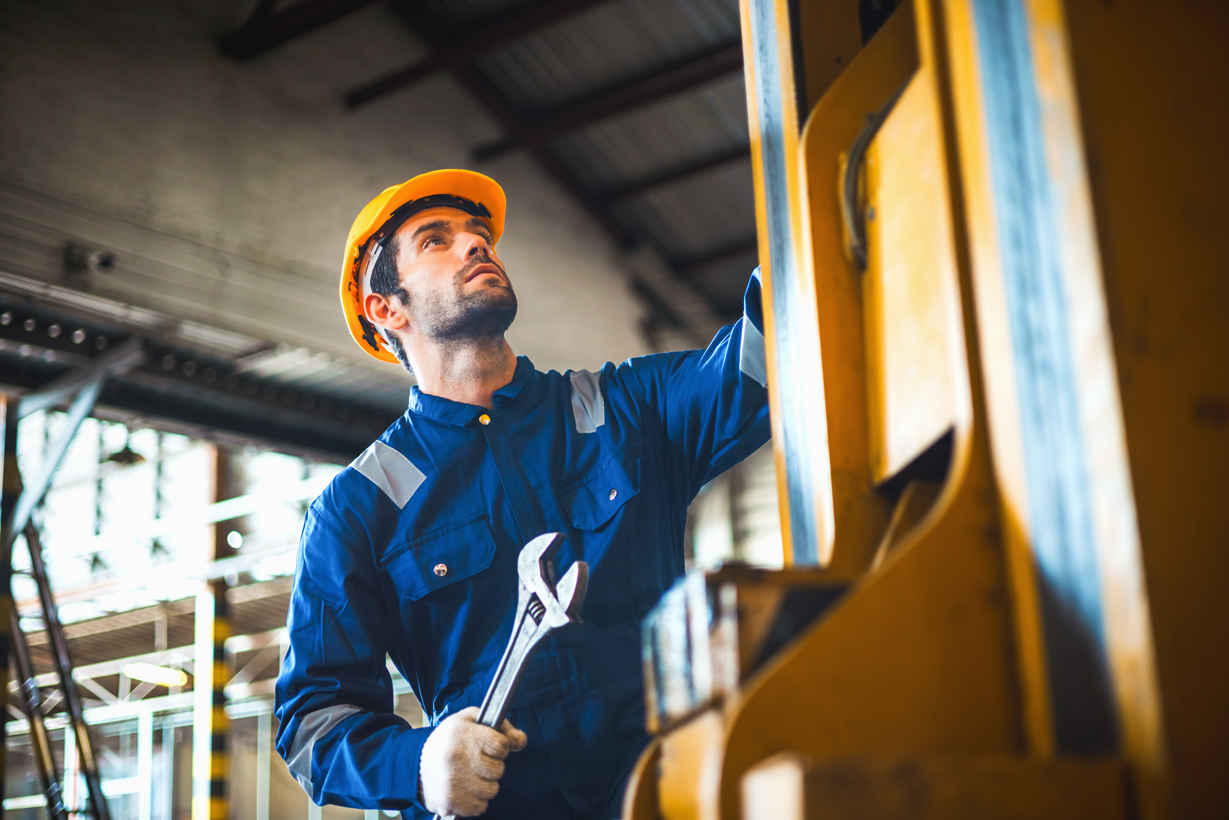
The UK Material Handling Association has set technician safety as the theme for National Forklift Safety Day 2026, shifting this year’s campaign towards the engineers and service teams responsible for keeping forklift fleets safe, compliant, and operational across the UK.
The campaign will take place on 9 June and places a clear emphasis on the conditions surrounding maintenance work, site access, manual handling, and day-to-day service activity at customer premises. According to figures released alongside the campaign material, UK forklift suppliers lost more than 1,000 working days a year on average to workplace injuries between 2019 and 2025, with 85% of those incidents involving technicians working on customer sites. More than one in five time-loss injuries were linked to manual handling failures, while 30% occurred when technicians were not actively working on the equipment itself.
To support the campaign, UKMHA is rolling out manual handling training tailored to material handling service work, supported by a specialist training provider, with train-the-trainer sessions intended to help member companies deliver the material more directly across their own organisations. The association is also calling on end users to sign up to its Safe Working Area Charter, aimed at improving the conditions technicians encounter when attending site.
The focus is well chosen. Forklift safety campaigns have often centred on operators, pedestrians, segregation, and vehicle use, all of which remain essential. But the maintenance side of the industry carries its own exposure. Engineers are frequently working in customer environments they do not control, dealing with varying standards of housekeeping, lighting, access, isolation practice, and site discipline. The truck may be the centrepiece of the visit, but the risk profile extends well beyond the machine.
That has become more pronounced as material handling equipment grows more complex. Fleets now combine conventional mechanical service demands with higher expectations around electronics, telematics, batteries, charging infrastructure, and uptime performance. At the same time, service windows have tightened as warehouse and production operations push for faster response and less disruption. In practice, that means more work being carried out under time pressure in live operating environments.
The NFSD 2026 approach acknowledges that reality by widening the safety conversation from truck operation to the conditions around inspection, repair, and maintenance. That is likely to resonate across the service chain, from dealer workshops and field engineers to warehouse managers and site leaders responsible for making sure visiting technicians have a safe and workable space in which to operate.
The training offer listed on the NFSD site reflects that wider framing. Alongside manual handling for MHE technicians, the campaign is promoting train-the-trainer provision and introductory first aid content, while additional bite-sized resources are due to follow. The intention appears to be practical rather than ceremonial: give the sector tools it can use, and put the responsibility for safer service conditions on both suppliers and users.
National Forklift Safety Day has been running since 2014. This year’s focus suggests the campaign is continuing to evolve away from generic safety messaging and towards the specific failure points that continue to produce injuries in daily operations. That is where the strongest industry campaigns usually end up — closer to the work itself, and less willing to treat service risk as something separate from operational safety.