IN Brief:
- VinFast and Bespoke Logistics will operate an integrated electric motorcycle centre in Carmona, Cavite.
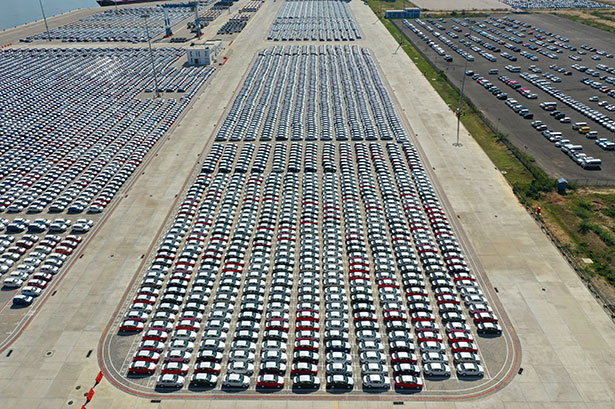
- The 20,000m² facility can accommodate up to 30,000 vehicles alongside inspection and workshop operations.
- Parts availability, technician training, and battery circulation will determine how effectively the network scales.
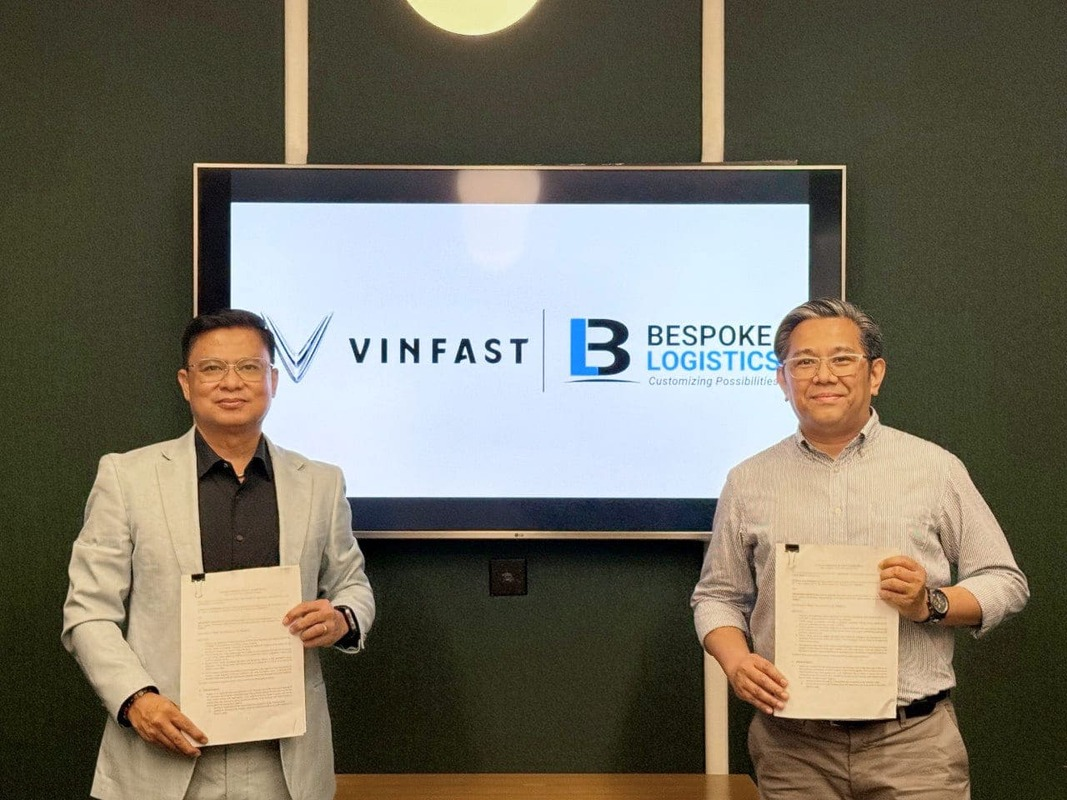
VinFast has appointed Bespoke Logistics to operate a 20,000m² distribution, inspection, and service centre in Carmona, Cavite, establishing a logistics base for the manufacturer’s expansion into the Philippine electric motorcycle market.
The facility will accommodate up to 30,000 vehicles and combine warehousing, yard management, pre-delivery inspection, technical preparation, transport coordination, and final handover. Bespoke Logistics will also operate a VinFast-authorised workshop within the development, allowing defects, software requirements, transport damage, and other preparation work to be addressed before motorcycles enter the dealer network.
Technicians employed at the centre will be trained and certified to VinFast standards, while the partners will introduce common operating procedures, quality controls, and replacement-parts processes. Bringing those activities into one location should reduce transfers between separate storage, inspection, and repair sites, where additional handling can add delay and weaken accountability for vehicle condition.
The centre will support the planned introduction of the battery-swappable Evo, Feliz II, and Viper models. VinFast is developing dealer coverage, aftersales services, and battery-exchange infrastructure alongside vehicle distribution, creating several linked flows which must mature at roughly the same rate.
Finished motorcycles represent only the most visible part of that system. Batteries, diagnostic equipment, chargers, spare components, workshop consumables, software records, and technical documentation must remain available across the network if vehicles are to move from initial delivery into dependable everyday operation.
Bespoke Logistics already manages pre-delivery inspection, storage, inventory, technical work, yards, transport, and final delivery within the Philippine automotive sector. The arrangement allows VinFast to retain control over vehicle and service standards while drawing on established local property, labour, carrier, and regulatory knowledge.
That division can shorten market-entry times, although it creates a demanding integration task between manufacturer and logistics provider. Vehicle identification, condition records, workshop activity, dealer allocation, transport bookings, parts consumption, and warranty status must remain aligned from receipt through customer handover.
A motorcycle delayed during preparation may still appear available in the commercial system unless its status is updated immediately, while a part consumed in the workshop must be removed from service inventory before another repair is booked. Such gaps become harder to manage as volumes rise and motorcycles are distributed across a growing number of islands and service locations.
Battery circulation reshapes the network
Battery swapping creates a continuous reverse flow which conventional vehicle distribution does not normally carry. Packs move between riders, exchange stations, charging facilities, workshops, and quarantine areas, with each unit requiring a traceable identity, condition history, charging record, and clear status.
Healthy batteries must remain available where demand occurs, while damaged, degraded, or suspect units need to be removed quickly without being mixed with serviceable stock. Poor balancing can leave one exchange station holding idle inventory while another turns riders away, even when the network owns enough batteries overall.
The Carmona centre can provide a central control point during the launch phase, but national growth will eventually stretch a single-hub model. Delivering motorcycles, parts, and batteries from Cavite to distant islands introduces port schedules, inter-island shipping, weather exposure, and longer recovery times when equipment fails.
Regional stockholding or cross-dock capacity may become necessary once sales extend beyond the main Luzon market. Centralisation supports consistent inspection and inventory control, whereas regionalisation reduces final-delivery distance and repair waiting times; the balance will change as the installed fleet grows.
Pre-delivery inspection will carry particular weight during that expansion because imported or long-distance vehicles may pass through several handling stages before reaching a dealer. Cosmetic damage, moisture ingress, depleted batteries, missing accessories, configuration errors, and software updates can all emerge during the final preparation process.
Parts planning presents a different challenge because actual repair patterns are difficult to forecast before a model has accumulated substantial use in local conditions. Holding too little inventory extends workshop downtime, while excessive purchasing ties up capital and exposes the network to obsolescence when components or specifications change.
Consumption data from the authorised workshop should gradually improve replenishment forecasts, provided it is connected with dealer demand and vehicle population by region. Parts records that remain isolated inside individual service centres reveal shortages only after the affected motorcycle has already been taken off the road.
Storage design must account for the scale of the planned inventory. Motorcycles occupy less space individually than passenger cars, but 30,000 units still require robust access control, location accuracy, fire segregation, inspection routes, and enough space to isolate damaged vehicles or batteries safely.
Cavite’s proximity to Metro Manila and established industrial corridors supports dealer replenishment and access to transport services, although urban congestion and port performance will influence outbound reliability. Rapid delivery promises become difficult to maintain when a vehicle or part must repeatedly cross the capital region before reaching its final market.
The same infrastructure problem appears across commercial electrification, where charging availability, payload, workshop capability, and operating data are determining the viability of electric vans. Electric mobility cannot scale through vehicle supply alone; energy, maintenance, digital records, and reverse logistics must advance with the fleet.
VinFast’s partnership gives those supporting processes a defined physical base before large volumes arrive. Whether the centre becomes a durable national hub will depend on vehicle dwell time, inspection throughput, parts fill rates, workshop capacity, battery availability, and the speed at which stock can be rebalanced across the country.
The 20,000m² development provides considerable launch capacity, but utilisation will be uneven while dealers, exchange stations, and demand patterns take shape. A disciplined opening phase should allow VinFast and Bespoke Logistics to identify where regional inventory is justified before fixed infrastructure is added elsewhere.
Vehicle sales will determine the headline growth rate, while the less visible flow of batteries, service parts, technical information, and prepared stock will decide whether that growth can be supported without deteriorating delivery times or aftersales performance.