IN Brief:
- CeMAT Australia 2026 will run from 23 to 25 June at the Melbourne Convention and Exhibition Centre.
- The event will focus on intralogistics, robotics, automation, warehousing, supply chain software, and materials handling.
- Programme themes include AI implementation, retail fulfilment, zero-emission delivery, healthcare supply chains, and warehouse resilience.
CeMAT Australia will bring automation, robotics, intralogistics, warehousing, materials handling, and supply chain software suppliers to Melbourne from 23 to 25 June.
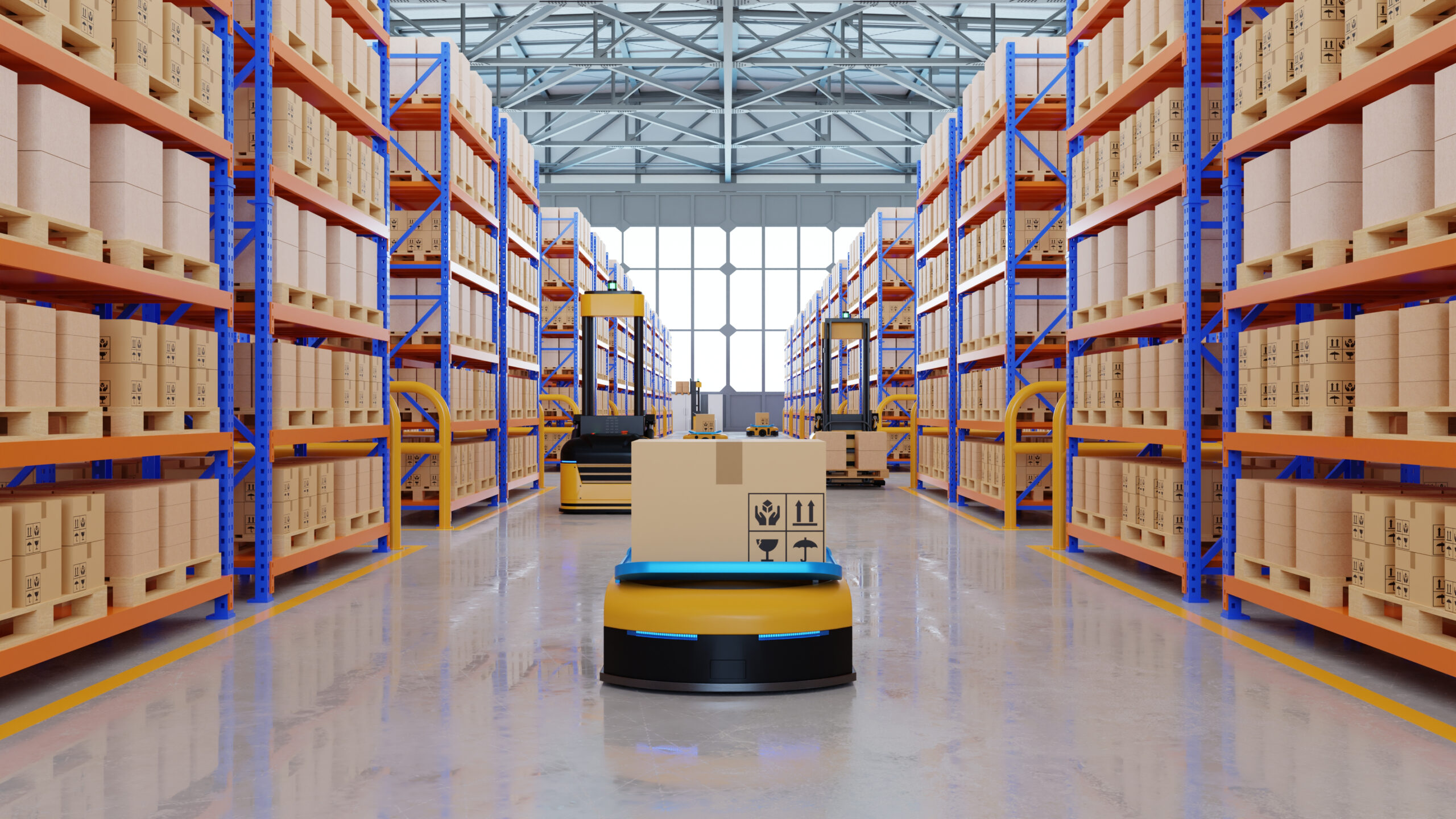
The 2026 event will take place at the Melbourne Convention and Exhibition Centre, with the programme centred on the technologies now shaping warehouse and logistics operations. Exhibitors and conference sessions will cover autonomous mobile robots, automated storage, fleet management, supply chain platforms, materials handling equipment, safety systems, and end-to-end operational software.
Co-location with Industrial Transformation Australia and a Processing & Packaging Pavilion gives the event a wider manufacturing and production context. Warehouse decisions are increasingly tied to production planning, packaging formats, labour availability, energy use, and transport constraints, making logistics technology less separable from the rest of the industrial operating model.
More than 200 suppliers are expected across the combined event. Sessions will cover AI implementation, retail fulfilment, operational resilience, zero-emission delivery, healthcare supply chains, and warehouse system design. That range reflects a market in which automation investment is moving beyond individual equipment purchases and into connected fulfilment, labour planning, fleet management, and inventory visibility.
Materials handling remains a practical centrepiece, with the Australian Forklift Championship sitting alongside broader coverage of equipment, automation, and warehouse flow. Forklifts, conveyors, pallet movement, shuttle systems, automated storage, and AMRs are now commonly assessed as part of one operating system. Throughput, safety, maintenance, labour deployment, and software integration increasingly sit inside the same investment case.
International warehouse automation spending has already shown how quickly expectations are shifting. Amazon’s €10bn European robotics programme has connected automation, workforce planning, and network design, while DSV’s Exotec deployment at Venlo shows how 3PLs are using robotics to support multi-customer fulfilment and higher-density storage.
Australian operators face the same automation equation under a distinctive set of geographic constraints. Long distances, concentrated population centres, high labour costs, and volatile import cycles make warehouse productivity a direct determinant of service and cost. Automation is therefore being judged on its ability to smooth flows across receiving, putaway, picking, replenishment, packing, dispatch, and returns.
AI is moving from boardroom aspiration into operational design. Forecasting, slotting optimisation, transport planning, robotics orchestration, labour scheduling, and exception management all depend on reliable data and clean system integration. Many warehouses, however, still operate with fragmented systems, manual workarounds, and ageing equipment that can limit the value of more advanced tools.
Industrial positioning technology is part of the same shift. New UWB receiver work for industrial positioning points to the growing importance of location intelligence across factories and warehouses. Accurate visibility of assets, equipment, pallets, and people is becoming central to safety, orchestration, and productivity in automated environments.
CeMAT Australia arrives as logistics technology budgets are being scrutinised more closely. Buyers are likely to judge systems on deployment time, integration risk, maintenance support, payback, and scalability rather than novelty. The strongest projects will be those that solve defined throughput, space, accuracy, safety, or labour problems while fitting into the operating reality of the warehouse.