IN Brief:
- KN SwiftLOG will be deployed across more than 1,000 contract-logistics operations.
- The platform uses Blue Yonder technology and includes agentic-AI capabilities.
- Common cloud architecture will support faster deployments, upgrades, and operational visibility.
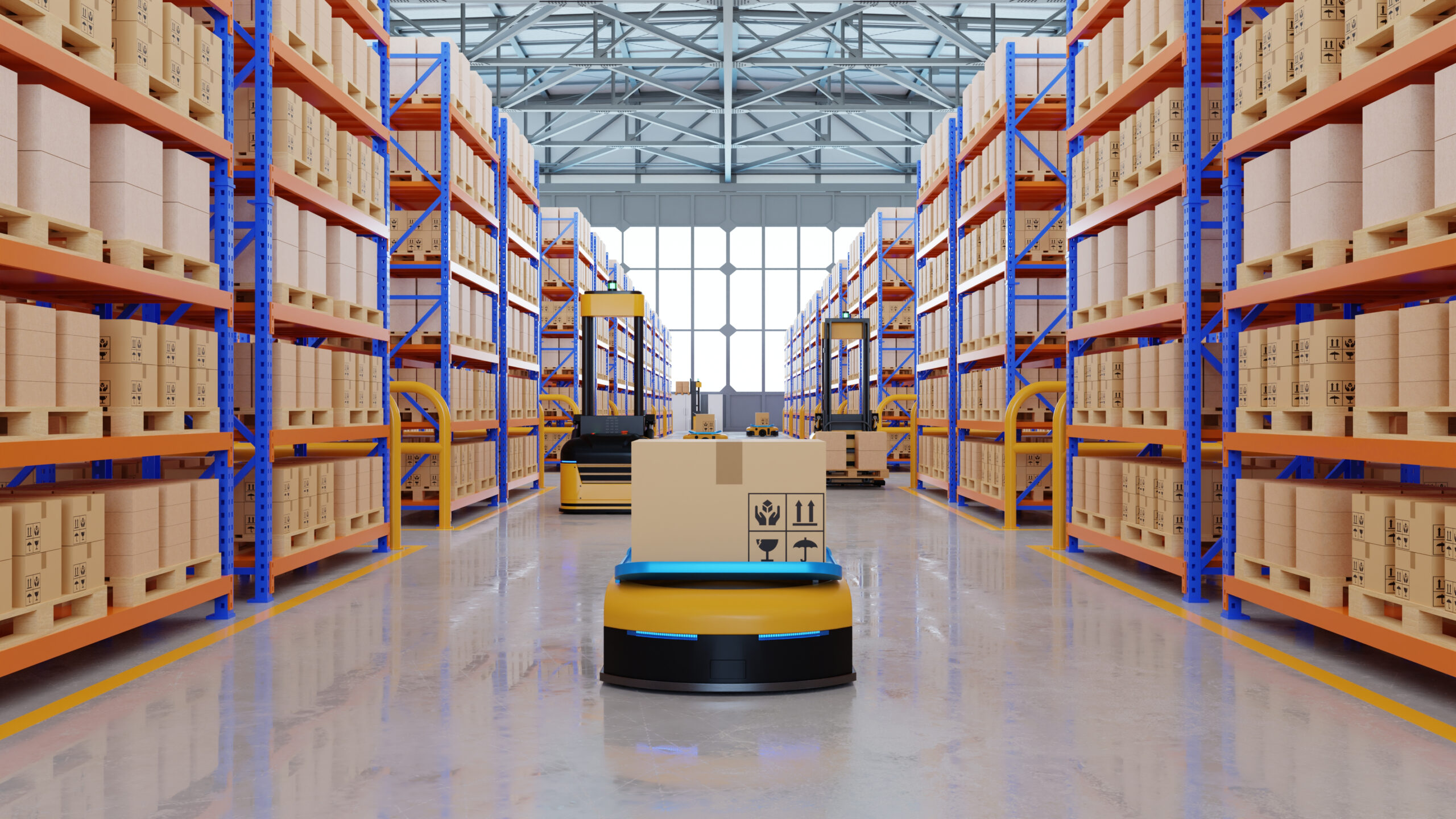
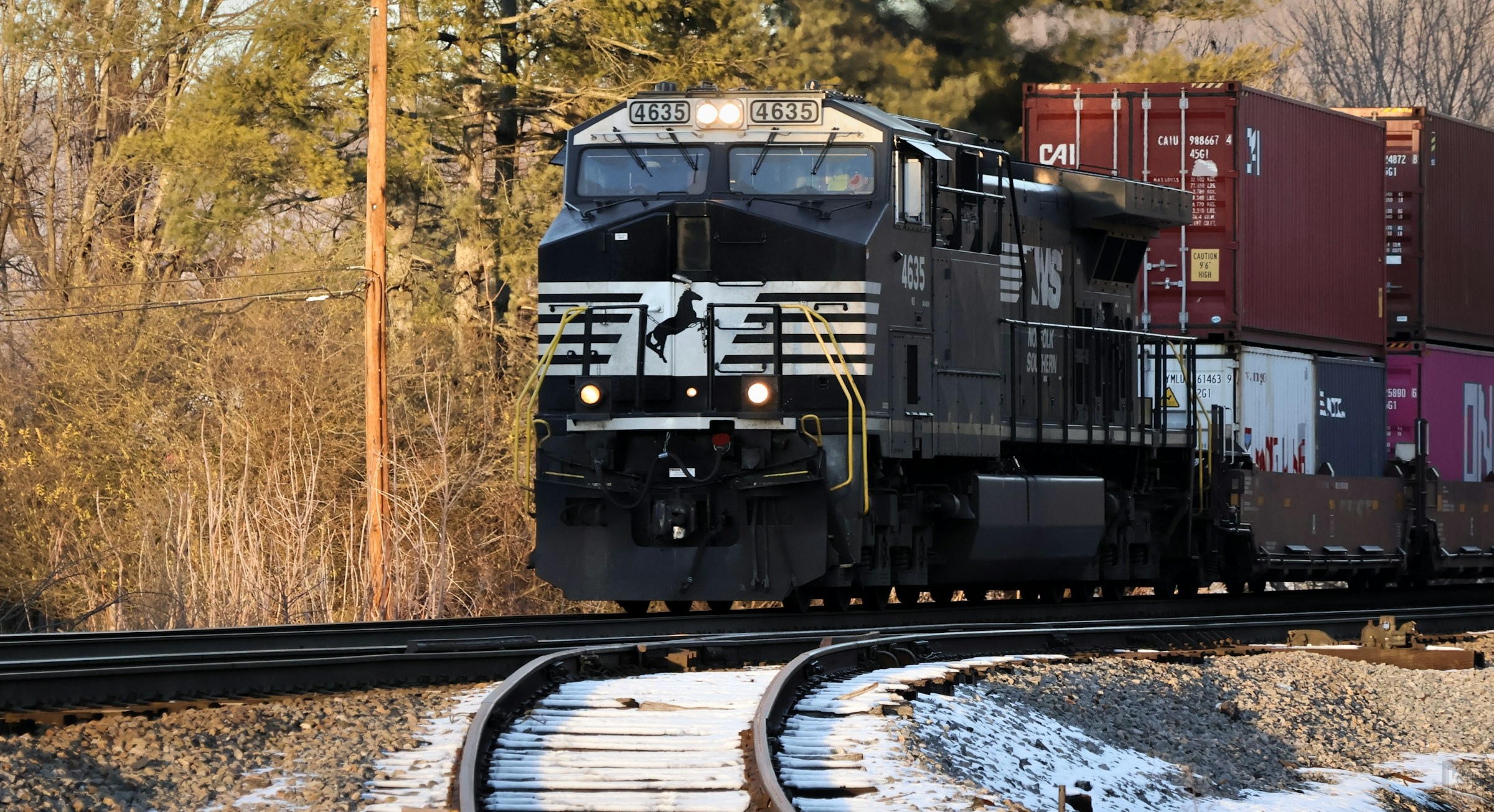
Kuehne+Nagel has begun a phased rollout of its cloud-native KN SwiftLOG warehouse-management platform across more than 1,000 contract-logistics sites in nearly 100 countries.
Deployment began in April 2026, with the first customer implementation in Asia scheduled for July. The programme is intended to create a common technology and data environment across a warehouse estate shaped by different customers, acquisitions, local systems, and operating requirements.
Based on Blue Yonder warehouse-management technology, SwiftLOG incorporates agentic-AI capabilities alongside core functions covering inbound handling, inventory, order processing, labour, outbound execution, and customer-specific workflows.
Cloud architecture will allow software functions and security updates to be introduced without rebuilding every installation independently. Integrations, operating templates, and implementation methods can also be reused as additional facilities migrate onto the platform.
Large contract-logistics networks frequently contain a mixture of legacy systems, customer-mandated applications, local software, and manually developed processes. That variation can obscure inventory, capacity, labour performance, and service data across the wider estate.
SwiftLOG is designed to reduce that fragmentation while retaining configuration for different operating models. A healthcare warehouse, automotive facility, and ecommerce fulfilment centre can share common inventory and task-management foundations without adopting identical validation, sequencing, or reporting rules.
The platform will also give Kuehne+Nagel a more consistent base for robotics, vision systems, wearable devices, automation, and analytics. Each technology becomes easier to deploy when sites use common interfaces and data structures rather than requiring a new integration project for every building.
Common systems create a harder governance task
Standardising warehouse technology offers more than a replacement for ageing software, because comparable data allows managers to benchmark facilities, redirect work, move customers, and assess capacity across regions. The same consistency also exposes weak processes that local reporting may previously have concealed.
Agentic AI adds the prospect of software completing sequences of operational tasks rather than merely displaying information. A warehouse agent could identify an inventory exception, examine recent movements, assess order priorities, propose replenishment, and route the decision to an authorised supervisor.
Bar Code India’s warehouse agent applies similar technology to inventory queries and workflows, but the usefulness of such tools depends on the quality, consistency, and timeliness of the underlying warehouse data.
Autonomous functions require carefully defined permissions because a warehouse-management system controls physical stock, labour instructions, customer commitments, and interfaces with automated equipment. Incomplete data or an incorrectly configured rule can quickly move from a software error into a missed shipment or unsafe task.
Audit records and human intervention must therefore remain central to the design. A system should show what action was proposed, which data supported it, who approved it, and how the decision affected inventory or customer service.
Cloud deployment also changes resilience planning. Centralised applications can be updated and monitored more consistently, but warehouses need workable procedures for connectivity failures, particularly when a system interruption can stop automated storage, picking, or dispatch.
Local execution, cached instructions, and recovery rules will determine whether a facility can continue operating during a network outage. Sites handling healthcare, aerospace, or production-critical inventory may require more extensive fallback arrangements than general ecommerce operations.
Cybersecurity becomes more significant as the common platform connects customers, carriers, automation equipment, and external applications. Standardisation can improve patching and access control, while simultaneously increasing the potential effect of a shared configuration weakness or compromised credential.
Operational change will be as demanding as the technical migration. Experienced teams often develop workarounds around legacy systems, some of which compensate for genuine customer or building constraints; replacing them requires understanding why they emerged rather than dismissing every local practice as inefficiency.
Customer contracts create another layer of complexity because some occupiers specify particular system functions, reporting formats, or ownership arrangements for inventory data. SwiftLOG must provide a consistent core without forcing every customer into the same operating model.
A rollout across more than 1,000 sites gives Kuehne+Nagel the scale to treat warehouse technology as a reusable global capability rather than a succession of unrelated projects. Its value will emerge through stable migrations, measurable productivity gains, and faster deployment of new functions across the network.