IN Brief:
- Fischer has invested more than €4m in a 5,000m² Catalonian logistics centre.
- Its automated zone contains 14,040 bins, ten robots, and two picking stations.
- The facility serves Spain, Portugal, Andorra, and customers across Catalonia.
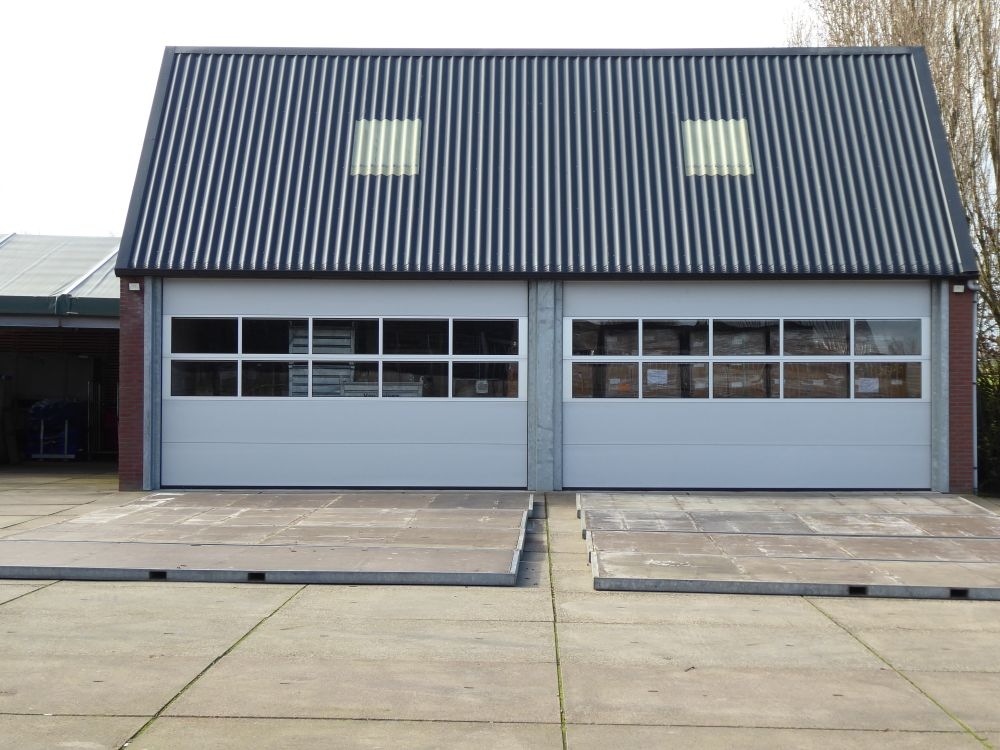
Fischer has opened its first automated warehouse outside Germany at Mont-roig del Camp in Catalonia, increasing storage capacity across its Iberian operation by approximately 50%.
The company has invested more than €4m in the 5,000m² facility, which serves customers in Spain, Portugal, Andorra, and Catalonia. Around 40 existing jobs have been secured, while three additional positions have been created as part of the expansion.
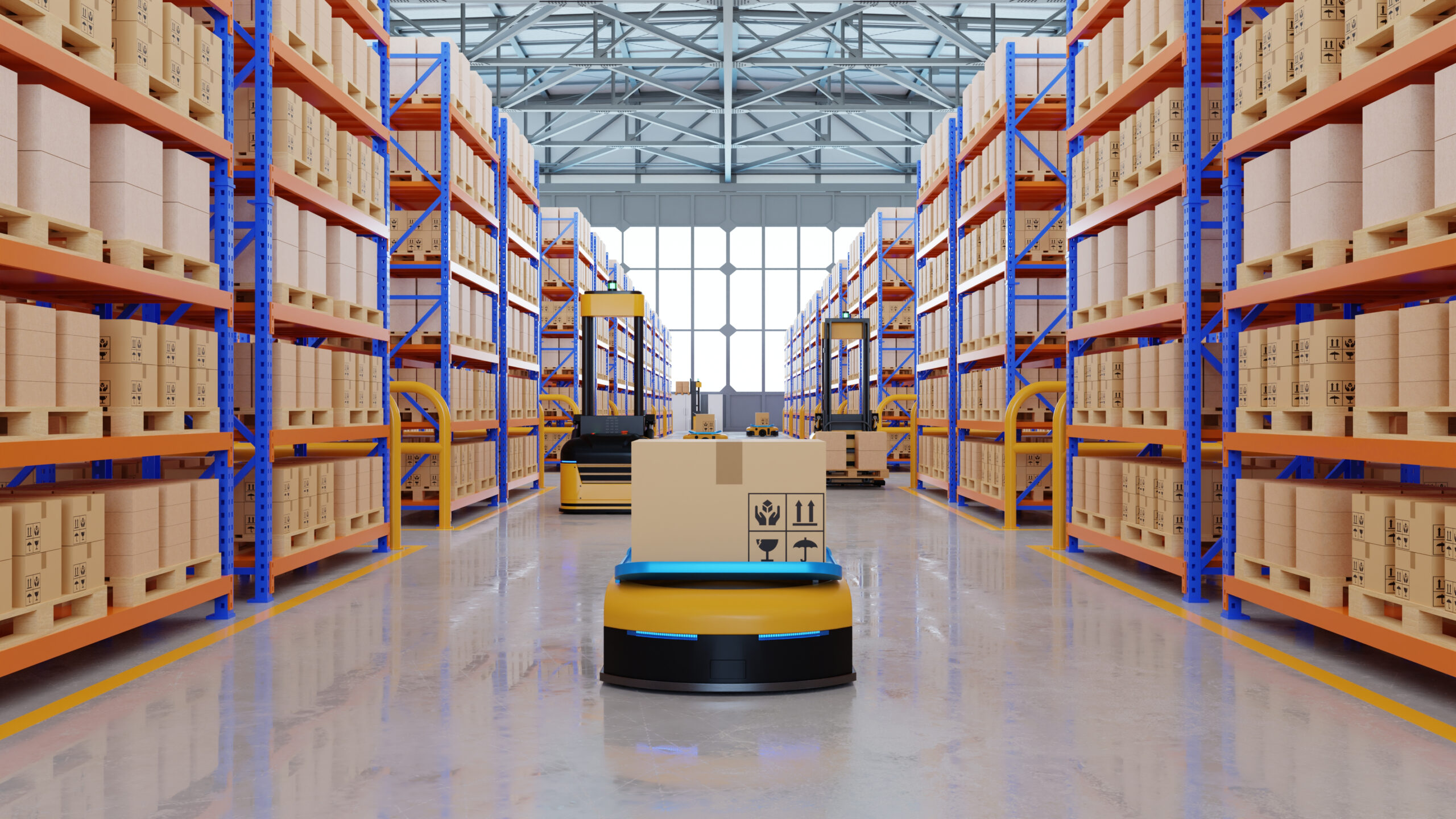
Within the building, a 500m² automated zone contains 14,040 bins, ten autonomous robots, two picking stations, and one inbound materials station. The cube-storage system retrieves bins from a high-density grid and presents them to operators for picking or replenishment.
The site also provides conventional capacity for approximately 2,500 pallets, allowing Fischer to divide the product range between automated small-parts storage and more traditional handling. Up to 4,000 product references can be managed through the combined operation.
Fischer supplies fixings, tools, and associated products across construction, industrial, energy, and infrastructure markets. Its inventory contains large numbers of small items, pack sizes, dimensions, materials, and application-specific variants, making part of the range well suited to dense automated bin storage.
Demand can be uneven because routine fixings move continuously, while specialist products are ordered around particular projects, substrates, loads, or installation conditions. A relatively inexpensive missing component can stop work involving labour, access equipment, or specialist contractors whose costs greatly exceed the value of the part itself.
Maintaining broad availability is therefore commercially important, although it can create large numbers of slow-moving stock lines. Conventional shelving gives those items permanent accessible locations and consumes aisle space, whereas cube storage can retain them at higher density until a robot retrieves the relevant bin.
Frequently requested bins tend to move towards the upper levels as they are handled more often, while slower inventory remains deeper within the grid. The design reduces walking and storage footprint without requiring every product to be assigned a fixed manual pick face.
Dense storage transfers more responsibility to inventory accuracy. A robot can retrieve the correct bin quickly only when receipt, quantity, location, and replenishment records remain reliable, and an error introduced during inbound processing can move rapidly into picking and despatch.
Fischer’s operation combines automated and conventional handling rather than forcing every product through one process. Oversized, irregular, palletised, hazardous, or very fast-moving lines may remain outside the grid, while small and medium-sized items use goods-to-person picking.
Hybrid layouts are becoming more common as warehouse operators move away from treating automation as a single monolithic system. An international study of warehouse investment found growing emphasis on orchestration, resilience, and the connection between robotics, labour, inventory, and fulfilment commitments.
The Mont-roig installation is smaller than the largest automated fulfilment centres, but that scale may suit industrial distribution more closely. Mid-sized operations need systems that can add density and productivity without requiring the volumes, building redesign, and capital commitment associated with a heavily bespoke installation.
Regional positioning also strengthens the investment case. Stock held in Catalonia can reach Iberian customers without relying entirely on longer inbound movements from central European inventory, reducing lead times and giving the local business greater control over product availability.
Additional capacity can still create excess stock when purchasing and demand planning are weak. Automated density improves use of the building, but it does not remove the working-capital cost of holding slow-moving products or the risk that older variants remain concealed within a larger range.
Fischer received €2.25m through Catalonia’s Nuclear Transition Fund, which supports business investment in regions affected by the planned closure of nuclear-generating capacity. The grant connects warehouse development with regional employment and economic policy, although the operation’s long-term contribution will depend on the commercial volumes it handles after construction.
The Iberian business has expanded from approximately €25m of revenue in 2016 to €52m in 2025, giving the facility an established customer base and a growing flow of orders. Order accuracy, replenishment discipline, stock availability, and cut-off performance will decide whether the additional 50% capacity supports that growth without recreating manual congestion around the automated core.