IN Brief:
- DHL Supply Chain has expanded its Philippine healthcare operation through a new arrangement with medical-device manufacturer Terumo.
- The Parañaque facility combines dedicated ambient storage with a controlled-temperature area for sensitive products.
- Systems integration is being developed to improve inventory visibility, data accuracy, and regional distribution control.
DHL Supply Chain has expanded its healthcare logistics operation in the Philippines through a new warehousing and distribution arrangement with medical-device manufacturer Terumo.
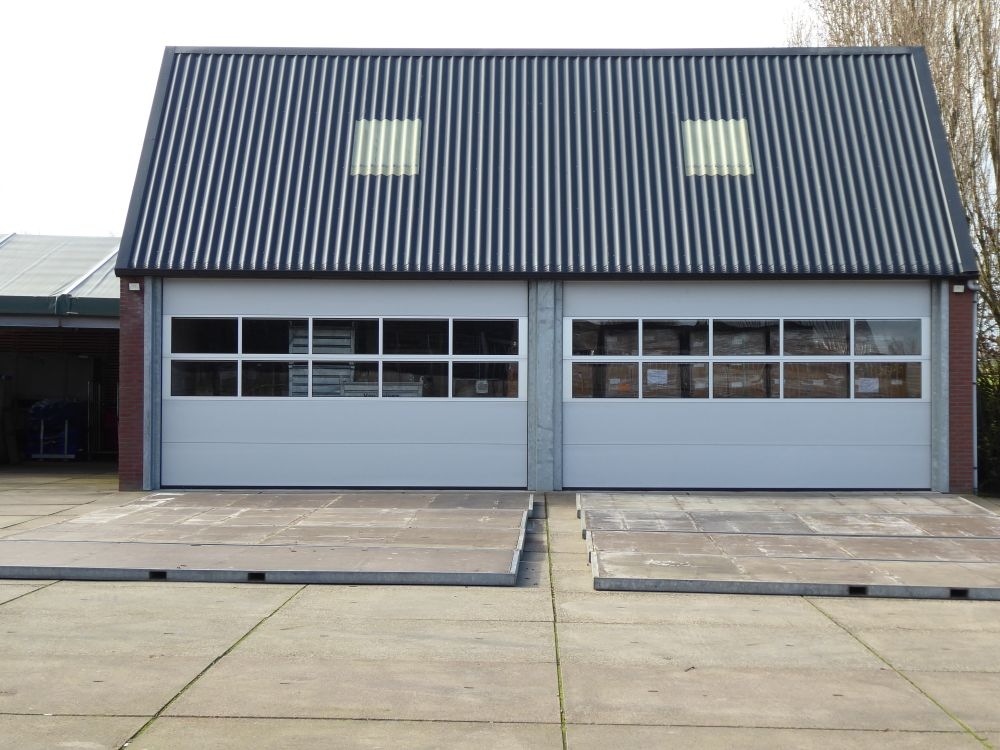
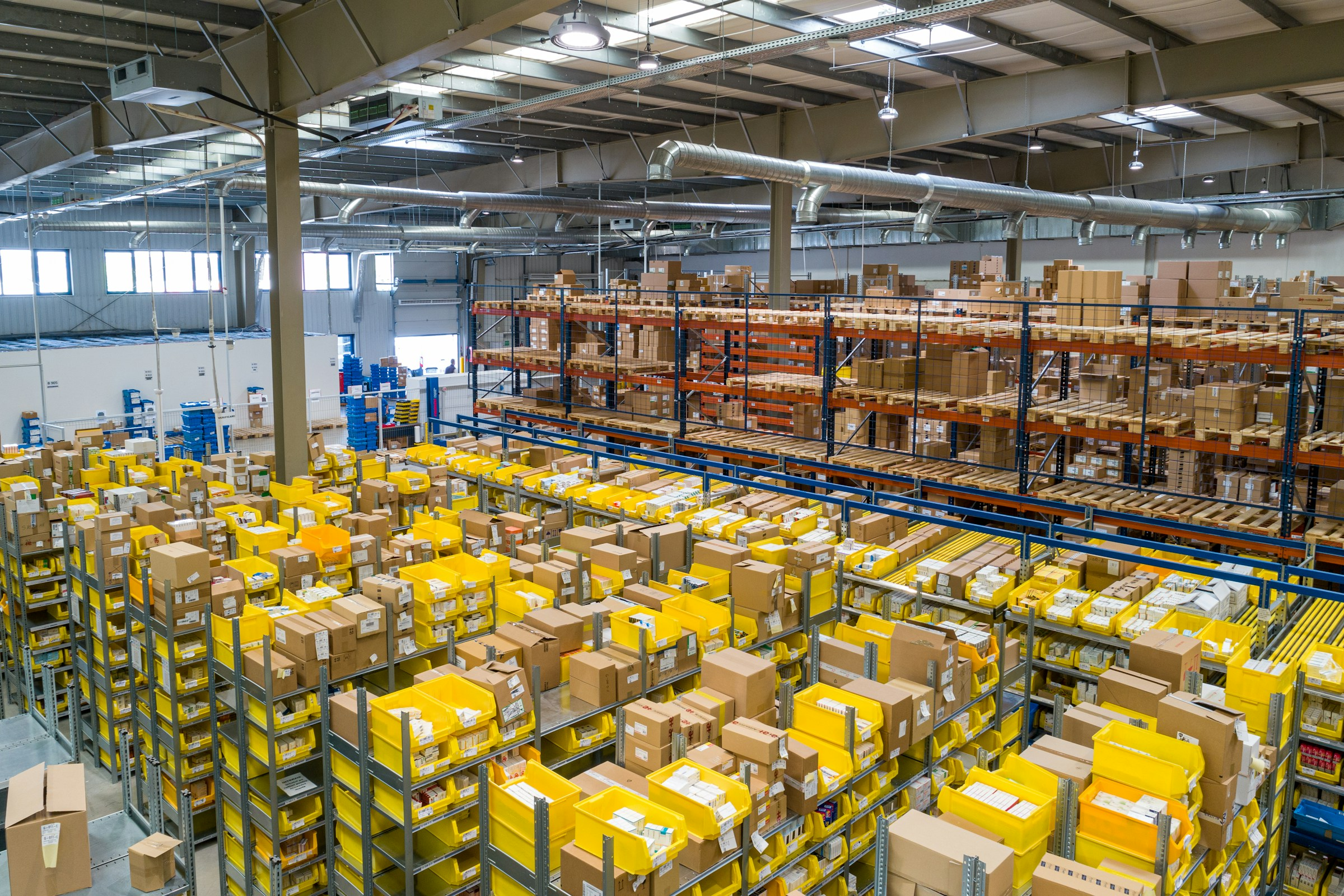
Operations began in March 2026 at DHL’s facility in Parañaque, Metro Manila, where dedicated ambient storage is supported by a controlled-temperature area for sensitive product classes. The companies are also integrating their systems to provide real-time inventory visibility, stronger data accuracy, and closer coordination between storage and distribution.
Terumo supplies cardiovascular, blood-management, and other medical technologies to hospitals and healthcare providers across the Philippines. Its inventory can include sterile products, high-value devices, diagnostic materials, and items carrying batch, serial-number, expiry, or temperature-control requirements.
The Philippine operation forms part of a broader relationship between DHL and Terumo across Asia-Pacific markets. It also sits within DHL Health Logistics, the group’s life-sciences and healthcare business, which is being supported by a €2 billion investment in compliant facilities, technology, and specialist capabilities.
Locating ambient and controlled-temperature capacity within one managed operation can reduce unnecessary transfers between buildings or providers. Products with different storage profiles can move through a common receiving, inventory, order-management, and dispatch framework while remaining physically segregated according to their handling requirements.
That arrangement depends on precise warehouse controls. Storage conditions, quality status, batch information, ownership, destination, and release instructions must remain visible throughout receiving, put-away, replenishment, picking, quality holds, and dispatch.
Medical-device logistics differs from conventional pharmaceutical distribution in several respects, although the sectors share demanding quality requirements. Many devices are not temperature-sensitive, but they may require protection from humidity, impact, contamination, electrostatic discharge, or unauthorised access, while implantable and sterile products can carry particularly strict traceability controls.
Some product categories must also remain available at short notice because hospitals cannot always forecast clinical demand with the same regularity as retail or industrial customers. Emergency procedures, changes to surgical schedules, and unexpected consumption can create urgent orders that must be processed without weakening quality checks.
Integrated systems provide the foundation for managing those variations. Real-time stock information can improve allocation between customers, identify constrained or ageing inventory, support expiry management, and reduce the manual reconciliation required when a manufacturer and logistics provider maintain separate records.
The value of that visibility extends beyond the warehouse. Transport planning becomes more reliable when confirmed inventory, release status, order priority, and delivery location are available in a consistent data set, while exception alerts can identify shortages or blocked stock before a vehicle is dispatched.
Healthcare operations also generate extensive audit and documentation requirements. Temperature records, maintenance schedules, calibration certificates, training records, access logs, deviation investigations, and corrective actions must be retained alongside the ordinary commercial records associated with inventory and transport.
The same move towards purpose-designed healthcare logistics is visible in DHL’s planned automated healthcare hub in Derby, where multi-temperature storage, pallet-shuttle technology, and future autonomous-mobile-robot capability are incorporated into the facility design.
Although the Derby and Parañaque operations differ substantially in scale, both place healthcare controls at the centre of the building and systems architecture. Adapting a general-purpose warehouse after a contract has begun can leave compromises around temperature zoning, product segregation, monitoring, and material flow.
Multi-user healthcare facilities can create economies of scale in quality management, systems, training, security, and transport. They also demand disciplined separation between customers, because shared infrastructure must not lead to mixed inventory, unauthorised data access, or ambiguity over release responsibility.
Distribution across the Philippines adds a geographic layer to the operation. The archipelago’s hospitals and medical facilities depend on combinations of road, air, and sea transport, while weather, port schedules, airport capacity, and local infrastructure can alter lead times between Metro Manila and regional destinations.
Centralised visibility gives planners more time to allocate stock against those constraints. It cannot remove weather disruption or a missed sailing, but it allows urgent orders to be identified earlier, alternative routes to be assessed, and inventory to be positioned before local availability becomes critical.
Demand for specialised healthcare logistics is also increasing as product portfolios become more diverse. Biologics, diagnostics, advanced devices, clinical materials, and personalised treatments create narrower and less uniform handling requirements than large-volume ambient products.
DHL’s investment programme gives it scope to standardise systems, quality procedures, and facility specifications across markets while retaining country-level operating controls. Terumo’s Philippine operation will ultimately be measured through stock accuracy, order performance, product condition, audit readiness, and consistent delivery to hospitals.
By placing warehousing, temperature control, systems integration, and distribution within one operating relationship, the Parañaque facility reduces the number of organisational handovers surrounding Terumo’s inventory. Medical products still have to move quickly, but each movement must preserve their identity, status, and fitness for clinical use.