IN Brief:
- Sagard paid US$91 million for the 621,144ft² distribution centre.
- The cross-dock facility is fully leased to food, beverage, and 3PL users.
- The property sits five miles from Baltimore’s principal marine terminals.
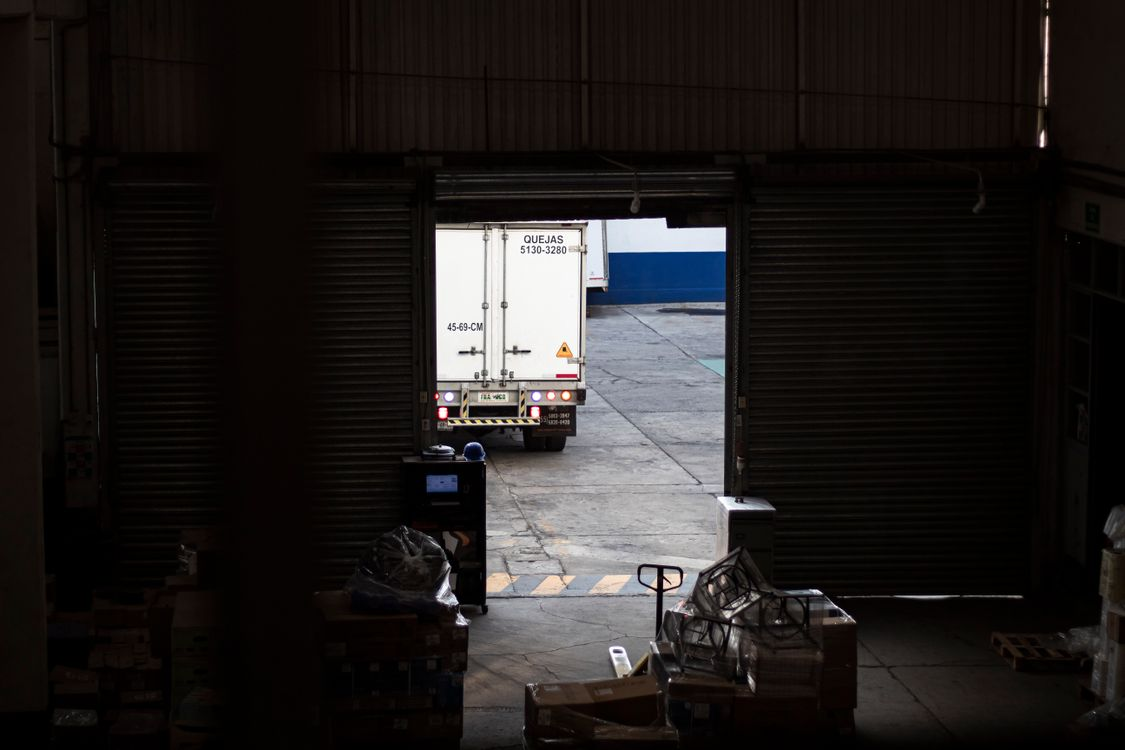
Sagard Real Estate has acquired a 621,144-square-foot distribution centre near the Port of Baltimore for US$91 million. The fully leased cross-dock building at 7001 Quad Avenue in Rosedale, Maryland, serves occupiers in food and beverage distribution and third-party logistics.
The facility was built in 2004 on a 32-acre site and provides a clear height of 34 feet, extensive loading capacity, truck circulation space, and trailer parking. It sits approximately five miles from the port’s Seagirt and Dundalk marine terminals, close to Interstates 95, 695, and 895 and within reach of Baltimore/Washington International Airport.
Those features give the property a direct operating role within the Baltimore distribution market. Cross-dock buildings are designed to move goods quickly between inbound and outbound vehicles, with less emphasis on storage than a conventional warehouse. Their value depends on dock configuration, yard depth, trailer management, labour availability, and reliable access to the roads connecting the building with ports, customers, and regional distribution networks.
The occupier mix adds another supply-chain dimension. Food and beverage distributors require accurate stock rotation, dependable delivery windows, and facilities capable of supporting frequent vehicle movements. Third-party logistics operators need similar flexibility across multiple customers, often with different inventory, service, and reporting requirements inside the same building.
Full occupancy gives Sagard immediate income and confirms current operational demand. It does not remove concentration or lease-expiry risk, and the announcement does not disclose tenant names, lease lengths, rents, or the division of space between occupiers. Those details will influence the property’s financial performance and the owner’s ability to carry out future upgrades.
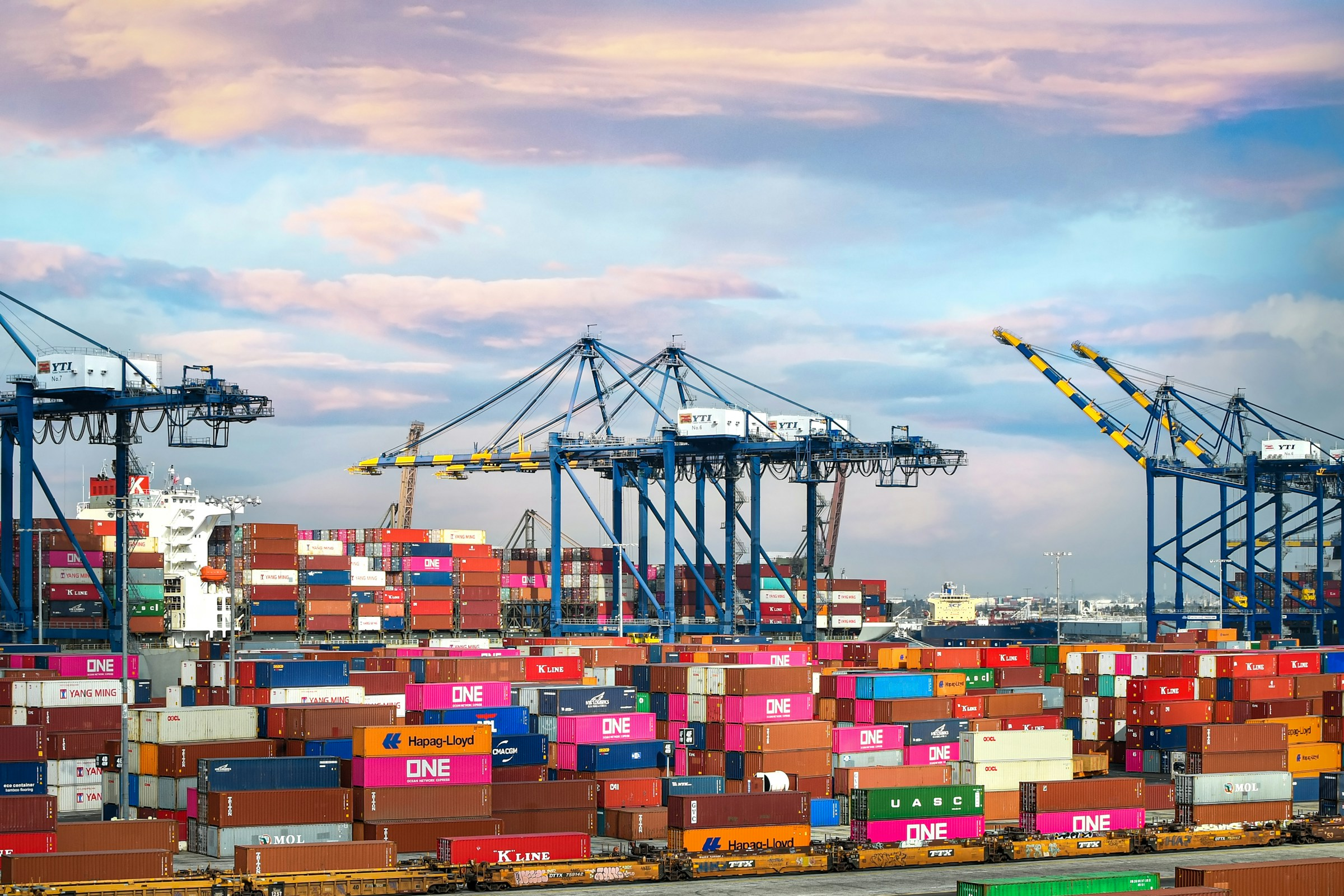
Proximity to the Port of Baltimore is central to the acquisition case. Seagirt handles container traffic, while Dundalk supports vehicles, breakbulk, containers, and other cargo. A distribution centre positioned between marine terminals and the interstate network can support import flows, export consolidation, regional replenishment, and freight moving between the port and inland customers.
Port proximity can reduce drayage distance, but distance alone does not guarantee efficient movement. Terminal appointments, chassis supply, customs clearance, congestion, driver capacity, and warehouse receiving schedules all affect the time and cost of moving a container from the quay to the building. A well-positioned property creates options; the operating chain still has to be coordinated.
Trailer parking and truck circulation are particularly relevant at an infill location. Large distribution buildings can lose productivity when yards are too shallow, parked equipment obstructs movements, or drivers queue for doors. Sufficient external space allows operators to stage trailers and separate inbound, outbound, and waiting traffic, although actual capacity depends on how the 32-acre site is configured and shared.
A 34-foot clear height is consistent with modern high-volume distribution use, providing room for racking and storage density where required. The building’s cross-dock form can also shorten internal travel by placing loading doors on opposing sides. That advantage is strongest when product flows, dock assignments, and transport schedules are designed around rapid transfer rather than allowing freight to accumulate inside.
The asset was completed more than two decades ago, so Sagard will need to manage the gap between a serviceable industrial specification and evolving occupier expectations. Warehouse users increasingly assess power availability, automation compatibility, lighting, roof condition, fire protection, security, data connectivity, charging provision, and energy performance alongside size and location. The acquisition announcement does not identify major refurbishment or sustainability projects.
Sagard describes Baltimore County East as the region’s largest industrial submarket, comprising about 44 million square feet of space. The firm argues that transport connectivity and supply constraints support long-term demand. Those conditions can protect rents and occupancy, but constrained supply can also make expansion difficult for tenants and raise the cost of acquiring or improving neighbouring land.
The US$91 million purchase price equates to roughly US$146 per square foot before transaction costs, based on the stated building area. That simple calculation is not a yield or independent valuation, and it does not account for lease income, tenant improvements, land value, financing, or future capital expenditure. It provides a scale reference rather than evidence that the purchase is cheap or expensive.
Sagard Real Estate manages US$6.1 billion of assets and has continued to target industrial property in transport-connected, supply-constrained markets. The Baltimore purchase fits that pattern by combining port access, interstate links, established occupiers, and a building designed for throughput. Its performance will depend on tenant retention and the facility’s ability to remain operationally relevant as distribution systems change.
The transaction adds a large, occupied asset to Sagard’s portfolio, but the investment case will be tested in routine operations rather than the acquisition announcement. Dock use, yard flow, maintenance, energy capacity, lease management, and port-linked demand will decide whether the building continues to justify its place in one of Baltimore’s most constrained logistics submarkets.