IN Brief:
- Clarion has acquired two North Brabant warehouses for €50 million.
- The Eindhoven and Tilburg properties provide a combined 33,226m².
- Both buildings are fully leased and carry BREEAM environmental ratings.
Clarion Partners Europe has acquired two fully leased logistics warehouses in Eindhoven and Tilburg for a combined €50 million, adding 33,226m² of distribution and office accommodation to one of its funds. Both properties are in North Brabant, a major Dutch industrial region with established road links to domestic and cross-border markets.
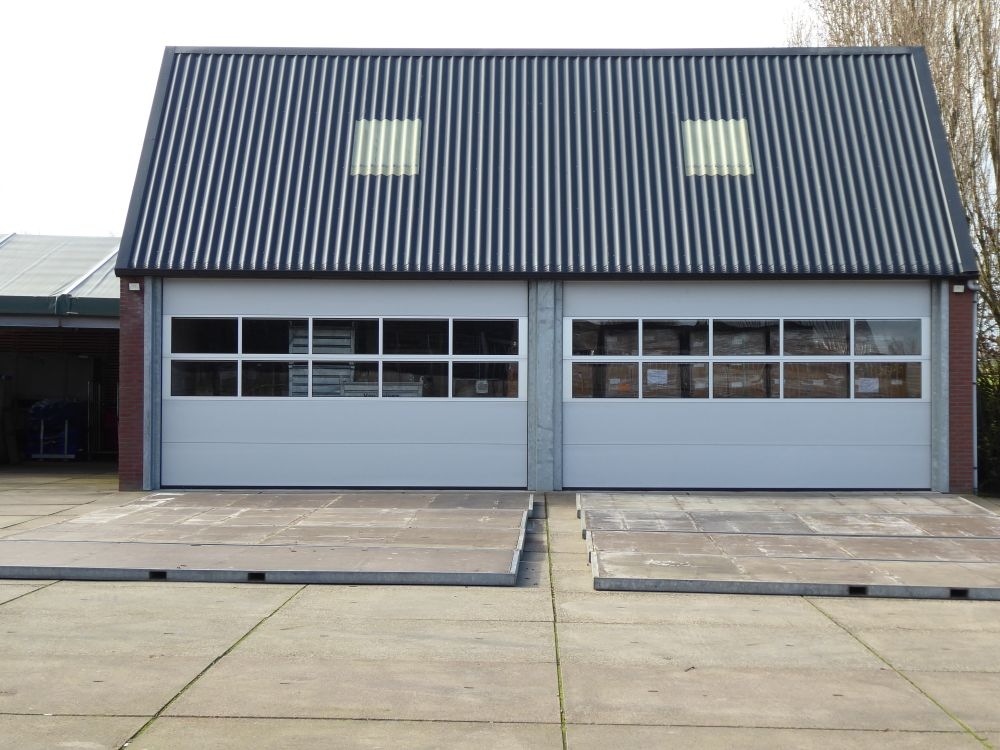
The Eindhoven asset is located at Business Park Nieuw Acht, also known as GDC Eindhoven Acht, and was completed in 2020. It provides approximately 17,000m² of warehouse and office space, carries a BREEAM In-Use ‘Very Good’ rating, and is occupied by a leading Dutch fresh-produce wholesaler.
In Tilburg, Clarion has acquired a 16,226m² Grade A warehouse built in 2019. The fully leased building is also rated BREEAM ‘Very Good’ and includes LED lighting and rooftop photovoltaic panels, giving it a more recent specification than much of Europe’s older logistics stock.
The purchase adds two occupied buildings rather than development land or vacant speculative space. That distinction matters while construction costs and financing conditions continue to limit the number of new schemes reaching the market. A completed warehouse can provide immediate rental income, although its long-term performance still depends on tenant strength, lease terms, maintenance obligations, and the cost of keeping the building aligned with changing operational requirements.
North Brabant is an established logistics location because it sits between the ports and consumption centres of the western Netherlands and the industrial markets of Belgium and Germany. Eindhoven is closely associated with advanced manufacturing and technology supply chains, while Tilburg has developed into a sizeable distribution cluster. The two acquisitions therefore provide exposure to different occupier groups within the same regional network.
The Eindhoven tenant introduces a food-logistics dimension. Fresh-produce distribution depends on reliable inbound scheduling, rapid stock rotation, temperature control where required, and disciplined outbound transport. Floor area alone does not determine whether such an operation works efficiently: yard capacity, dock availability, vehicle access, power supply, and the relationship between storage and office functions all influence throughput.
Tilburg’s rooftop solar array and LED lighting reduce part of the building’s operational electricity demand, but they do not remove the wider energy questions facing modern warehouses. Automation, refrigeration, charging infrastructure, and data systems can increase power requirements, while landlords and occupiers must decide how investment costs and energy benefits are shared. The existing environmental certification provides a baseline rather than a guarantee that the property will remain competitive without further capital expenditure.
Full occupancy limits immediate vacancy risk but also restricts the buyer’s ability to reposition either building without agreement from the occupiers. A long lease can protect income, yet it can postpone upgrades where responsibilities are unclear or the tenant’s operation is difficult to interrupt. Effective asset management increasingly requires coordination around energy, insurance, maintenance, automation, charging, and building data rather than periodic rent collection alone.
Buying two assets in the same region can improve operating density. Local market information, contractors, leasing agents, and prospective occupiers become easier to access when a portfolio has more than one foothold in the area. That does not make the buildings interchangeable: the Eindhoven property serves a food-related occupier, while Tilburg’s specification and location may appeal to a different mix of distribution users.
The €50 million combined consideration does not reveal how the price was divided between the two warehouses, nor do the available transaction details disclose rents, lease expiries, or acquisition yields. Those omissions prevent a detailed assessment of financial value. The evidence supports the operational case — modern, occupied warehouses in recognised distribution locations — more clearly than any conclusion about whether the fund bought cheaply.
Logistics property remains exposed to economic cycles despite structural demand from retail, manufacturing, food distribution, and third-party logistics. Take-up can weaken, financing costs can compress returns, and a building that appears modern at purchase can lose relevance if it lacks sufficient power, yard space, clear height, or automation compatibility.
Clarion has reduced some of that obsolescence risk by selecting buildings completed within the past seven years. Eindhoven’s certification, Tilburg’s Grade A specification, and the latter’s energy features provide a stronger starting point than older stock requiring immediate refurbishment. The occupiers also give the assets an established operating purpose rather than leaving future demand to be proved after acquisition.
The transaction expands Clarion’s Dutch footprint at a time when limited new construction is increasing the importance of existing prime warehouses. Its success will depend on more than North Brabant’s reputation as a logistics market. Tenant retention, maintenance, energy planning, and timely capital investment will decide whether the buildings continue to support the distribution operations they were bought to serve.