IN Brief:
- Jingxing has secured preferential collaboration rights for selected Cainiao warehouse projects in Europe.
- Joint teams will cover AS/RS design, robotics integration, installation, delivery, and standards work.
- No customers, project values, or unconditional procurement volumes have been disclosed.
Jingxing Storage Equipment Engineering (H.K.) has agreed a global warehouse-technology partnership with Cainiao Group, combining automated storage infrastructure with logistics robotics for proposed projects in Europe and other international markets.
The agreement gives Jingxing preferential collaboration rights on selected Cainiao projects in Europe, with Spain and the Netherlands identified as the first markets. The companies also expect to cooperate as Cainiao expands automation activity in Germany and elsewhere.
No customer names, contract values, installation sizes, or unconditional procurement volumes have been disclosed. Individual projects will remain subject to later commercial agreements.
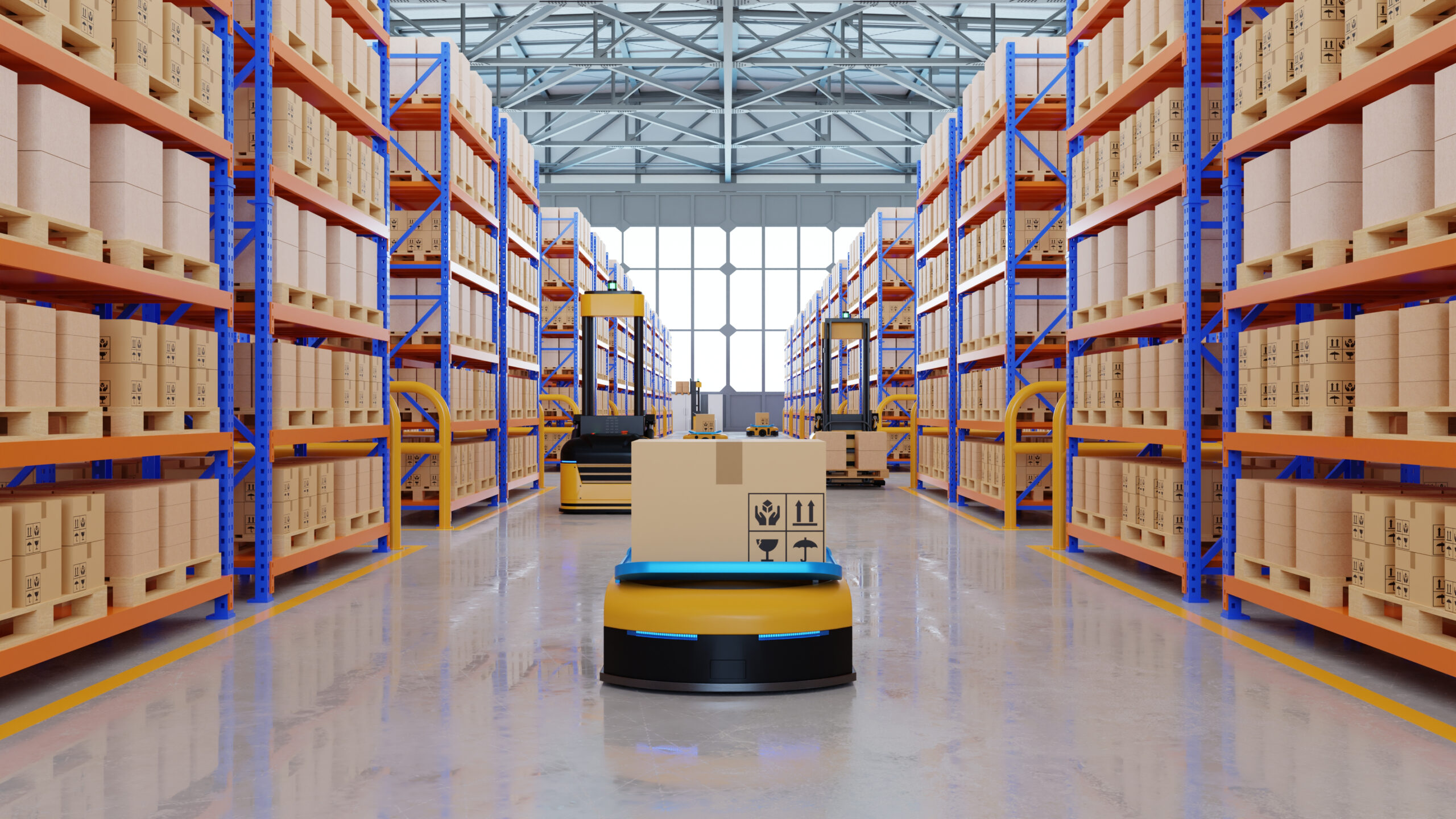
Jingxing will contribute racking design, manufacturing, automated storage and retrieval system engineering, and overseas project delivery. Cainiao will provide warehouse automation technology, climbing robots, software, and project experience.
Joint teams are expected to cover planning, system design, integration, installation, and delivery rather than treating racking and automation as unrelated purchases. The approach addresses a persistent engineering problem in automated warehousing: robots, shuttles, cranes, structures, controls, and software must function as one system, yet they are often procured through separate technical and commercial packages.
Tolerances that appear modest in conventional storage become more important when automated equipment travels repeatedly through high-bay structures and transfers loads across thousands of operating cycles. Floor conditions, rack alignment, structural deflection, guide rails, pallet quality, and control accuracy can all affect availability.
Bi Jianghua, vice-president and general manager of Cainiao’s logistics robotics division, summarised the dependency directly: “Superior robots demand superior racking.”
The partners plan joint research into European racking standards, materials, structural precision, and compatibility between storage structures and automated equipment. They also intend to undertake proof-of-concept work and develop combined systems for cross-border ecommerce, retail, fast-moving consumer goods, and third-party logistics customers.
The Spain and Netherlands projects are described as the partnership’s initial European footprint, but they have not yet been identified as unconditional orders. The agreement establishes a preferred framework and anticipated deployments rather than a committed programme with published delivery dates.
Cainiao already has an extensive warehouse-technology base. The group says it has implemented more than 1,100 logistics technology projects in 29 countries, serves more than 400 customers, and operates a smart warehousing and distribution network exceeding 10 million square metres.
Its European activity includes a Dutch fulfilment operation using rack-climbing robots. The Jingxing agreement covers a separate layer of the warehouse system, linking robotics more closely with the structures through which those machines operate.
Jingxing’s contribution is physically substantial. Automated racking is not simply a denser version of conventional storage. Loads, clearances, fire protection, access, seismic requirements, maintenance zones, and floor tolerances all influence the final design.
A system that performs reliably in one building may need considerable adaptation elsewhere because clear height, slab quality, pallet type, temperature, throughput, and statutory requirements vary between sites. European deployments will test whether the partners can localise their systems without assuming that Chinese specifications and installation practices transfer unchanged.
The planned work on standards could shorten later design cycles if it produces repeatable engineering rules, although project-specific validation will still be necessary. Storage structures, automated equipment, controls, and safety systems must be assessed as one installation rather than approved independently and expected to operate together.
A combined commercial package may also reduce interface risk for warehouse operators seeking one accountable system architecture. Problems can become difficult to resolve when a robotics supplier blames structural tolerances and a racking company blames vehicle calibration.
Tighter integration brings a different consideration: customers may become more dependent on a coupled hardware and software stack. Contract terms, data access, spare parts, upgrade rights, and the ability to introduce equipment from other suppliers will influence the system’s long-term flexibility.
Lifecycle support will be as important as installation. Automated warehouses need replacement parts, diagnostics, software updates, preventive maintenance, and technicians able to work across mechanical, electrical, and control systems.
The partnership announcement provides little detail on European service coverage, response times, spare-parts holdings, or long-term support. Those elements will become more important once a facility depends on the combined system for daily throughput.
Jingxing gains access to Cainiao’s international project pipeline, while Cainiao gains a route to integrate structural design more closely with its robotics. The first named customer and completed installation will show whether the arrangement becomes a repeatable European warehouse platform or remains a framework awaiting firm purchase orders.