IN Brief:
- A fast-track expert panel has issued a draft decision proposing conditional approval for the Stella Passage development.
- The scheme includes berth extensions, reclamation, dredging, and four additional cranes at Tauranga.
- Initial Sulphur Point works are intended to raise annual container capacity from around 1.2 million to two million TEU.
Port of Tauranga has received a draft decision proposing conditional approval for its Stella Passage development, moving the capacity project closer to construction while leaving the final fast-track determination outstanding.
The expert panel has proposed granting the approvals sought by the port subject to conditions. Port of Tauranga has an opportunity to respond to those conditions before other parties provide their comments, with a final decision expected in early September.
The distinction between draft and final approval is important because the project has already travelled through a complicated consenting process. The current decision is a substantive regulatory step, but it does not yet give the port an unconditional green light to proceed on every element of the scheme.
Stella Passage would extend the Sulphur Point container wharves by 385 metres in two stages and the Mount Maunganui wharves by about 315 metres. The programme also includes four additional cranes, reclamation, and dredging to allow vessels to use the extended berth line.
Approximately 10.55 hectares would be dredged, with around 1.5 million cubic metres of material removed to produce an operational depth of roughly 16 metres below Chart Datum. The physical scale reflects a capacity problem that has gradually become harder to solve through operating changes alone.
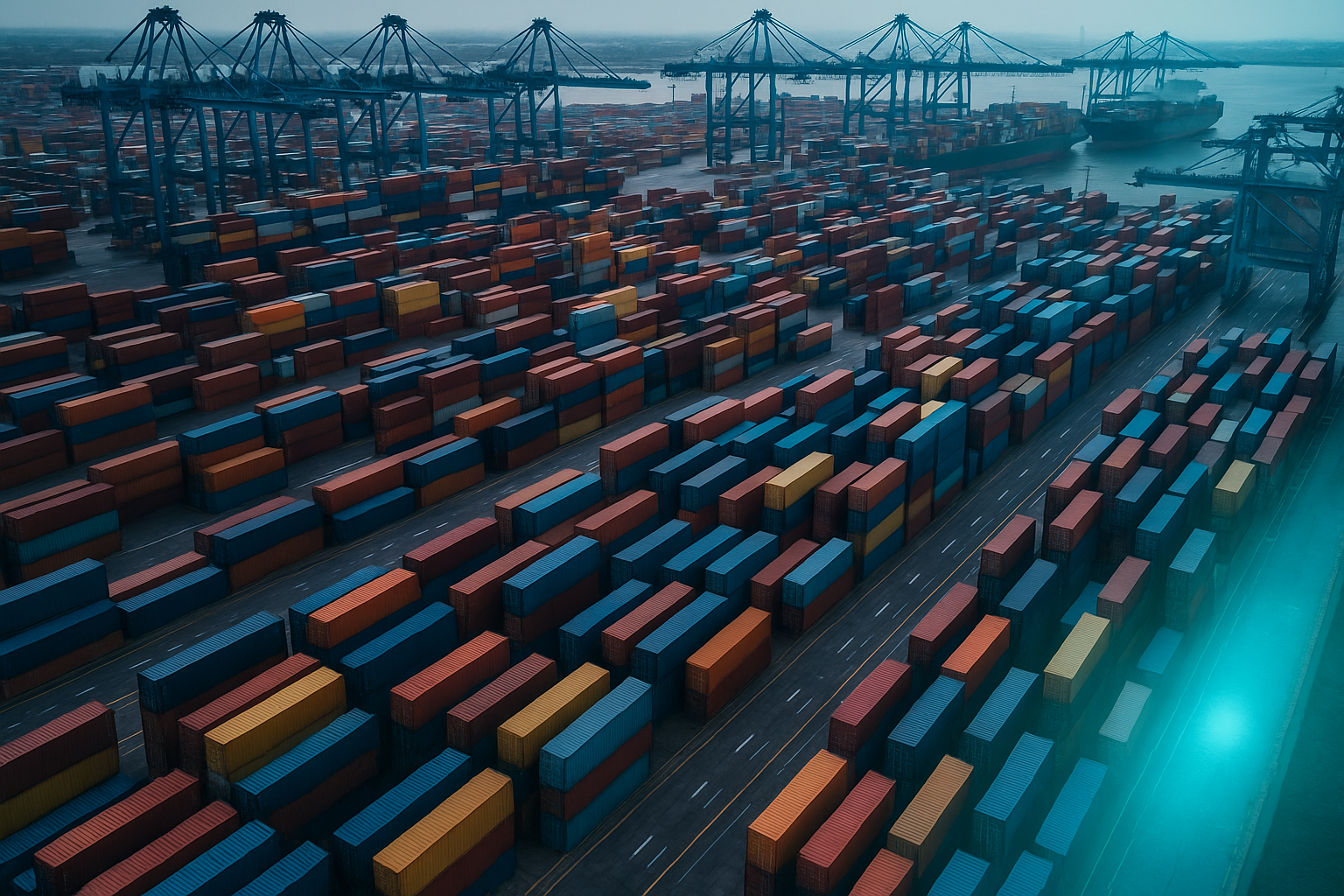
Sulphur Point currently has about 770 metres of container berth and is approaching its practical limit as ship sizes and cargo volumes increase. The first 285-metre extension is intended to raise annual container capacity from around 1.2 million TEU to approximately two million TEU, while the completed development would allow three or four vessels to berth simultaneously rather than two.
Leonard Sampson, chief executive of Port of Tauranga, said: “This development is vital for the regional and national economy and is urgently needed as we are currently at capacity.” The additional quay length is intended to give shipping lines more flexibility while reducing the risk that vessels have to wait for an available berth.
Berth capacity, however, is only one component of port performance. Higher quayside throughput pushes additional containers into yards, rail services, road gates, depots, and customer warehouses, so cranes and berth metres have to be matched by the inland operation if theoretical terminal capacity is to become usable supply chain capacity.
The staged design reflects that problem. Sulphur Point’s extension can be built as demand requires, allowing the port to add infrastructure progressively rather than completing the maximum scheme before volumes justify it. Staging also gives rail, road, yard, and equipment capacity more time to develop around the waterfront works.
Stella Passage has previously been delayed by its consenting route. An earlier fast-track process was halted after a judicial review found that the project accepted for assessment did not correspond sufficiently with the scope described in the enabling legislation. Port of Tauranga withdrew that application, amended its approach, and reapplied in January 2026, with the new expert panel beginning its work in March.
The draft approval therefore represents more than another statement of development intent. Tauranga’s requirement for additional berth capacity has been documented for years, but the regulatory route has determined whether engineering design can proceed towards construction.
Environmental and cultural conditions will remain central to the final decision because Stella Passage involves dredging and reclamation within Te Awanui Tauranga Harbour. Monitoring, sediment management, construction effects, ecology, and engagement with local interests all sit alongside the port’s commercial case for additional capacity.
The logistics case is national as well as regional. Tauranga handles substantial containerised import traffic and is a major export gateway for sectors including dairy, forestry, and kiwifruit. Seasonal peaks can concentrate significant volumes into relatively short windows, while larger liner vessels increase pressure to handle each call efficiently enough to remain attractive within international service rotations.
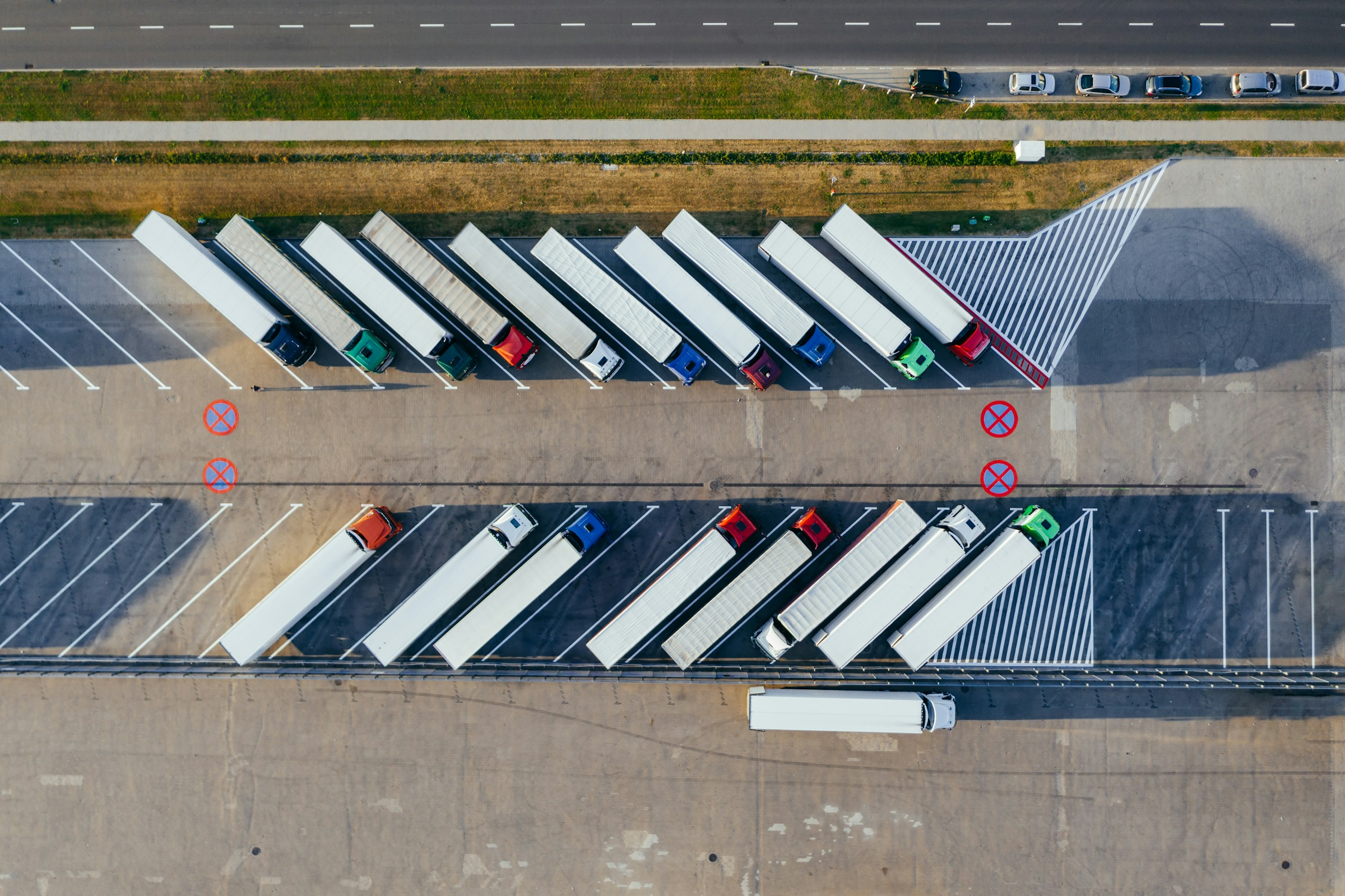
A constrained berth can consequently influence activity far beyond the port boundary. Ships waiting outside the harbour affect container availability, rail schedules, truck collections, warehouse receipts, and subsequent export loads, while repeated delay can influence a carrier’s assessment of a port within a wider regional rotation.
The final fast-track decision remains the next regulatory milestone. Conditions may still change before it is issued, but the discussion around Stella Passage is becoming increasingly physical: several hundred metres of new berth, deeper water, more cranes, and the inland capacity required to deal with what those assets bring ashore.