IN Brief:
- YONEX has commissioned advasolutions to automate storage and order picking at its Willich European logistics centre.
- Up to 41 shuttles will operate across 1,922 metres of shelving, with three picking stations and one infeed station.
- Installation starts in April 2027 and automated operation is planned from August while the existing warehouse remains active.
YONEX is preparing to automate storage and order picking at its European logistics centre in Willich, Germany, using a modular shuttle system installed inside the existing warehouse. The sporting-goods manufacturer awarded the project to advasolutions in August 2026, with installation scheduled to begin in April 2027 and automated operation planned from August.
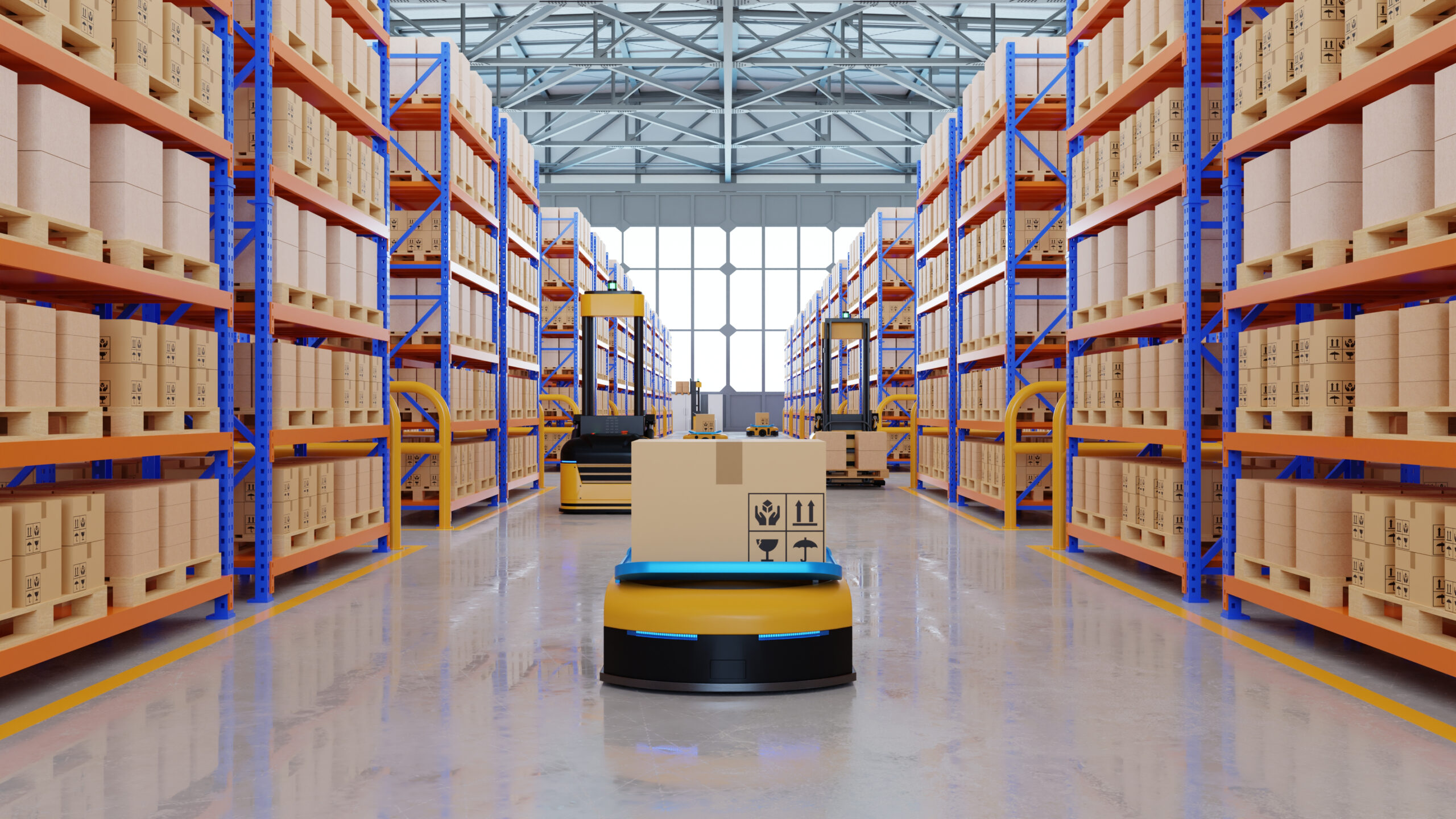
The system will use up to 41 advaShuttles across as much as 1,922 metres of shelving, connected to up to three picking stations and one infeed station. Storage and retrieval will be coordinated through the supplier’s software environment, with inventory data captured from goods receipt and represented digitally as stock moves through the installation.
Willich handles a varied product mix including shuttlecocks, rackets, strings, footwear, bags, apparel, and other sporting goods. Those items differ substantially in dimensions, weight, packaging, and turnover, making a rigid storage format less useful than one able to accommodate different load profiles. YONEX is also dealing with increasing order volumes and later ordering patterns that leave less time between customer demand and despatch.
The project addresses part of that pressure by bringing stock to picking stations rather than requiring employees to walk repeatedly through storage aisles. Automated storage and retrieval can reduce travel time and allow inventory locations to be allocated dynamically, while real-time system updates reduce the lag between a physical movement and its appearance in warehouse records.
The gains depend heavily on how the new technology connects with receiving, packing, despatch, and existing business systems. A shuttle installation can move products quickly inside its own storage structure but still lose time if replenishment, order release, packaging, or carrier hand-offs cannot keep pace. The software and interface work is therefore as important as the physical number of robots deployed.
Advasolutions is using modularity as a central part of the design. The architecture combines autonomous shuttles, its advaRack structure, adjustable storage levels, and warehouse execution software in a configuration that can be expanded as demand grows. For YONEX, that allows the first installation to be sized around current and expected throughput rather than constructing a fixed system around a distant peak forecast.
Incremental expansion still requires spare building and systems capacity. More shuttles can increase storage and retrieval activity only while picking stations, infeed points, software, battery charging, maintenance areas, and downstream packing can absorb the additional movement. Modularity reduces the need for a single large investment, but it does not remove the requirement to plan where the next constraint will appear.
The April-to-August installation programme will put the retrofit approach under practical scrutiny because goods receipt and despatch are intended to continue while the system is being installed. Work zones, temporary storage, existing picker routes, commissioning activity, and daily stock movements will have to coexist. Brownfield automation projects can lose a substantial part of their eventual productivity gain if temporary disruption is not controlled during installation.
The supplier says the underlying shuttle technology has achieved 99% technical availability in its associated operational environment since 2023. That figure relates to an existing advasolutions deployment rather than the future YONEX installation and does not guarantee equivalent performance at Willich. Product mix, building geometry, interfaces, maintenance practice, and daily operating patterns will determine the actual availability once the new system enters service.
The YONEX contract also reflects wider interest in automating existing warehouses rather than relying solely on new distribution buildings. Retrofit projects can avoid the cost and lead time of finding land and developing a replacement facility, but the trade-off is tighter physical constraints and more complicated implementation. Ceiling height, column spacing, floor condition, fire protection, access routes, and existing utilities can all influence which automation architecture is practical.
YONEX’s first hard performance point arrives in August 2027. By then, the Willich warehouse must be able to move a diverse inventory through fewer manual travel steps while maintaining accurate stock data and normal despatch performance. Forty-one shuttles and nearly two kilometres of shelving provide the physical capacity; installing them inside a live distribution operation is the more demanding part of the project.