IN Brief:
- Box-on-Wheels is an autonomous electric logistics proof of concept being validated initially in Europe.
- Stellantis Pro One is combining its fleet expertise with UQI Robotics’ AI, robotics and autonomous-driving technology.
- Validation will assess operating performance, customer value and scalability before any wider deployment decision.
Stellantis Pro One is presenting its Box-on-Wheels autonomous logistics concept at IAA Transportation in Hanover as it begins a European validation programme with UQI Robotics.
The programme combines Stellantis’s commercial-vehicle and fleet operations experience with UQI’s artificial intelligence, robotics and autonomous-driving technology. Development will initially focus on Europe, with other markets to be considered later, while the partners examine how autonomous vehicles can be integrated with electric propulsion, fleet connectivity and supporting logistics services.
Box-on-Wheels remains a proof of concept rather than a commercially available delivery vehicle. Stellantis has not announced a production timetable, fleet customer, deployment volume or sales date. The European programme is intended to establish whether the technology can provide sufficient operating performance and customer value to justify a scalable product or service.
UQI brings an existing autonomous logistics base to the programme. The company, a joint venture established by UBTECH and Miracle Automation, says more than 7,000 of its robots have been deployed across 66 cities and regions, with cumulative contract value exceeding €260 million. Stellantis is using that experience while assessing the additional demands of European commercial-vehicle operations.
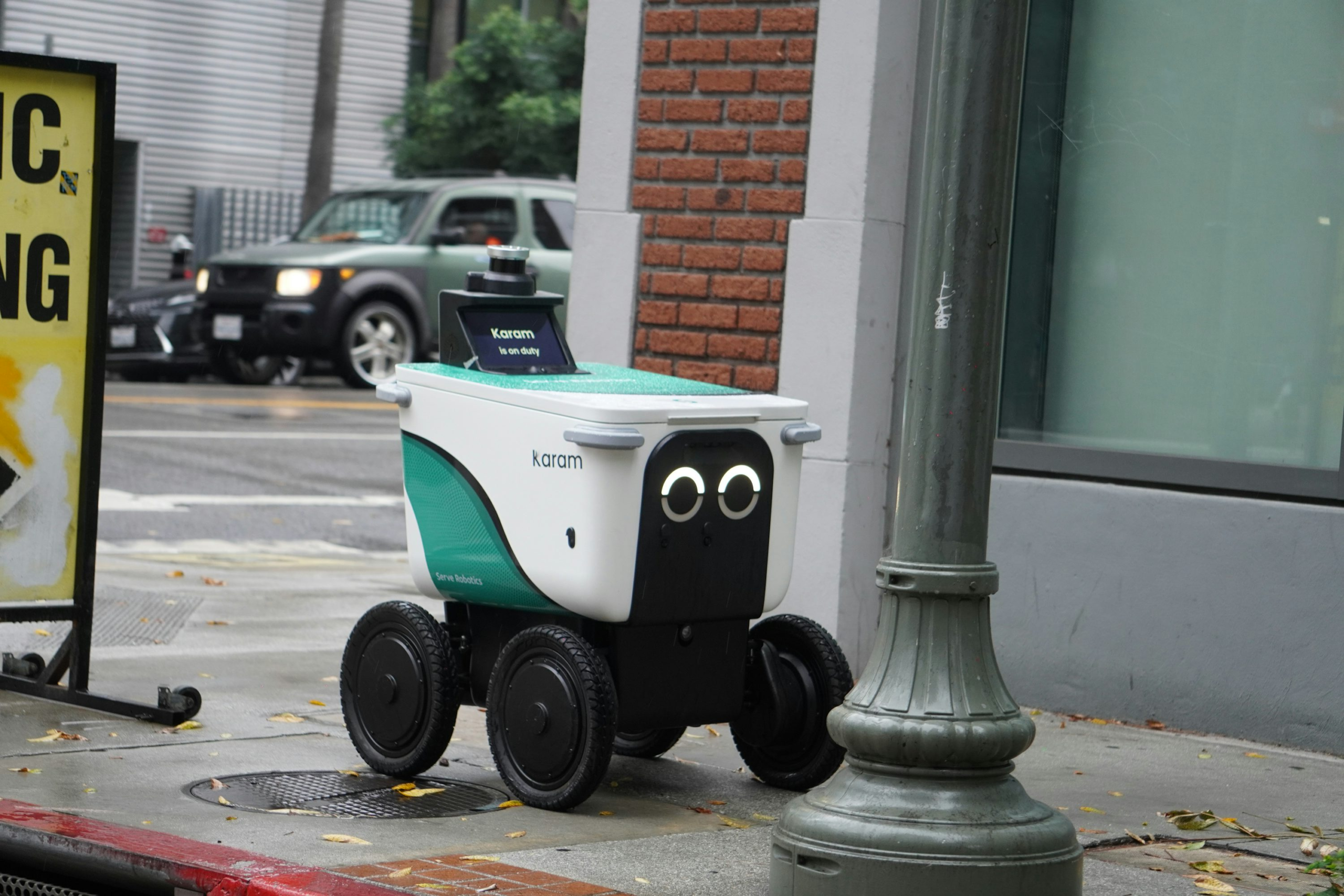
Moving from controlled industrial deployments to public-road logistics adds a different set of constraints. An autonomous delivery platform can encounter parked vehicles, roadworks, pedestrians, mixed traffic, restricted access, changing weather and locations where loading space is unavailable. Each exception either has to be handled by the vehicle or passed to a remote operator without undermining the economics of removing a driver from the cab.
Stellantis intends to develop the surrounding fleet framework alongside the vehicle. Connectivity, maintenance, fleet integration and commercial services are part of the programme because logistics operators buy usable capacity rather than autonomy in isolation. A vehicle that navigates successfully but requires frequent remote intervention or specialist support will struggle to deliver a sustainable cost advantage.
Electric propulsion creates another operational dependency. Autonomous vehicles are not constrained by driver hours in the same way as conventional delivery fleets, but their useful operating time is limited by battery capacity, charging speed and maintenance. Routing software therefore has to include battery state and charger availability when deciding which jobs a vehicle can accept.
Urban last-mile work can be well suited to electric drivetrains because speeds are relatively low and regenerative braking can recover energy during repeated stopping. Auxiliary loads, heating, cooling and long daily duty cycles still affect range, while a vehicle that spends time waiting for access or a handover continues to consume part of its operating window.
Loading arrangements will influence productivity just as strongly. A box-shaped autonomous platform can maximise cargo volume within a compact footprint, but that advantage is reduced if goods have to be loaded or sorted manually at every stop. Standardised cages, containers or pre-sequenced loads could shorten dwell time and make a driverless operating model more practical.
European regulation will form a substantial part of the validation work. Vehicle approval, road rules, insurance, cybersecurity and data requirements vary across jurisdictions, while local authorities can impose additional restrictions on delivery operations. A system intended for several European markets needs a compliance model that can operate across borders without every deployment becoming a bespoke engineering project.
Stellantis already has a commercial-vehicle customer base and dealer network through which future autonomous services could be supported. That gives the company a route into fleets already buying vans, finance, maintenance and connected services, but it also creates expectations around uptime and service coverage that a new autonomous platform will have to meet.
The commercial model remains open. Operators could eventually buy an autonomous vehicle outright, lease it in the same way as a van or consume the capability as a managed service. The most suitable structure will depend on equipment utilisation, remote-support requirements and whether customers want responsibility for maintaining the autonomous-driving system themselves.
Early use is likely to favour defined, repetitive routes where the operating environment can be controlled more tightly. Depot-to-store movements, industrial campuses, closed logistics sites and urban consolidation networks provide clearer handover points than unrestricted residential delivery, while still allowing the technology to be tested against real schedules and payload requirements.
The validation programme will need to generate operating data rather than demonstration mileage. Intervention frequency, vehicle uptime, charging requirements, payload utilisation, loading time and cost per completed movement will indicate whether the concept can compete with a staffed vehicle or other forms of last-mile automation.
The Hanover presentation brings the project into public view, but the decisive stage begins after the exhibition. Until Stellantis and UQI publish evidence from live European validation and establish a deployment timetable, Box-on-Wheels remains a development programme whose commercial value has still to be demonstrated.