IN Brief:
- Domino is applying QR codes powered by GS1 across its global products and consumables.
- Scanning provides access to technical specifications, safety data sheets, certifications, and reordering information.
- Implementation required product-data standardisation, systems changes, process adaptation, training, and long-term governance.
Domino Printing Sciences has implemented QR codes powered by GS1 across its global product and consumables portfolio, putting its own manufacturing and information systems through the same 2D-code transition it is helping customers prepare for.
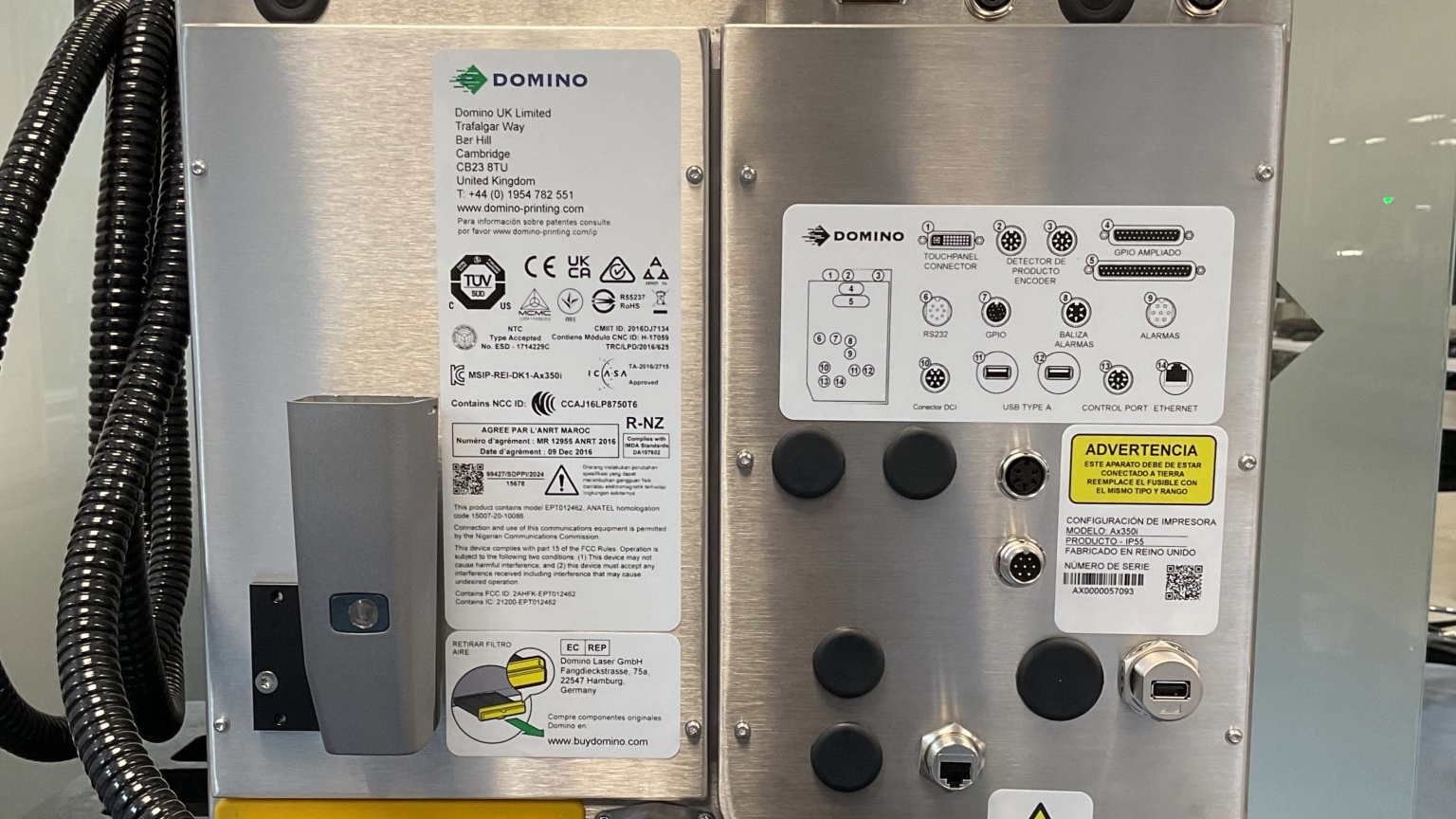
Products and consumables produced under the rollout will carry a QR code capable of linking users to technical specifications, safety data sheets, certifications, and reordering information through a single scan. Domino says the approach also supports improved traceability while reducing the requirement for several separate pieces of information on the physical product.
The visible code formed only one part of the implementation. Product data had to be reviewed and standardised, systems updated to support GS1 Digital Link, internal processes changed, and teams trained to manage the new structure over time.
That work gives the project a different supply-chain relevance from another coding-equipment launch. Domino normally supplies the technology used by manufacturers to mark products and packaging; in this programme it became the implementing manufacturer and had to deal directly with data ownership, integration, maintenance, and governance.
GS1 Digital Link allows standard product identifiers to be incorporated into web-enabled 2D codes and connected with digital information. The physical identifier can consequently act as a route into several records without requiring every piece of supporting information to be permanently printed alongside it.
For a manufacturer, the advantage is partly flexibility. Technical documentation, safety information, certification, and product-specific content can be reached through the identifier while the linked information is maintained digitally.
That flexibility creates a longer-term systems obligation. A printed conventional barcode remains essentially static once it leaves the line, while a Digital Link implementation depends on the resolver, product records, ownership rules, and web destinations continuing to work after the physical product has left the factory.
Domino’s case study confirms that the company developed a GS1 Digital Link resolver as part of the programme, allowing scans to connect with product-specific information. The resolver becomes part of the product-information infrastructure rather than a temporary campaign page attached to a general QR code.
Data consistency is therefore fundamental. A production line can print a technically perfect code and still create a poor result if the identifier links to the wrong item, duplicate records exist, or the destination information has not been maintained.
The global nature of Domino’s operation increases that challenge. The company employs more than 3,000 people, sells into more than 120 countries, and operates manufacturing facilities in China, Germany, India, Sweden, Switzerland, the UK, and the US.
Applying a common identification structure across that footprint requires more than purchasing compatible printers. Product masters, documentation, internal ownership, and operational processes have to remain consistent enough for the identifier to mean the same thing wherever the item was manufactured.
The reordering function provides one practical example. A customer scanning a Domino consumable can reach information associated with the exact product rather than relying on a separate catalogue search, potentially reducing errors where several visually similar items or part numbers exist.
Safety data and certification information address another supply-chain requirement. Technical, procurement, and operational teams may need access to those documents after the product has been delivered, meaning the digital record has to remain available and accurate beyond the shipping event itself.
Traceability can extend the model further when identifiers are connected with batch, shipment, or transactional information elsewhere in the supply chain. A 2D code does not create that visibility automatically, but it provides a standardised identifier around which those additional records can be organised.
Physical code quality still remains relevant. QR codes have to remain readable at production speed and across the surfaces, materials, contrast levels, and environments in which they are applied. The shift towards richer digital information therefore adds data requirements without removing the traditional printing and verification problem.
Domino’s internal project connects the two. It had to ensure the code could be applied reliably while building the product-data and systems structure that gives a successful scan something useful to retrieve.
The programme also gives Domino first-hand implementation experience as a GS1 UK Approved partner. Its customer guidance can now draw on issues encountered inside its own business, including data preparation, systems integration, governance, and maintenance rather than concentrating solely on the equipment required to print the symbol.
The primary announcement was published on 14 September, making this a supplied addition to the current IN Supply run rather than a story discovered inside the 15 September primary scan. Its operational relevance remains unchanged: the company has moved from advising manufacturers about GS1-powered QR codes to operating them across its own portfolio.
For other manufacturers, the more useful lesson sits behind the label. Printing a QR code can happen in fractions of a second; agreeing the product data, maintaining the resolver, assigning responsibilities, and keeping the linked information accurate is the larger implementation job.