IN Brief:
- North Carolina Railroad Company will contribute up to $250,000 towards a new rail spur.
- Atlantic Packaging plans to invest more than $5 million and create 16 full-time jobs.
- The expanded facility is expected to receive and distribute at least 480 railcars annually.
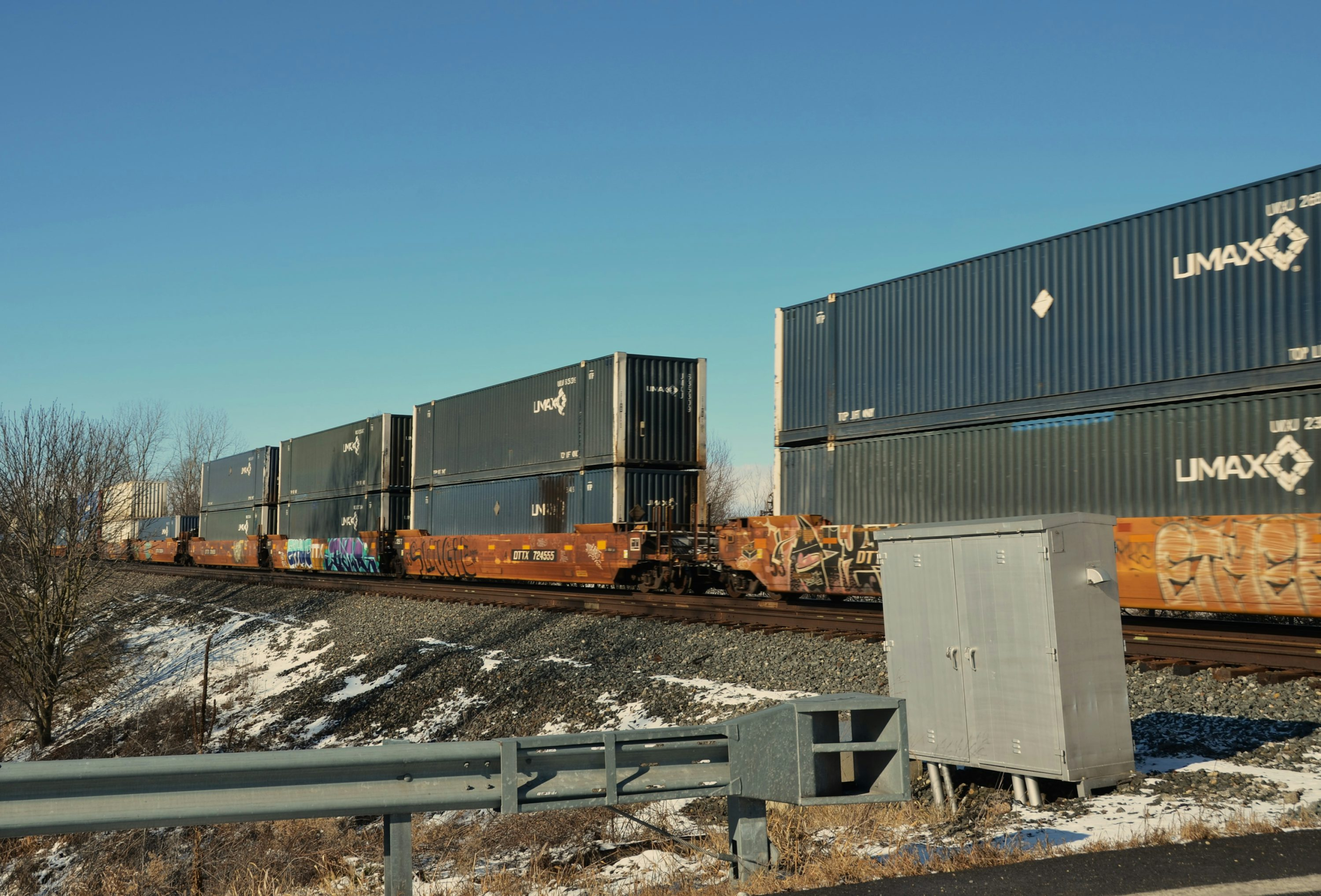
Atlantic Packaging is adding a rail spur to a recently acquired warehouse in Tabor City, North Carolina, as part of an expansion expected to handle at least 480 railcars annually and increase the packaging company’s raw-material capacity.
North Carolina Railroad Company will invest up to $250,000 towards construction of the connection through its NCRR Invests programme. Atlantic Packaging plans to commit more than $5 million to the wider project and create 16 full-time jobs, while the warehouse will become its sixth facility in Tabor City.
The new spur will connect the property directly with the freight rail network, allowing Atlantic to receive paper and other raw materials by rail. The company already imports material using the mode, so the project extends an established inbound supply pattern into a larger warehouse footprint rather than introducing rail to the business for the first time.
Paper and board are well suited to rail where sufficient volume can be concentrated around a fixed industrial site. Individual loads are heavy, replenishment can often be planned in larger batches, and the underlying material does not require the same fragmented delivery pattern associated with finished parcels or small consumer orders.
The expected 480 railcars each year gives the expansion a useful operating benchmark. Spread evenly, that would represent roughly nine cars a week, although actual deliveries will follow supplier schedules, production requirements, inventory positions, and available rail service rather than a simple weekly average.
Direct rail access also changes the role of the warehouse. Larger inbound lots can be brought closer to the converting and distribution operation without first transferring the material onto road vehicles for the final approach to the facility. That can reduce an intermediate handling step, although the warehouse still has to provide enough unloading, storage, and labour capacity to absorb rail-sized deliveries efficiently.
Rail does not remove the need for trucks elsewhere in the network. Finished packaging still has to reach customer sites, and raw materials may require road movements at other stages depending on supplier location and route. The spur instead adds another transport option for the bulk inbound leg where the economics and volume favour rail.
That distinction is important in industrial logistics because warehouse expansion and transport capacity have to be planned together. Additional floor space can accommodate more inventory, but higher stock levels still depend on a reliable way of bringing materials into the building without overloading yard, dock, or road access.
Atlantic Packaging serves customers across sectors including food and beverage and distributes to more than 35 locations in the United States and internationally. The company combines packaging materials with converting, printing, machinery, and technical services, leaving its inbound material network closely tied to manufacturing and customer-production requirements.
Packaging supply chains can appear relatively simple once a box, sheet, or label reaches the customer, but the upstream operation involves large volumes of paper, board, films, adhesives, and other materials moving through converting and printing processes before finished packaging can be supplied.
A disruption in those inbound flows can therefore affect customer production beyond Atlantic’s own facilities. Reliable access to raw material is particularly important where packaging specifications are customer-specific and replacement supply cannot be sourced immediately from another warehouse.
The Tabor City spur gives Atlantic another route for managing that risk, provided sufficient recurring volume remains available to justify the fixed infrastructure. A rail connection requires switching arrangements, track maintenance, unloading capability, and coordination with the wider freight network, so its economics depend on regular use rather than occasional deliveries.
North Carolina Railroad Company’s contribution lowers part of the infrastructure cost. NCRR manages 317 miles of rail corridor and uses private revenue through its investment programme to support industrial development and expansion projects requiring rail access.
The Tabor City project fits that model closely because the user is already established locally. Atlantic has operated in the community for decades, and the new warehouse will become its sixth site there, meaning the spur is supporting an existing industrial cluster rather than speculative capacity awaiting a future tenant.
The 16 additional jobs are one measure of the investment, but freight volume will provide the clearer indication of how much the project changes Atlantic’s supply chain. At least 480 railcars a year would represent a sustained raw-material flow into the expanded warehouse and a meaningful addition to the site’s inbound transport capability.
Once operational, the rail spur will link physical warehouse growth with the transport capacity needed to supply it. For Atlantic, the value is not simply another siding beside another building; it is the ability to bring bulk production materials directly into a larger Tabor City operating footprint with fewer intermediate movements.